
Shrubs
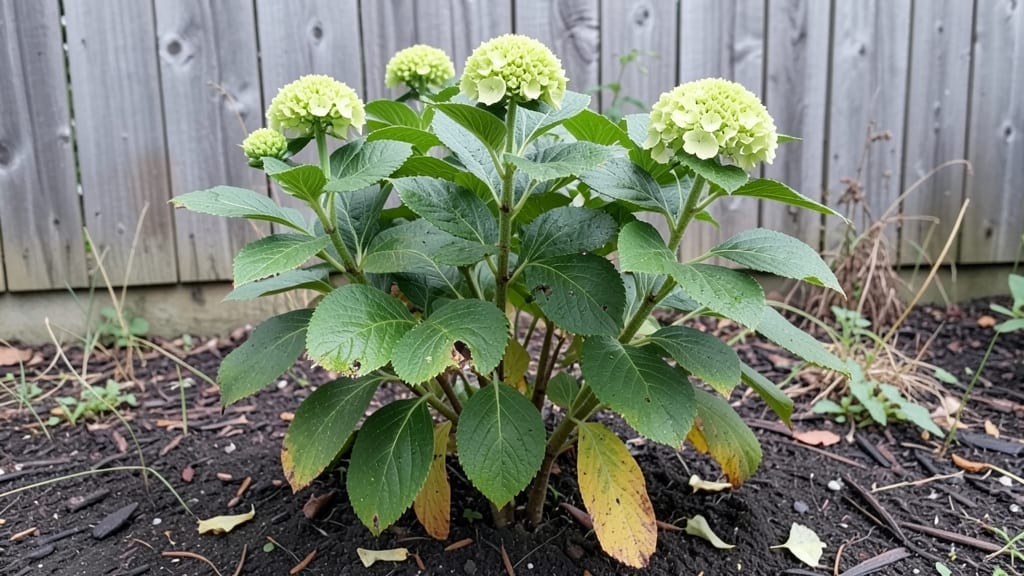
Mastering white flowering shrub identification is the first step to crafting a garden that blooms like an endless wedding bouquet all season long. I still remember the first time I spotted a snow-covered abelia blooming in my neighbor’s yard—it was like finding a hidden treasure in the landscape.
These shrubs aren’t just pretty; they’re the backbone of high-contrast designs, drawing the eye with their crisp petals against dark foliage or bold greens.
The top 10 varieties cover every need—from fragrant lilacs that perfume the air in spring to hydrangeas that change color with the soil pH. Some, like mock orange, bloom just once but put on a show that lasts weeks, while others, like daphne, offer fleeting but intense fragrance.
Most thrive in full sun, but a few, like pieris, handle shade beautifully. The key is matching their habits to your space: borders, hedges, or standalone focal points.
What you’ll get is a garden that stays interesting through every season. White blooms create drama against deep purples, blues, and greens, while their nectar draws pollinators like bees and butterflies.
And the best part? Many of these shrubs are low-maintenance once established—just prune at the right time, and they’ll reward you with years of effortless beauty.
Whether you’re filling a sunny border, softening a fence line, or adding height to a mixed bed, these shrubs deliver textural contrast and seasonal structure. Let’s dive into the details so you can pick the perfect one for your vision.
Understanding Flower Color Shifts
If you’ve ever spotted a white-blossoming shrub in your garden or while strolling through a park and wondered why some plants display this pristine hue, the answer lies in a fascinating mix of genetics, environmental cues, and evolutionary adaptations.
White flowers aren’t just a random aesthetic choice—they’re often the result of deliberate biological strategies. Below, we break down the key reasons behind these luminous blooms, so you can appreciate (and even encourage!) their appearance in your landscape.
At the core of white flowering shrubs is their genetic makeup. Many plants inherit genes that suppress the production of pigments like anthocyanins (which create red/purple hues) or flavonoids (yellow/orange tones). Here’s how it works:
- Albinism in Flowers: Some shrubs carry recessive genes that prevent pigment formation entirely, resulting in pure white flowers. Think of it like a plant’s version of albinism—just without the sunlight sensitivity! 🌸
- Hybridization: Breeders often cross-pollinate shrubs to create white varieties. For example, the Hydrangea macrophylla (bigleaf hydrangea) can produce white blooms when specific genetic combinations are achieved.
- Gene Mutations: Random mutations can also lead to white flowers. While this might seem rare, it’s a natural part of plant evolution—like nature’s way of experimenting with new designs!
Actionable Tip: If you’re growing from seed, select shrubs with a history of white blooms to increase your chances of propagating the trait. 🌱
Believe it or not, your shrub’s surroundings can influence whether it blooms white. Two major environmental factors play a role:
| Factor | How It Affects Flower Color | Examples |
|---|---|---|
| 💡 Light Exposure | Some shrubs, like the Deutzia or Pieris, produce white flowers when grown in full sun. In shade, they may develop faint greenish or pinkish tinges due to reduced pigment production. | White Abelia blooms brighten in sunny spots but may dull in partial shade. |
| 🌡️ Temperature and Stress | Extreme heat or drought can stress the plant, causing it to revert to a "default" white bloom as a survival mechanism. This is common in Spiraea or Weigela varieties. | Overwatered Hydrangeas may produce blue/purple flowers, but drought-stressed ones can turn snowy white. |
Pro Tip: If your white-flowering shrub is losing its vibrancy, check its light conditions and watering routine. A little adjustment could bring back that dazzling white! 💧☀️
Nature isn’t just about beauty—it’s about survival. White flowers often serve as a pollinator magnet, especially in low-light or nighttime conditions. Here’s why:
- Ultraviolet Reflectors: While white flowers appear pristine to us, they often reflect ultraviolet (UV) light invisibly to bees and butterflies. These pollinators see UV patterns as "nectar maps," guiding them straight to the flower’s center. 🐝🔦
- Night-Blooming Adaptations: Shrubs like Cestrum nocturnum (night-blooming jessamine) release fragrance and glow under moonlight to attract moths—another reason white dominates in nocturnal bloomers.
- Contrast in Monochromatic Landscapes: In areas with sandy soil or limited plant diversity, white flowers provide a high-contrast visual signal, making them easier for pollinators to spot from a distance.
Fun Fact: Some white flowers even have greenish streaks (visible in UV light) that act as "landing guides" for insects—talk about a sneaky survival hack! 🎯
Humans have played a huge role in popularizing white-flowering shrubs through selective breeding. Gardeners and horticulturists have long favored white varieties for their:
- Versatility: White blooms pair beautifully with any color scheme, making them a designer’s dream for weddings, weddings, and modern landscapes. 💍
- Long-Lasting Appeal: Unlike pastel or dark flowers, white shrubs often retain their color longer, even after drying.
- Symbolism: In many cultures, white represents purity, peace, or new beginnings—traits that make these shrubs popular for ceremonial plantings.
Actionable Idea: If you’re looking to add a white-flowering shrub to your garden, consider varieties like Syringa meyeri ‘Palibin’ (dwarf lilac) or Viburnum bodnantense ‘Dawn’, both prized for their consistent white blooms and cold hardiness. ❄️🌸
Quick Fixes for Shrub ID Confusion
Identifying white flowering shrubs can feel like solving a puzzle when their blooms look eerily similar at first glance. But with the right approach, you can narrow down the options like a pro.
Below are targeted solutions for common challenges—whether you're dealing with leaf shape confusion, seasonal blooming mix-ups, or lack of key details—plus tips to prevent future guesswork.
If your shrub’s leaves are broad, glossy, and green but you’re unsure whether it’s a Deutzia, Pieris, or Abelia, focus on these leaf texture and arrangement clues:
- 🍃 Check the edges: Pieris often has finely serrated (saw-toothed) edges, while Abelia leaves are smooth and slightly leathery.
- 🌿 Observe the stem: Deutzia leaves grow in opposite pairs along the stem, whereas Pieris leaves alternate.
- 🌡️ Smell test: Crush a leaf—Pieris (like Pieris japonica) may release a faint spicy or citrusy aroma, a dead giveaway.
Prevention tip: 💡 Snap a photo of the leaf underside and stem attachment—these details are often overlooked but critical for ID.
White flowers in spring, summer, or fall? Don’t panic—most shrubs bloom at predictable times. Use this seasonal flowchart to eliminate options:
| Season | Likely Suspects | Key Differentiator |
|---|---|---|
| Early Spring (March–April) | Viburnum, Pieris, Forsythia (yellow but often paired with white) | 🌸 Pieris has bell-shaped flowers; Viburnum clusters are fluffy and highly fragrant. |
| Late Spring/Early Summer (May–June) | Deutzia, Weigela, Spiraea | 🔥 Deutzia blooms in pyramidal clusters; Weigela has trumpet-shaped flowers. |
| Summer/Fall (July–October) | Abelia, Hydrangea (some varieties), Cleyera | 🍃 Abelia flowers are tubular and slightly fragrant; Cleyera has leathery, oval leaves. |
Prevention tip: ✨ Track your shrub’s blooming start and end dates—this narrows it down faster next time. Use a garden journal or app like Gardenate to log observations.
No flowers in bloom? No problem. Use these non-floral identifiers to reverse-engineer the ID:
- 🌿 Growth habit: - Upright and arching? Likely Deutzia or Weigela. - Mounding and dense?
Could be Abelia or Spiraea. - 🍂 Fruit/seeds: Viburnum produces berry-like drupes; Pieris has woody seed capsules. - 🌡️ Hardiness zone: Cross-reference your USDA zone with shrub ranges (e.g., Pieris thrives in zones 5–9).
Pro tip: 🔥 If all else fails, dig a sample (gently!) and check the root structure—taproots suggest Cleyera, while fibrous roots are common in Hydrangea.
Still stumped? Upload a photo to plant ID forums like r/whatsthisplant or use apps like PlantNet. Include leaf, flower (if any), and stem shots for the best results.
Frequently asked questions
How can I tell if my white-flowering shrub is a hydrangea or abelia?
Check the leaf shape and flower structure: Hydrangeas have large, rounded clusters with flat or mophead blooms, while abelia features smaller, tubular flowers in arching clusters. Abelia leaves are also narrower and smoother than hydrangea’s broader, serrated foliage. For extra certainty, examine the stems—hydrangeas often have hairy nodes.
Why does my white-flowering shrub have pink tinges sometimes?
Pink hues often appear due to light exposure or temperature changes. Shrubs like deutzia or pieris may develop pinkish tones in partial shade or cooler weather. If the pink persists, it could indicate a hybrid variety—some white-flowering plants naturally blend colors based on environmental conditions.
Can I grow white-flowering shrubs in containers?
Compact varieties like dwarf lilac (Syringa meyeri) or miniature hydrangeas thrive in containers. Use well-draining soil and a pot at least 12 inches wide with drainage holes. Remember to prune regularly to maintain shape, and move containers to sunnier spots in winter if you’re in a colder climate.
What’s the best time to prune white-flowering shrubs?
Timing depends on the variety: Prune spring bloomers (like lilac) right after flowering, while summer/fall bloomers (like abelia) should be pruned in late winter or early spring. Avoid heavy pruning in fall—it can stimulate tender new growth that won’t survive winter. Always use clean, sharp tools to prevent disease.
How do I attract more pollinators to my white-flowering shrubs?
Plant them near native companion plants like lavender or bee balm, which provide extra nectar. White flowers naturally reflect UV light, making them visible to bees—just ensure your shrubs are healthy and blooming vigorously. Avoid pesticides, and consider adding a shallow water source (like a birdbath) nearby to support pollinator health.