
Pruning
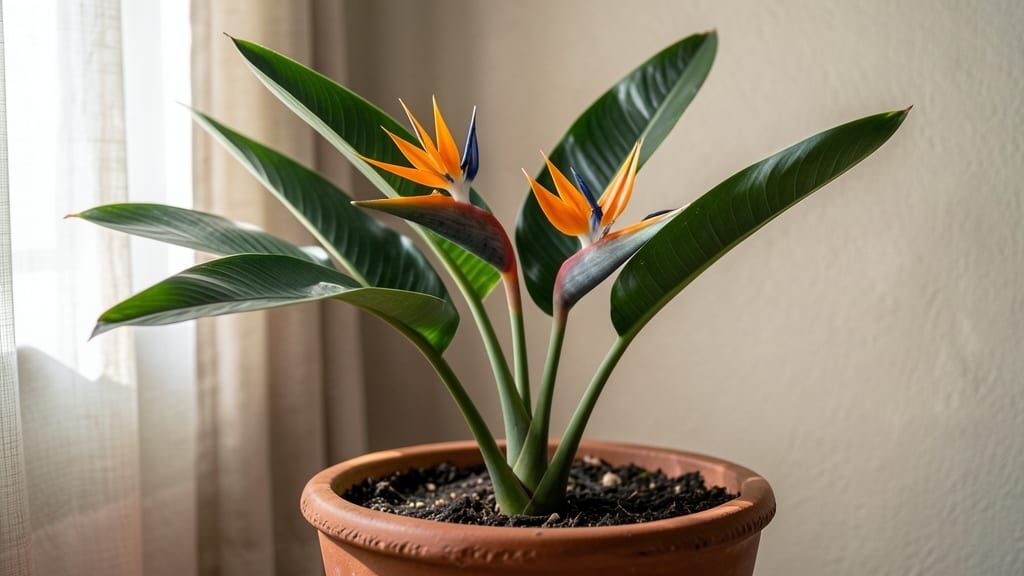
Pruning your desert bird of paradise shrub transforms it from a scraggly mess into a year-round fountain of vibrant orange blooms. 🌿 I’ve learned that three strategic cuts—timed just right—keep this drought-loving beauty compact and prolific, even in the harshest desert sun.
The key? Pruning when new growth appears, not just after flowers fade.
You’ll need sharp bypass pruners, a pair of gloves, and a clear morning to work—this shrub blooms best when you trim 1/3 of the oldest stems back to the ground each year.
The result? A bush that stays bushy, with fresh flowers appearing within 6-8 weeks of each cut. No fancy tools required, just patience and a light touch.
What you’ll end up with is a shrub that looks like it belongs in a botanical garden, not just your backyard. The bright orange flowers contrast beautifully against its silvery-green foliage, and the pruning process actually encourages more blooms.
The best part? It thrives on neglect—once established, it barely needs water.
This method works for both young plants and mature shrubs, whether you’re shaping a new specimen or reviving an overgrown one. The secret is consistency—stick to the three-cut schedule, and you’ll have a desert bird of paradise that blooms nonstop from spring through fall. Ready to give it a try?
📚 In This Guide
- What you need
- Instructions
- Tips and common mistakes
- Wrapping up and next steps
What you need
- ● Pruning shears: Bypass pruners (sharp, 6-8" blades) for clean cuts on small stems.
- ● Loppers: Bypass or anvil type (for thicker branches, 12-18" blades).
- ● Hand pruners: For precision trimming (smaller stems, 4-6" blades).
- ● Gloves: Garden gloves (cut-resistant, size medium/large).
- ● Disinfectant: 70% isopropyl alcohol or bleach solution (1 part bleach to 9 parts water).
- ● Rag or paper towels: For wiping tools between cuts.
- ○ Pruning sealant: (Optional but helpful) Tree wound pruning paste (for large cuts > ½ inch).
- ● Garden twine or zip ties: To secure branches during shaping.
- ● Wheelbarrow or bucket: For collecting pruned debris (5-gallon capacity recommended).
- ● Hose with nozzle: To clean tools and rinse debris.
- ● Safety glasses: Protect your eyes from debris.
- ● Long-sleeve shirt/pants: For sun/prickly branch protection.
- ● Knee pads: If your shrub is ground-level or you kneel often.
- ● String trimmer or hedge shears: For thick, dense foliage (if your shrub is overgrown).
- ● Camera or phone: Snap before/after pics to track progress!
How to prune desert bird of paradise for continuous blooms
This is the pruning schedule that keeps my desert bird of paradise flowering nonstop—no dead wood, no guesswork.
✂️ Step 1: Deadhead Spent Blooms After Each Flowering Cycle
Bird of paradise blooms last about 3-4 weeks before the flowers turn brown and crispy. That's your cue to cut them back. Use sharp pruning shears to snip the entire flower stalk at the base where it meets the stem. I like to make clean cuts at a 45-degree angle just above a leaf node—this prevents water from pooling and causing rot.
Here's the thing—don't wait until the flowers are completely dead. When you see half the blooms wilting, grab your shears. This keeps the plant focused on producing new flowers instead of wasting energy maintaining dead ones. I do this every 2-3 weeks during peak bloom season (spring through fall).
🌿 Step 2: Light Structural Pruning in Early Spring
Once spring warms up and new growth starts (usually when daytime temps hit 65°F consistently), it's time for your annual shaping cut. Focus on removing crossing branches—these rub together as they grow and create wounds where disease can enter. Also trim back any branches that grow straight up instead of outward, as these rarely produce flowers and make the plant look leggy.
Cut just above a leaf node where new growth is visible. Never trim more than 1/3 of the plant's total height in one season—this keeps the shrub healthy and encourages bushier growth. I like to step back and look at the plant from all sides before making cuts. The goal is to maintain that natural, slightly rounded shape while opening up the center for better airflow.
✂️ Step 3: Renewal Pruning After Major Flowering Seasons
After your plant's biggest bloom cycles (usually late summer or early fall), give it a rejuvenation cut. This is where you remove older, woodier stems that have stopped producing flowers. Look for branches that are thicker than a pencil and have lost most of their leaves. Cut these back to ground level—don't worry, the plant will send up fresh, flowering stems from the base.
This might seem drastic, but it's what keeps desert bird of paradise thriving for decades. I do this once a year after the last major bloom cycle. The first year you do it, you might see fewer flowers, but by the second year, you'll have vibrant new growth producing even more blooms. Just be patient—this is how you prevent the plant from becoming overgrown and woody.
🌱 Step 4: Winter Maintenance for Cold Climates
If you're in USDA zones 8-9 (where temps dip below 30°F), wait until late winter (just before new growth starts) for your final pruning of the year. Focus on removing any frost-damaged branches—these will be brown, crispy, and dead to the touch. Cut these back to healthy green wood. Also trim any branches that grew too vigorously last season and now look out of place.
This is also when I give my plant a light shaping touch-up to prepare for spring. Just a few minutes with the shears keeps the plant looking tidy without stressing it before the growing season begins. In warmer climates (zones 10+), you can skip this step entirely—your plant will keep blooming year-round with just the first three cuts.
Tips & tricks for perfect desert bird of paradise pruning
Real talk: Pruning this shrub isn't just about cutting back—it's about creating a cycle of continuous blooms. Here's what nobody tells you about keeping your desert bird of paradise looking its best.
Timing is Everything: The 2-3 week interval for deadheading in Step 1 is crucial because that's when blooms start showing signs of fatigue—not when they're completely dead. Look for those telltale brown edges on the outer petals as your cue. I've learned this the hard way after watching plants waste energy on dying flowers instead of producing new ones.
The 65°F Rule: That temperature threshold in Step 2 isn't arbitrary—it's when your plant's metabolism kicks into high gear. Wait until you see fresh green growth appearing before you start your spring pruning. I always check daytime highs for three consecutive days before grabbing my shears. This timing ensures you're not pruning too early when the plant is still dormant.
Renewal Pruning Secrets: When you're doing your annual rejuvenation cut in Step 3, don't be afraid to get bold with those pencil-thick stems. The key is to cut all the way back to ground level—this might look drastic, but it's what triggers your plant to send up fresh, vigorous growth from the base. I've seen plants go from looking tired and overgrown to producing massive blooms just 6 months after this cut.
Winter Prep for Cold Climates: If you're in zones 8-9, that late winter touch-up is your insurance policy against winter damage. Focus on removing anything that looks crispy or shriveled—those branches won't recover. I always do this just before the last frost date in my area, which gives the plant a few weeks to heal before spring growth starts. For those in warmer zones, this step is completely optional since your plant will keep blooming year-round.
Pro Tips for Desert Bird Of Paradise Shrub
- Real talk: Pruning this shrub isn't just about cutting back—it's about creating a cycle of continuous blooms. Here's ...
- Timing is Everything: The 2-3 week interval for deadheading in Step 1 is crucial because that's when blooms start sho...
- The 65°F Rule: That temperature threshold in Step 2 isn't arbitrary—it's when your plant's metabolism kicks into high...
Frequently asked questions
Got questions about keeping your Caesalpinia pulcherrima (Desert Bird of Paradise) thriving with the right pruning? Here are some common ones—plus quick answers to keep those vibrant blooms coming!
When is the best time to prune my Desert Bird of Paradise shrub?
The ideal time is late winter or early spring (just before new growth starts). This gives your shrub time to recover before summer heat. For light shaping, you can also prune after blooming in summer—but avoid heavy cuts then. Pro tip: If you live in a mild climate, a light trim in fall can encourage winter blooms!
How much can I prune without harming the shrub?
You can safely remove up to 1/3 of the plant’s total growth in one session. Focus on dead, diseased, or crossing branches first. For shaping, aim for an open center to improve airflow and sunlight penetration. Never cut into old wood—new growth emerges from the tips of branches, so prune just above a leaf node or bud.
Why did my Desert Bird of Paradise stop blooming after pruning?
Over-pruning (especially cutting back into old wood) can reduce blooms. If this happens, prune lightly next time and fertilize with a low-phosphorus, high-potassium blend to encourage flowers. Also, ensure it gets 6+ hours of sunlight daily—partial shade can stunt blooming. Bonus: Deadheading spent flowers can prompt more blooms!
Can I prune my Desert Bird of Paradise in hot or cold weather?
Avoid pruning during heatwaves (above 90°F) or freezing temps (below 32°F). Heat stress slows recovery, while cold snaps can shock the plant. If you must prune in extreme conditions, do it early in the morning or late afternoon and water thoroughly before and after. Wait for mild, dry weather for best results!
What’s a good alternative if my shrub isn’t recovering after pruning?
If your Desert Bird of Paradise looks stressed (yellow leaves, no new growth), try these fixes:
- Check soil drainage—root rot is a common issue in heavy clay.
- Adjust watering: Deep water 1–2x/week (drought-tolerant but hates soggy roots).
- Fertilize lightly with compost or organic matter for nutrients.
- If all else fails, propagate from cuttings! Take 4–6” tips, dip in rooting hormone, and plant in well-draining soil.
Still stuck? Drop your question in the comments—we’re happy to help your Desert Bird of Paradise shine!
Wrapping up and next steps
The Desert Bird of Paradise shrub is a stunning desert gem that rewards your care with vibrant blooms year-round—when you know the right cuts to make! 🌵✨ By mastering its three key pruning techniques—spring shaping, summer deadheading, and fall cleanup—you’ll keep it lush, healthy, and bursting with color while avoiding stress on the plant.
Remember, patience and precision pay off: this shrub thrives on consistency, not intensity.
Ready to transform your desert landscape? Grab your pruners and schedule your first trim this week—your Bird of Paradise is waiting for its glow-up! For extra confidence, bookmark this guide or snap a photo of your shrub before pruning to track its progress. Happy gardening!