
Shrubs
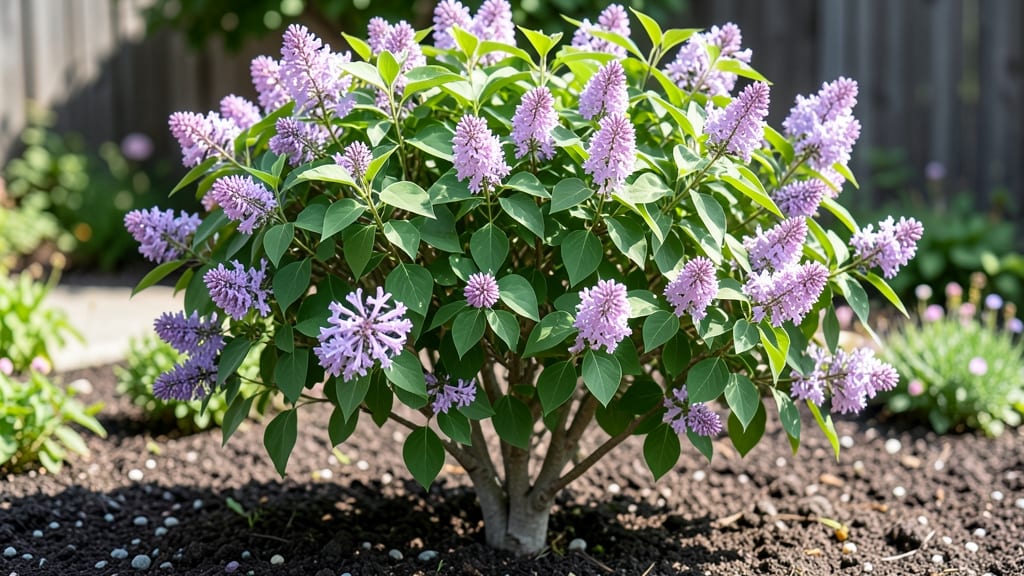
Growing Korean lilac shrubs (Syringa meyeri) means filling your garden with that intoxicating, sweet fragrance that lingers for weeks. 🌸 I've watched mine transform from a modest 3-foot shrub into a fragrant canopy that draws neighbors to the fence, all while requiring less fuss than most ornamental plants.
The secret lies in its hardiness—thriving in zones 3-8—and its adaptability to almost any well-draining soil. Unlike fussy lilacs, this one handles drought surprisingly well once established, though it rewards you best with consistent moisture during its first growing season.
Plant it where it gets 4-6 hours of sunlight daily, and you'll see those clusters of pale lavender blooms appear reliably every spring.
What makes it special is how it blooms on old and new wood, so even if you miss the first flush of flowers, a second (and sometimes third) wave appears later in the season. The foliage stays lush all summer, turning a soft golden-yellow in fall before dropping neatly.
Pruning is the key to keeping it compact and flowering prolifically—three seasons of shaping will keep it looking its best. Perfect for small gardens, foundation plantings, or even large containers. Once you've grown one, you'll want three—trust me, the fragrance alone is worth the effort.
📚 In This Guide
- What you need
- Instructions
- Tips and common mistakes
- Wrapping up and next steps
What you need
- ● Korean Lilac Shrub: 1–3 nursery-grown plants (3–5 ft tall, 1–2 years old) or
- ● Seeds (if starting from scratch—germination takes patience!)
- ● Soil: Well-draining, slightly acidic soil (pH 6.0–7.0)
- ● Compost or organic matter (2–3 gallons per planting hole)
- ● Fertilizer: Balanced 10-10-10 or slow-release granular fertilizer (1 cup per plant)
- ● Tools: Garden trowel or spade
- ● Pruning shears (sterilized!)
- ● Watering can or hose with a gentle spray nozzle
- ● Mulch (2–3 inches of pine bark or shredded leaves)
- ● Epsom salt (1 tbsp per gallon of water for magnesium boost)
- ● Pest control: Neem oil or insecticidal soap (for aphids/mites)
- ● Support stake (if planting in windy areas)
- ● Soil pH test kit (to fine-tune acidity)
Step-by-step instructions for planting and pruning Korean lilac shrubs
Here's how to establish a fragrant, low-maintenance Korean lilac that thrives for decades with just three seasonal pruning sessions.
🌱 Step 1: Plant in Well-Draining Soil with Full Sun Exposure
Choose a location with 6+ hours of direct sunlight and soil that drains quickly—Korean lilacs hate soggy roots. Amend heavy clay with 2-3 inches of compost mixed into the top 12 inches of soil. Dig a hole twice as wide as the root ball but only as deep—planting too deep suffocates the roots.
Gently remove the shrub from its container and loosen any circling roots with your fingers. Position it so the top of the root ball sits 1 inch above ground level—this prevents rot during heavy rains. Backfill with native soil, pressing lightly to eliminate air pockets, but don't compact it tightly.
Water deeply right after planting to settle the soil, then let the top 2 inches dry out before watering again. The first year is critical—consistent moisture helps roots establish, but don't let the soil stay soggy. You'll know it's right when leaves stay vibrant green without wilting.
☀️ Step 2: Provide Consistent Care Through the First Growing Season
Korean lilacs are drought-tolerant once established, but young plants need 1 inch of water weekly during dry spells. Water at the base in the morning so foliage dries quickly—wet leaves invite fungal diseases. Mulch with 2-3 inches of organic mulch (like shredded bark) to retain moisture and regulate soil temperature.
Fertilize lightly in early spring with a 10-10-10 balanced fertilizer spread around the drip line, not touching the trunk. Too much nitrogen encourages leafy growth at the expense of fragrant blooms. You'll see healthy new growth by mid-spring—this is your signal the plant is thriving.
Watch for powdery mildew on leaves, especially in humid climates. If you spot white powdery spots, prune affected branches immediately and apply a fungicide. Healthy Korean lilacs develop a dense canopy that naturally resists pests—this is why spacing plants 6-8 feet apart matters.
✂️ Step 3: Prune in Three Strategic Seasons for Maximum Blooms
First, prune immediately after flowering in late spring to shape the shrub and encourage next year's blooms. Remove any dead, crossing, or weak branches first—these compete with healthy growth. Then cut back last year's flower stems by one-third to promote bushier growth. Always make cuts just above an outward-facing bud.
In mid-summer, do a light pruning to open the center of the shrub for airflow. This prevents diseases and lets sunlight reach inner branches. Cut back any leggy growth that's stretching toward the light—you'll see new side shoots form within weeks. Avoid heavy pruning now; you want to preserve energy for fall.
Finally, in late winter (before buds swell), remove any dead or damaged wood. This is also the time to thin out crowded branches to improve air circulation. Korean lilacs bloom on old wood, so never prune back into last year's growth. After pruning, apply a fresh layer of mulch to protect roots from temperature swings.
🌿 Step 4: Maintain Through Maturity for Decades of Fragrance
Mature Korean lilacs need minimal care—just 1 inch of water every 7-10 days during dry periods and an annual application of balanced fertilizer in early spring. The real secret is pruning at the right times: after flowering, mid-summer, and late winter. This keeps the shrub compact, healthy, and blooming abundantly.
Watch for signs of stress: yellowing leaves often mean overwatering, while brown leaf edges signal underwatering. Korean lilacs are tough, but they'll reward you with intense fragrance and vibrant blooms for 30+ years if you stick to this care routine. The best part? Their scent intensifies in the evening—perfect for creating a fragrant outdoor living space.
Tips & tricks for perfect Korean lilac shrub care
These little-known strategies will help you cultivate a thriving Korean lilac that blooms beautifully for decades with minimal effort.
Soil Preparation Secret: Before planting, mix 2-3 inches of compost into the top 12 inches of soil to improve drainage—this is especially important if you have heavy clay. I learned this the hard way after watching a Korean lilac struggle in compacted soil. The roots need that air space to establish properly.
Watering Wisdom: The first year is all about balance—water deeply right after planting, then let the top 2 inches dry out before watering again. Overwatering is the #1 killer of young shrubs. I check moisture by sticking my finger in the soil; if it feels damp just below the surface, wait another day.
Pruning Precision: When you cut back last year's flower stems by one-third in late spring, always make cuts just above an outward-facing bud. This simple technique ensures new growth emerges in the right direction, creating a fuller, more attractive shrub. I mark these buds with a pencil before cutting to avoid mistakes.
Seasonal Strategy: The three-pruning approach—after flowering, mid-summer, and late winter—is non-negotiable for maximum blooms. I set phone reminders for each season because I've seen Korean lilacs miss their full potential when pruned at the wrong time. The scent difference is night and day!
Pro Tips for Korean Lilac Shrub
- These little-known strategies will help you cultivate a thriving Korean lilac that blooms beautifully for decades wit...
- Soil Preparation Secret: Before planting, mix 2-3 inches of compost into the top 12 inches of soil to improve drainag...
- Watering Wisdom: The first year is all about balance—water deeply right after planting, then let the top 2 inches dry...
Frequently asked questions
Got questions about nurturing your Korean lilac shrub? You’re not alone! Here are answers to the most common queries—from planting to pruning—so you can keep your fragrant beauty thriving.
When is the best time to plant a Korean lilac shrub?
Plant your Korean lilac in early spring or fall when temperatures are mild (50–70°F). Avoid extreme heat or frost, as young roots need time to establish. Amend the soil with compost for better drainage—this shrub hates soggy feet!
How often should I prune my Korean lilac?
Prune 3 times a year: lightly after flowering (summer), moderately in late summer (to shape), and heavily in early spring (before buds swell). Never prune in fall—it disrupts winter hardiness! Use clean, sharp tools to avoid disease.
Why isn’t my Korean lilac blooming?
Lack of blooms often means over-pruning (cutting back old wood) or poor sunlight (6+ hours of sun is ideal). Ensure you’re pruning after flowering and fertilize lightly in early spring with a balanced 10-10-10 mix. Patience—it may take 2–3 years to establish!
Are Korean lilacs deer-resistant?
Not entirely! While deer may avoid them, they’re not fully resistant. Use repellents or plant near deer-proof barriers (like boxwoods or thorny roses). Mulching with pine needles can also deter nibbling.
Can I grow a Korean lilac in a pot?
Yes, but choose a large container (15+ gallons) with drainage holes and use well-draining potting mix. Move it indoors during winter if temps drop below 10°F. Dwarf varieties (like ‘Palibin’) adapt better to containers than standard shrubs.
Pro Tip:
For extra fragrance, plant Korean lilacs near seating areas or patios. Their sweet, jasmine-like scent peaks in late spring—perfect for evening strolls! Just avoid pruning during peak bloom to preserve those intoxicating blooms.
Wrapping up and next steps
Transforming your garden into a fragrant haven with a Korean lilac shrub is easier than you think! With the right soil, sunlight, and seasonal pruning—especially in spring, summer, and fall—you’ll enjoy a lush, blooming beauty that fills the air with sweet perfume.
Whether you’re a beginner or a seasoned gardener, this shrub’s resilience and stunning flowers make it a rewarding addition to any landscape.
Ready to take the next step? Start by selecting your perfect spot and gather your tools—your fragrant oasis awaits! 🌿✨