
Blooming
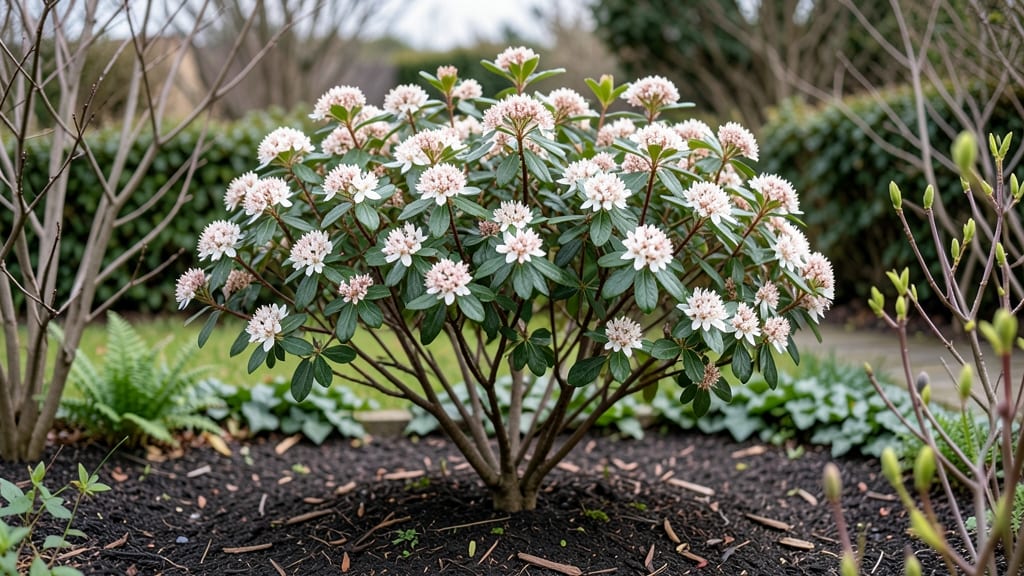
Early spring blooming white shrubs turn your garden into a serene sanctuary before summer even arrives. ✨ I’ve learned the hard way that planting the right varieties—like Viburnum bodnantense or Pieris japonica—means waking up to fragrant white blossoms when most gardens are still bare.
These shrubs thrive in partial shade and well-drained soil, making them perfect for problem areas where other plants struggle.
The magic happens in late winter or early spring when temperatures hover around 40-50°F—just as bulbs begin to push through the soil. Evergreens like Pieris stay lush year-round, while deciduous options like Helleborus (hellebores) bloom through light snow.
Both types need minimal fuss: a little mulch in winter and a trim after flowering to keep them tidy. The payoff? Months of soft white blooms that attract bees before other flowers even think about waking up.
Your garden will feel like a quiet retreat, especially on chilly mornings when the scent of Viburnum’s winter honeysuckle drifts through the air. These shrubs also handle drought better than many spring bloomers, so they’re ideal for low-maintenance landscapes.
Plant them near patios or entryways where you’ll notice their beauty—and fragrance—every day.
For best results, group them with early bulbs like daffodils or crocuses to extend the season’s color. And if you’re in a colder zone, choose varieties labeled for your hardiness zone—some Pieris types even survive down to -20°F.
Start with just one or two to test how they fit into your space before committing to a full border.
📚 In This Guide
- What you need
- Instructions
- Tips and common mistakes
- Wrapping up and next steps
What you need
- ● White blooming shrubs (3–5 plants): Examples: Viburnum bodnantense (Laurentia), Helleborus (Lenten Rose), Pieris japonica (Andromeda), or Deutzia varieties.
- ● Size: 1–3 gallon containers (mature height: 3–6 ft, depending on variety).
- ● Gardening gloves (1 pair) – Cotton or nitrile-coated for grip and protection.
- ● Trowel or shovel – Medium-sized (10–12" blade) for digging holes.
- ● Pruning shears – Bypass-style for clean cuts (sterilize with rubbing alcohol!).
- ● Mulch (2–3 bags) – Organic options like shredded bark or pine straw (2–3 inches deep).
- ● Slow-release fertilizer (1 bag) – Balanced 10-10-10 or organic options like composted manure.
- ● Watering can or hose with nozzle – For gentle, deep watering (1–2 gallons per plant initially).
- ● Soil amendment – Compost or peat moss (1–2 bags) to improve drainage in heavy clay soils.
- ● Plant support stakes – For taller shrubs (e.g., Pieris japonica) to prevent flopping.
- ● Plant tags or labels – To track varieties and care notes.
- ● Frost cloth – For late frosts (if planting in Zone 5 or colder).
- ● Decorative rocks or edging – To define garden beds and enhance curb appeal.
How to select and plant early spring white-blooming shrubs
These fragrant, sun-loving shrubs transform dull yards into cheerful canopies—here’s how to choose and plant them for lasting beauty.
🌱 Step 1: Choose the Right Varieties for Your Climate
Start with shrubs that thrive in your USDA hardiness zone and match your landscape needs. Top performers for early white blooms include viburnum (like Viburnum bodnantense ‘Dawn’), forsythia (Forsythia × intermedia), and deutzia (Deutzia gracilis). I always check bloom time—some, like pieris japonica, flower in late winter, while others wait until late spring.
Consider mature size too. A forsythia can reach 8 feet tall, while a deutzia stays compact at 3-4 feet. Plant taller varieties at the back of borders, shorter ones near pathways. For fragrance, viburnum and mock orange (Philadelphus) top the list—just brush past their blooms to experience their intoxicating scent.
☀️ Step 2: Pick the Perfect Planting Spot
Most early bloomers crave full sun to partial shade (6+ hours of light daily). Forsythia and deutzia thrive in full sun, while viburnum tolerates morning sun and afternoon shade. Avoid low spots where cold air pools—frost can damage tender buds before they open.
Test your site in late winter: If the ground feels frozen or waterlogged, amend the soil with 2-3 inches of compost before planting. I always dig a hole twice as wide as the root ball but only as deep—planting too deep suffocates roots. Loosen the roots if they’re circling, then spread them gently outward in the hole.
💧 Step 3: Plant and Water for Strong Establishment
Place the shrub so the top of the root ball sits 1 inch above ground level—this prevents rot. Backfill with native soil mixed with compost (use the 2 gallons you prepped earlier) to improve drainage. Press firmly around the base to eliminate air pockets, then water deeply until moisture reaches 12 inches down. You’ll know it’s enough when the soil feels damp like a wrung-out sponge.
Mulch with 3 inches of shredded bark or wood chips, keeping it 6 inches away from the trunk to avoid moisture buildup. Water twice weekly for the first month, then taper to once a week once new growth appears. Overwatering now leads to weak stems—better to let them establish roots first.
✂️ Step 4: Prune for Shape and Future Blooms
Wait until after flowering to prune—this ensures next year’s buds form properly. Remove dead or crossing branches first, then trim back any leggy growth to encourage bushiness. I cut just above a bud or leaf node, always at a 45-degree angle to shed water. For forsythia, prune lightly—it blooms on old wood, so heavy cuts reduce flowers.
Fertilize lightly in early spring with a balanced 10-10-10 formula (use 1 tablespoon per foot of plant height). Avoid high-nitrogen feeds—they promote leafy growth at the expense of blooms. Watch for aphids or spider mites on new shoots; a neem oil spray keeps pests away without harming pollinators.
🌿 Step 5: Maintain for Year-Round Interest
After the first flush of blooms, deadhead spent flowers to redirect energy to next year’s buds. For viburnum, I leave some seed heads for winter interest—they add texture when everything else is bare. In late fall, apply a 2-inch layer of mulch to insulate roots from freezing temperatures.
These shrubs reward patience. By year three, your forsythia will explode with golden-yellow blooms, while the viburnum delivers snow-white clusters that perfume the air. Group them with dwarf conifers or hellebores for a layered, ever-changing display from winter to spring.
Tips & tricks for perfect early spring white-blooming shrubs
Here’s what nobody tells you about making these fragrant shrubs thrive for years—trust me, these details make all the difference.
Climate-Smart Selection: Before buying, check your USDA hardiness zone and match it to your shrubs—viburnum ‘Dawn’ handles zones 5-8 beautifully, while deutzia thrives in zones 4-8. I always cross-reference bloom times too: pieris japonica flowers in late winter, while deutzia waits until late spring. This prevents disappointment when your garden stays bare longer than expected.
Soil Prep That Actually Works: The instructions mention amending with 2-3 inches of compost, but here’s the secret: mix in a handful of perlite or coarse sand if your soil feels dense. This improves drainage without changing the soil structure too much. I test soil moisture by squeezing a handful—if it holds together like Play-Doh, you need more sand. This prevents root rot during those critical first weeks.
Watering Wisdom: Those first two weeks are make-or-break. Water deeply until moisture reaches 12 inches down, but don’t just eyeball it—use a trowel to check. I dig a small hole 12 inches deep after watering; if it’s dry, water again. Overwatering now causes weak stems that flop when blooming season arrives. A moisture meter costs $20 and saves you from guesswork.
Pruning Pitfalls: The instructions say to prune after flowering, but here’s what I learned the hard way: never prune forsythia in spring—it blooms on old wood, so heavy cuts mean fewer flowers next year. For deutzia, you can be bolder since it blooms on new growth. I mark branches with masking tape before cutting to visualize the shape, which prevents over-trimming. Always cut at a 45-degree angle just above a bud—this simple detail keeps your shrubs healthy for decades.
Pro Tips for Early Spring Blooming Shrubs White
- Here’s what nobody tells you about making these fragrant shrubs thrive for years—trust me, these details make all the difference.
- Climate-Smart Selection: Before buying, check your USDA hardiness zone and match it to your shrubs—viburnum ‘Dawn’ handles zones 5-8 beautifully, while deutzia thrives in zones 4-8.
- Soil Prep That Actually Works: The instructions mention amending with 2-3 inches of compost, but here’s the secret: mix in a handful of perlite or coarse sand if your soil feels dense.
Frequently asked questions
about early spring blooming white shrubs—because every gardener deserves clarity!What’s the best time to plant early spring blooming white shrubs?
Plant them in early spring or fall when the soil is workable but not frozen. This gives roots time to establish before summer heat. For container-grown shrubs, you can plant them anytime the ground isn’t frozen, but spring is ideal for blooming the same season.
Will these shrubs survive harsh winters?
Most early bloomers like viburnums, lilacs, or mock orange are hardy in USDA Zones 4-8. Mulch heavily (3-4 inches) around the base in late fall to insulate roots. If your area gets extreme cold (<10°F), choose varieties labeled ‘cold-hardy’ or ‘winter-hardy.’
How do I keep my white shrubs looking neat without sacrificing blooms?
Prune right after flowering (late spring) to shape and remove dead wood. Avoid heavy pruning in fall—it cuts off next year’s buds! Use clean, sharp shears and sterilize them with rubbing alcohol between cuts to prevent disease. Pro tip: Leave some “skeleton” branches for winter interest!
Are there white shrubs that resist pests and diseases?
Yes! Opt for disease-resistant varieties like ‘Annabelle’ hydrangea (powdery mildew-resistant) or ‘Dart’s Little Dot’ viburnum (aphid-tolerant). Monitor for scale, spider mites, or borers—spray with neem oil or insecticidal soap early if needed. Good air circulation (prune for spacing) reduces fungal issues.
What if my white shrub isn’t blooming this year?
Don’t panic! Shrubs often take 2-3 years to mature and bloom. Check for:
- Sunlight: Most need 6+ hours/day.
- Soil: Amend heavy clay with compost.
- Water: Deep water 1-2x/week (drought stress delays blooms).
- Fertilizer: Use a balanced 10-10-10 in early spring.
Can I mix white bloomers with other colors for contrast?
Absolutely!
Pair whites with purples (clematis), pinks (azaleas), or deep greens (hostas) for a striking contrast. For a monochromatic look, add silver foliage (e.g., lamb’s ear) or chartreuse (e.g., ‘Lime Zest’ euonymus). Just ensure all plants share similar sun and water needs.
Wrapping up and next steps
Transforming your garden into a serene, fragrant haven doesn’t have to wait for summer—early spring blooming white shrubs are the perfect way to kickstart your outdoor oasis with elegance and charm. 🌸 From the delicate petals of Viburnum bodnantense to the bold beauty of Pieris japonica, these shrubs bring light, color, and life to even the coldest months.
Whether you’re a seasoned gardener or just starting out, adding these white bloomers is a simple yet impactful way to elevate your space.
Ready to take the next step? Start by sketching a simple layout of your garden or yard—note where sunlight hits early in the day and where shade lingers. Then, visit your local nursery or order online to pick out your favorite shrubs.
With a little planning and care, you’ll soon be enjoying a garden that feels like a peaceful retreat year-round! 🌿✨