
Flowers
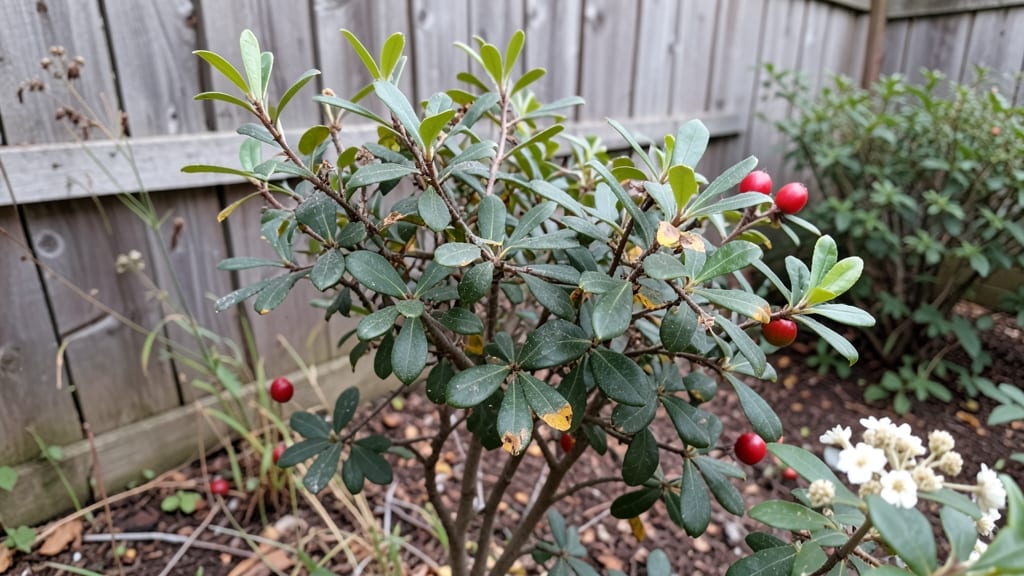
Shrubs with white flowers and red berries deliver the kind of dramatic contrast that makes your garden unforgettable. 🌿 I’ve always loved how these plants turn a border into a showstopper—imagine snow-white blooms in spring followed by jewel-toned berries that last through winter.
The secret lies in their placement: tucked along fences, grouped in mixed shrub beds, or as focal points near pathways.
These shrubs aren’t just pretty—they’re low-maintenance workhorses for garden design. Look for varieties like arrowwood viburnum or winterberry holly, which thrive in partial shade and handle different soil types.
Pair them with evergreens like boxwood or hemlock for year-round structure, or let them mingle with grasses for a natural, layered look. The berries alone provide seasonal interest that keeps your landscape lively from summer to frost.
What you’ll get is a garden that pops with color without needing constant upkeep. The white flowers catch morning light beautifully, while the red berries add a rich focal point when everything else fades.
Best of all, these shrubs attract birds and pollinators, turning your design into an ecosystem. Ready to create a border or bed that steals the show?
Works equally well in formal gardens or wild, cottage-style plantings. Here’s how to weave them into your landscape like a pro—without overcomplicating things.
Behind The Scenes Of Color
When a shrub bursts into striking white blooms followed by vibrant red berries, it’s not just a matter of luck—it’s a carefully orchestrated botanical process.
Understanding why this dramatic color shift happens helps gardeners anticipate, encourage, or even troubleshoot their plants. Let’s break down the science behind this seasonal spectacle.
Every shrub’s floral and berry hues are hardwired into its DNA. White flowers often result from a lack of pigments like anthocyanins (which create reds, purples, and blues) or flavonoids (yellows and oranges). Instead, white blooms reflect all light wavelengths, giving them that pristine glow.
Once pollination occurs, the plant shifts gears. The red berries develop due to:
- Anthocyanin production: These pigments act as sunscreen for the fruit, protecting seeds from UV damage while signaling ripeness to birds and animals.
- Seed dispersal strategy: Bright red berries are a garden’s built-in advertisement. Animals eat them, spread seeds, and—voilà—the cycle continues.
Pro Tip: 💡 If your shrub’s berries stay green or pale, it might lack sunlight or nutrients (like phosphorus), which are key for anthocyanin synthesis.
Color isn’t just genetic—it’s also environmentally triggered. For many shrubs (like Viburnum or Pyracantha),:
- Short daylight hours (fall/winter) can boost anthocyanin production, deepening red hues in berries.
- Cooler temperatures enhance pigment intensity, while heat stress may dull colors or cause berries to drop prematurely.
- Morning sun vs. afternoon shade matters: Some shrubs need 6+ hours of direct sun to trigger full color development.
Actionable Fix: 🌡️ Move potted shrubs to a sunnier spot in early summer to ensure berries develop vibrant red tones by fall.
Berries need phosphorus and potassium to turn red, just like humans need iron for blood. If your shrub’s berries stay greenish or pale:
| Nutrient Deficiency | Symptoms | Solution |
|---|---|---|
| Low Phosphorus (P) | Berries stay green, slow growth | Apply bone meal or compost in early spring. |
| Low Potassium (K) | Weak stems, dull berry color | Use wood ash or a balanced 5-10-10 fertilizer. |
| Nitrogen Overload (N) | Lush leaves but no berries or pale fruit | Switch to a low-N, high-P fertilizer (e.g., 3-6-6). |
Pro Tip: ✨ Mulch with well-rotted compost to slowly release nutrients—this mimics natural forest conditions where shrubs thrive.
No pollination? No berries. White flowers rely on bees, butterflies, or wind to transfer pollen. If your shrub has blooms but no fruit:
- Poor pollinator traffic: Urban gardens or early springs may lack bees. Solution: Plant bee-friendly companions like lavender or thyme nearby.
- Timing mismatch: Some shrubs bloom too early or late for local pollinators. Solution: Choose varieties like Viburnum bodnantense, which bloom in late winter when bees are active.
- Wind-dependent species (e.g., Cornus mas) need open exposure to catch pollen.
Quick Fix: 🐝 Hand-pollinate with a soft paintbrush if you spot blooms but no fruit after 2 weeks.
Sometimes, a shrub’s dramatic colors are masking trouble. Watch for:
- Powdery mildew or fungal spots: Can cause berries to blacken or drop early. Fix: Prune for airflow, spray with neem oil.
- Overwatering: Leads to root rot, stunting berry development. Fix: Ensure well-draining soil and water at the base.
- Pests (e.g., spider mites, aphids): Sap-sucking insects weaken the plant, reducing pigment. Fix: Blast off pests with water spray or introduce ladybugs.
Warning Sign: 🚨 If berries turn brown and mushy before ripening, it’s often bird damage—cover with netting if you want to save them for later.
Revive Your Shrub’s Stunning Display
Now that you understand why your shrub with white flowers and red berries might be struggling, let’s tackle the fixes—practical, step-by-step solutions to bring back that bold garden drama. Whether it’s pests, poor soil, or seasonal stress, these fixes will help your shrub thrive again.
If aphids, spider mites, or fungal infections are the culprits, act fast to protect your shrub’s health.
🔥 Step 1: Inspect & Identify the Problem
- Check leaves and stems for signs of pests (tiny bugs, webbing, or sticky residue).
- Look for discoloration or spots—a sign of fungal issues like powdery mildew.
- Shake branches over a white sheet to spot crawling insects.
🍳 Step 2: Remove Infestations Naturally
- For soft-bodied pests (aphids, mealybugs):
- Spray with neem oil (1 tsp per quart of water) or insecticidal soap.
Reapply every 5–7 days. - Blast them off with a strong spray of water (early morning works best). - For fungal diseases (powdery mildew, leaf spot): - Prune affected branches immediately and dispose of them in the trash (not compost). - Apply a copper fungicide or baking soda spray (1 tbsp baking soda + 1 tsp soap + 1 gallon water).
👨🍳 Step 3: Prevent Future Outbreaks
- Encourage beneficial insects like ladybugs and lacewings by planting marigolds or dill nearby.
- Improve air circulation by spacing shrubs properly (3–5 feet apart).
- Water at the base (avoid wetting leaves) to reduce fungal spores.
If your shrub isn’t getting the right nutrients or drainage, it’ll struggle to produce those show-stopping blooms and berries.
💡 Step 1: Test Your Soil
- Grab a DIY soil test kit (or send a sample to your local extension office).
- Check for pH balance (ideal: 6.0–7.0 for most berry-producing shrubs).
- Look for compacted or waterlogged soil—a red flag for root stress.
🎯 Step 2: Amend the Soil for Success
- For poor drainage:
- Mix in compost or peat moss to loosen heavy clay soil.
- Add perlite or sand (1 part per 3 parts soil) to improve aeration.
- For nutrient deficiencies:
- Add organic matter like aged manure or worm castings (1–2 inches mixed into the top 6 inches of soil).
- Fertilize in early spring with a balanced, slow-release fertilizer (10-10-10 or 20-20-20).
- For berry production specifically, use a high-phosphorus fertilizer (like 5-10-10) in late spring.
✨ Step 3: Mulch Like a Pro
- Apply 2–3 inches of mulch (wood chips, shredded bark, or pine straw) around the base.
- Keep mulch 2–3 inches away from the trunk to prevent rot.
- Replenish mulch annually to retain moisture and regulate soil temperature.
Overwatering or underwatering can stress your shrub, leading to poor flowering and berry production.
🔪 Step 1: Master the Watering Routine
- Water deeply but infrequently—aim for 1–1.5 inches per week (including rain).
- Check soil moisture by sticking your finger 2 inches deep—if dry, water thoroughly.
- Avoid wetting leaves to prevent fungal diseases (water at the base instead).
☀️ Step 2: Ensure Proper Sunlight
- Most white-flowering, red-berried shrubs (like Pyracantha, Cotoneaster, or Viburnum) need:
- Full sun to partial shade (6+ hours of sunlight daily).
- If your shrub is in deep shade, gradually move it to a sunnier spot over a few weeks.
Prevention is key to keeping your shrub healthy and vibrant year after year.
💡 Prune for Health & Shape
- Prune in late winter or early spring before new growth starts.
- Remove dead, diseased, or crossing branches to improve airflow.
- Shape lightly to encourage bushier growth (but avoid heavy pruning, which can reduce flowering).
🌡️ Protect in Extreme Weather
- Winter: Mulch heavily and wrap young shrubs in burlap if your climate drops below 10°F.
- Summer: Provide light shade during extreme heat waves to prevent leaf scorch.
🎯 Monitor & Maintain
- Fertilize annually in early spring.
- Watch for pests regularly (especially in early summer).
- Rotate mulch every 1–2 years to prevent compaction.
With these solutions, your white-flowering, red-berried shrub will bounce back stronger than ever, delivering season-long drama in your garden. 🌸🍒
Frequently asked questions
Which shrubs have white flowers and red berries that thrive in partial shade?
Look for arrowwood viburnum (Viburnum dentatum) or winterberry holly (Ilex verticillata)—both handle partial shade beautifully while delivering dramatic color contrast. For shadier spots, inkberry holly (Ilex glabra) also fits the bill with glossy leaves, white flowers, and red berries.
Can I plant these shrubs near my house or do they need space?
Most white-flowering, red-berried shrubs stay compact (6–10 feet tall), making them perfect for foundation plantings or near patios. Just ensure 3–5 feet of clearance from walls to avoid root competition. Dwarf varieties like Pyracantha 'Tiny Wine' work well in tight spaces.
Will birds eat all my berries before they ripen?
Yes! Birds adore red berries, but you can protect them temporarily with lightweight netting until they’re fully ripe. For persistent issues, try bird-resistant varieties like Cotoneaster 'Royal Purple' (berries stay longer) or plant near bird feeders to distract them elsewhere.
How do I keep these shrubs looking neat without sacrificing flowers or berries?
Prune after flowering (late summer/fall) to avoid cutting off next year’s blooms. Remove only dead wood or overcrowded branches—never more than 1/3 of the plant. For structured looks, use hand pruners for clean cuts and shape lightly in early spring.
Are there any toxic varieties I should avoid if I have pets?
Most white-flowering, red-berried shrubs are non-toxic, but check labels carefully. Pyracantha and Cotoneaster are generally safe, while some holly varieties (Ilex) contain mild toxins if ingested in large quantities. When in doubt, opt for pet-friendly alternatives like Viburnum.