
Shrubs
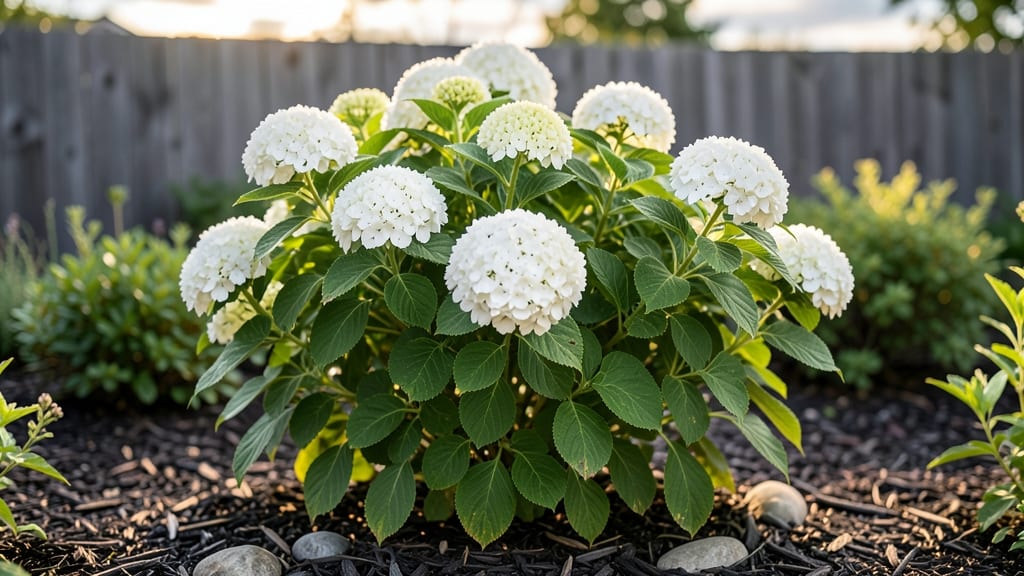
Identify this white flowering shrub and transform any yard into a dreamy, fragrant escape—if you can tell them apart. 🌸 I’ve spent years distinguishing between blooms that look almost identical at first glance, and these five varieties stand out for their fragrance, hardiness, and show-stopping beauty.
The key? Leaf shape, flower clusters, and growth habits—details that make all the difference between a guess and a confident ID.
Take bridal wreath spirea, for example: its delicate, lace-like clusters and arching branches create a cloud of white blooms that last from spring to summer.
Then there’s mock orange, whose intensely sweet blossoms smell like orange blossoms (even though it’s not citrus!)—but its simple, five-petaled flowers and glossy leaves set it apart from hydrangeas. Each of these shrubs has a signature look once you know what to spot.
Once you master these five, you’ll notice how their fragrance changes throughout the day—some peak at dawn, others in the evening. Deutzia and weigela add height and drama, while viburnum offers both flowers and edible berries later in the season.
The best part? Most thrive in full sun to partial shade, making them perfect for borders, hedges, or even container gardens.
Confused about whether your shrub is a hydrangea or a viburnum? I’ll walk you through the telltale signs—like flower shape, leaf edges, and how the blooms grow on the stems. By the end, you’ll be the neighbor everyone asks for plant ID help. Let’s get started!
📚 In This Guide
- What you need
- Instructions
- Tips and common mistakes
- Wrapping up and next steps
What you need
- ● Digital camera or smartphone – For capturing clear photos of leaves, flowers, bark, and overall plant structure (high-resolution recommended).
- ○ Magnifying glass (optional but helpful) – To inspect fine details like leaf texture, flower structure, or stem hairiness.
- ● Notebook or note-taking app – To jot down observations like bloom time, leaf shape, and growth habits.
- ● Ruler or measuring tape – To note plant height, leaf size, or flower cluster dimensions (in inches or cm).
- ○ Field guide or plant identification app – Optional but game-changing! Apps like PictureThis, PlantNet, or iNaturalist can cross-reference your findings.
- ● Gloves (lightweight gardening gloves) – For protection when handling thorny or prickly shrubs.
- ● Small pruning shears (sterilized) – If you need to collect a tiny leaf or stem sample for closer inspection (use sparingly!).
- ● Pruning saw – For larger branches if you’re assessing mature shrubs.
- ● Moisture meter – To check soil conditions if you suspect drought tolerance plays a role in identification.
- ● Scented sample jar – If fragrance is a key identifier (e.g., for Philadelphus or Deutzia), seal a small flower cluster in a jar to sniff later.
- ● Sunlight meter or app – To determine if the shrub thrives in full sun, partial shade, or full shade.
- ● Local gardening forum or Facebook group – For crowdsourcing help from fellow plant lovers in your region!
Quick guide to identifying common white flowering shrubs
Skip the guesswork—here’s how to spot the most fragrant white-blooming shrubs in your yard or neighborhood.
🌿 Step 1: Check Leaf Shape and Arrangement
Start by examining the leaves. Smooth, oval leaves in opposite pairs often belong to mock orange (Philadelphus), a classic fragrant shrub with clusters of white, four-petaled flowers. These leaves are typically 2-4 inches long and have a slightly waxy texture. If the leaves are narrow and elongated (about 3-5 inches long), you’re likely looking at deutzia, another white-flowering favorite with delicate, airy blooms.
For shrubs with serrated edges and a slightly rough surface, consider pittosporum—its white flowers are less showy but highly fragrant, especially in spring. Notice whether the leaves grow in whorls (three or more at a node) or alternate patterns—this can narrow it down further. Alternate leaves often point to syringa (lilac), though lilacs usually have slightly narrower leaves and a more clustered flower form.
☀️ Step 2: Observe Flower Clusters and Growth Habit
White flowers in large, flat-topped clusters (like a flat umbrella) are almost always mock orange (Philadelphus). These shrubs grow 4-6 feet tall and have a slightly arching habit, making them easy to spot in landscapes. If the flowers are smaller and more rounded, with five petals, you’re likely dealing with deutzia—its branches often have a weeping or cascading growth pattern.
For shrubs with single, trumpet-shaped white blooms, think jasmine (Trachelospermum)—though it’s technically a vine, it’s often trained as a shrub. Jasmine leaves are leathery and glossy, and the flowers release their fragrance most strongly in the evening. If the shrub has thick, leathery leaves and large, solitary white flowers, it could be Gardenia jasminoides, prized for its intoxicating scent and glossy foliage.
🌱 Step 3: Note Flowering Time and Scent Intensity
Timing is key. Mock orange blooms in late spring to early summer, with flowers lasting 2-3 weeks and filling the air with a honey-like fragrance. Deutzia flowers slightly later, in mid to late spring, and its scent is lighter but sweet. Pittosporum releases its most intense fragrance in early spring, often before the leaves fully emerge.
If the shrub’s scent is strongest in the evening, it’s likely jasmine or gardenia. Both have powerful, heady aromas that linger in the air long after the flowers fade. Lilacs (Syringa) bloom in early to mid-spring, with a distinctive sweet, slightly powdery scent that’s unmistakable once you’ve smelled it. Pay attention to whether the fragrance is subtle or overpowering—this can help rule out look-alikes.
✂️ Step 4: Examine Bark and Branch Structure
Young mock orange branches have smooth, greenish bark that matures to a grayish-brown, often with horizontal lenticels (tiny raised dots). Deutzia branches are slender and reddish-brown, sometimes with peeling bark as they age. Pittosporum has thick, leathery branches with a slightly zigzag pattern, and its bark can develop a silvery sheen over time.
If the shrub has thick, gnarled branches with deep furrows, it’s probably gardenia—these shrubs have a woody, almost tropical appearance. Lilacs typically have stout, rounded branches with peeling bark that reveals greenish layers underneath. Run your fingers along the bark—rough or peeling textures often indicate mature shrubs, while smooth bark suggests a younger plant.
🔍 Step 5: Cross-Reference with Local Climate and Common Landscapes
Where you live matters. Mock orange and deutzia thrive in USDA Zones 4-8 and are common in northeastern and mid-Atlantic landscapes. Pittosporum prefers Zones 7-10 and is often found in southern gardens, where it tolerates humid summers. Gardenia loves Zones 7-10 and is a staple in coastal or subtropical gardens, where it enjoys high humidity.
If the shrub is growing in a wild, naturalized area, it might be wild lilac (Syringa vulgaris) or winter honeysuckle (Lonicera fragrantissima), which has smaller white flowers but a strong winter fragrance. Urban landscapes often feature mock orange or deutzia due to their low-maintenance nature. Check nearby shrubs—if you see similar leaf shapes or growth habits, you’re likely dealing with the same variety.
Tips & tricks for quickly identifying fragrant white flowering shrubs
Avoid the common pitfalls that make shrub identification frustrating—here's how to spot details that make all the difference in your garden walk.
Leaf Texture is Your First Clue: Pay close attention to leaf surfaces in Step 1. The waxy texture of mock orange leaves (2-4 inches long) is distinctively smoother than the slightly rough pittosporum leaves. Run your fingers across the leaves—mock orange feels almost silky, while deutzia leaves have a subtle downy fuzz. This tactile difference is often more reliable than visual inspection alone when shrubs look similar.
Flower Shape Reveals the Shrub: In Step 2, focus on the flower cluster shape before examining individual blooms. Mock orange's flat-topped clusters resemble a dinner plate, while deutzia's rounded clusters look more like a golf ball. Jasmine's solitary trumpet-shaped flowers are unmistakable once you spot them—look for these hanging slightly downward from the branches. This visual pattern recognition is faster than counting petals.
Seasonal Timing Saves Time: The flowering windows in Step 3 are your secret weapon. Keep a seasonal calendar in mind: early spring means pittosporum, late spring/early summer is mock orange, and mid-to-late spring is deutzia. This eliminates half your options immediately. Even better, check your local hardiness zone—gardenia and pittosporum won't appear in colder climates, so you can skip those checks entirely in those regions.
Bark Texture Tells the Story: When examining bark in Step 4, focus on the branch tips rather than mature trunks. Young mock orange branches have distinctive horizontal lenticels (those tiny raised dots) that appear within the first year. Deutzia's reddish-brown branches often show subtle peeling patterns even when young. This early bark examination prevents misidentification of mature shrubs that may have developed similar bark textures over time.
Pro Tips for Identify White Flowering Shrub
- Avoid the common pitfalls that make shrub identification frustrating—here's how to spot details that make all the dif...
- Leaf Texture is Your First Clue: Pay close attention to leaf surfaces in Step 1. The waxy texture of mock orange leav...
- Flower Shape Reveals the Shrub: In Step 2, focus on the flower cluster shape before examining individual blooms. Mock...
Frequently asked questions
What’s the easiest white-flowering shrub to grow for beginners?
If you’re new to gardening, start with Abelia × grandiflora or Deutzia. Both thrive in partial shade, handle moderate drought, and bloom reliably with minimal fuss. Just ensure well-draining soil—most white shrubs hate soggy roots!
When is the best time to plant a white flowering shrub?
Spring or early fall are ideal! Planting in spring (after the last frost) gives roots time to establish before summer heat, while fall (6–8 weeks before frost) lets them settle in before winter. Avoid planting in extreme heat or cold.
Why aren’t my white flowers blooming this year?
Common culprits include over-fertilizing (too much nitrogen = leafy growth, no flowers), poor sunlight (most need 4–6 hours of sun), or pruning at the wrong time (prune right after blooming, never in late summer). Check soil moisture too—drought stress can delay flowers.
Can I grow white flowering shrubs in containers?
Dwarf varieties like Pieris japonica (Andromeda) or Abelia ‘Kaleidoscope’ thrive in pots (15–20 gallons). Use well-draining potting mix, a container with drainage holes, and fertilize lightly in spring. Move containers to a sheltered spot in winter if temps drop below 20°F.
What’s a fragrant alternative if I want white flowers and scent?
Skip the Hydrangea arborescens (sweet but subtle) and try Osmanthus ‘Gulftide’ (intense, jasmine-like fragrance) or Philadelphus ‘Minnesota Snowflake’ (heavy, honeyed scent). Both bloom white and attract pollinators—just plant them where you’ll brush past them often!
Pro Tip:
For longer blooms, deadhead spent flowers (snip off faded blooms) on shrubs like Deutzia or Weigela. This encourages repeat flowering and keeps your shrub looking fresh all season.
Wrapping up and next steps
Identifying white flowering shrubs doesn’t have to be a challenge—with the right knowledge, you can transform your garden into a fragrant paradise! 🌸 From the delicate blooms of Syringa to the bold elegance of Hydrangea, each variety brings its own charm and scent.
Now that you’re armed with key traits like bloom time, foliage, and fragrance, it’s time to take action.
Ready to enhance your outdoor space? Start by visiting a local nursery or browsing online plant databases to compare your findings. Plant one this season—your garden (and pollinators!) will thank you. Happy gardening! 🌿