
Shrubs
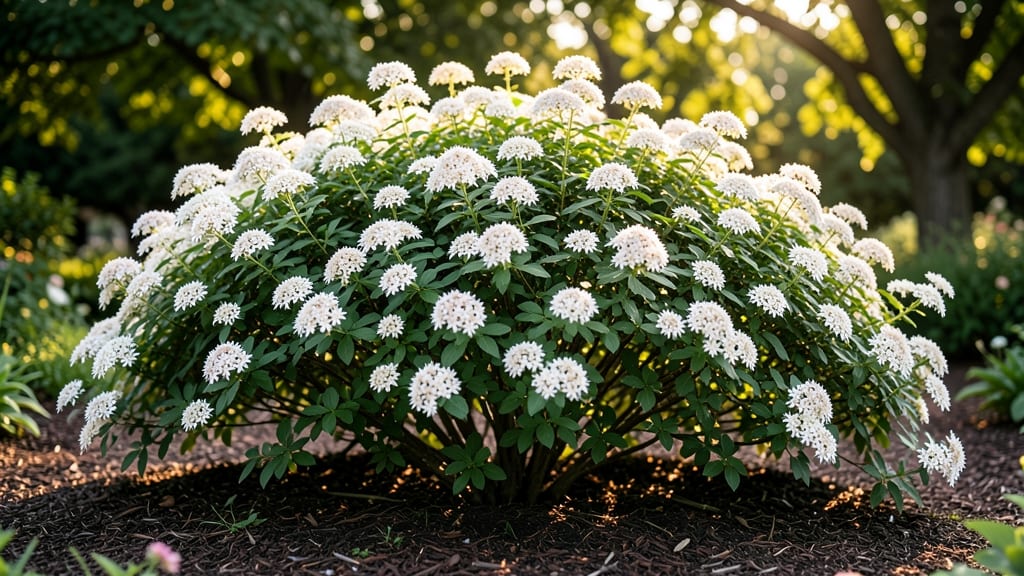
Bridal wreath spirea shrubs transform any garden into a fragrant, cloud-like retreat. 🌿 I fell for this shrub the first time I saw its delicate white blooms cascading like lace—it’s the perfect blend of beauty and resilience, thriving where others struggle.
The secret lies in its adaptability: it handles partial shade, tolerates poor soil, and keeps its glossy foliage all year. Start with well-draining soil (amend with compost if needed) and 3–4 feet of spacing between plants.
These shrubs love full sun but won’t melt in afternoon shade, making them ideal for under trees or along fences. Water deeply once established—overwatering is their only real enemy—and fertilize lightly in spring with balanced 10-10-10. Prune after flowering in early summer to shape and encourage next year’s blooms.
The result? A nearly maintenance-free shrub that blooms profusely for weeks, with a subtle vanilla-like fragrance that lingers in the breeze. Pair it with hostas or ferns for a woodland garden vibe, or let it stand alone as a statement piece.
Here’s the best part: they’re drought-tolerant once established and rarely bothered by pests. Even my black thumb can’t kill these. For a low-stress, high-reward shrub, this is it.
📚 In This Guide
- What you need
- Instructions
- Tips and common mistakes
- Wrapping up and next steps
What you need
- ● Bridal wreath spirea shrubs (1–3 plants, depending on desired coverage—Spiraea prunifolia is the classic variety!)
- ● Well-draining potting soil (5–10 gallons, depending on pot size or garden bed)
- ● Organic mulch (2–3 inches, like shredded bark or pine needles)
- ● Slow-release fertilizer (balanced 10-10-10 or organic options like compost)
- ● Garden gloves (to protect your hands from thorns and soil)
- ● Trowel or shovel (for planting and soil prep)
- ● Watering can or hose with a gentle nozzle (for deep, even hydration)
- ● Pruning shears (sharp, sterilized tools for shaping and maintenance)
- ● Epsom salt (1 tablespoon per plant, monthly—boosts magnesium for lush blooms!)
- ● Plant supports or stakes (if your spirea grows tall or leggy)
- ● Drip irrigation system (for automated, consistent watering)
- ● Garden twine or decorative ribbons (to weave through branches for a romantic touch!)
- ● Soil pH tester (ideal range: 6.0–7.0 for spirea)
Step-by-Step guide to planting and maintaining bridal wreath spirea
Here's how to establish these fragrant, low-maintenance shrubs for a lush, year-round display.
🌱 Step 1: Select the Perfect Planting Location
Bridal wreath spirea thrives in full sun to partial shade, with at least 6 hours of direct sunlight daily for optimal flowering. I always scout the site in late afternoon when shadows are longest—this helps identify sun patterns. Avoid spots where afternoon shade cuts sunlight short; the blooms will fade faster without consistent light.
Check soil drainage by digging a 12-inch deep hole. If water pools after 30 minutes, amend the area with 2-3 inches of compost or plant on a slight mound. These shrubs hate soggy roots, and poor drainage is the #1 reason they decline. Test soil pH too—ideal range is 5.0-7.0—though they're flexible enough to tolerate 4.5-7.5.
🪴 Step 2: Prepare the Planting Site and Transplant
Dig a hole twice as wide as the root ball but only as deep. The top of the root ball should sit 1-2 inches above ground level—this prevents water from pooling at the stem. Gently loosen roots circling the root ball with your fingers; I always cut through any tight root rings with pruners to encourage outward growth.
Place the shrub in the hole and backfill with native soil mixed with 1/3 compost to improve fertility. Water deeply until the soil settles, then add more soil if needed to maintain that 1-2 inch crown height. Mulch with 2-3 inches of organic mulch (like shredded bark) keeping it 3 inches away from the stem—this prevents rot while retaining moisture.
☀️ Step 3: Establish Proper Watering and Fertilizing Routine
Water newly planted spirea deeply 2-3 times per week for the first 4-6 weeks, until the root system establishes. You'll know it's enough when water drains 6 inches deep—stick a screwdriver in the soil to check. After establishment, water 1 inch per week, letting the top 2 inches of soil dry out between waterings to prevent fungal issues.
Fertilize in early spring with a 10-10-10 balanced fertilizer at half-strength. I skip summer feeding—too much nitrogen now encourages leafy growth over flowers. In fall, apply a low-nitrogen, high-phosphorus fertilizer (like 5-10-10) to support root development for next year's blooms. Always water before and after fertilizing to prevent root burn.
✂️ Step 4: Prune for Shape and Seasonal Health
Prune immediately after flowering in early summer while the plant is still in bloom. Cut back 1/3 of the oldest stems to the ground—this rejuvenates growth and encourages dense new shoots. Use clean, sharp pruners and make cuts at a 45-degree angle just above an outward-facing bud. Avoid heavy pruning in fall or winter; you'll sacrifice next year's spring blooms.
Shape the shrub lightly in late winter before new growth begins. Remove any dead, diseased, or crossing branches first. Then thin out crowded stems to improve air circulation. I never prune more than 25% of the plant's volume in any single season—this keeps the shrub vigorous without stress. Always sterilize pruners with rubbing alcohol between cuts to prevent spreading disease.
🌿 Step 5: Overwinter for Year-Round Beauty
Mulch heavily with 4-6 inches of organic mulch in late fall after the first hard frost. This insulates roots and protects against temperature swings. I also wrap young plants (3 years old or less) with burlap if your winters drop below -10°F
Remove mulch in early spring once daytime temperatures consistently stay above 40°F. Check for winter damage by gently brushing off branches—if you see brown, brittle stems, prune them back to healthy wood. Water lightly in early spring to encourage new growth, but avoid heavy watering until roots are actively growing. The fragrant blooms will return reliably if you maintain this routine.
Tips & tricks for perfect bridal wreath spirea shrubs
Took me years to perfect these shrubs—here are the pro tips that make all the difference in your fragrant landscape.
Sunlight Secret: That 6 hours of daily sunlight in Step 1 is non-negotiable for vibrant blooms. I've learned the hard way—if your site gets afternoon shade, supplement with a south-facing window for container plants. The blooms will fade dramatically if light drops below 5 hours, especially in cooler climates. Use a sunlight tracker app for a week to map your yard's light patterns before planting.
Root Health Strategy: The 30-minute drainage test in Step 1 is your first line of defense against root rot. If water pools after this time, mix in perlite or coarse sand with that 2-3 inches of compost—this creates better aeration. I've seen spirea decline within weeks when planted in heavy clay without amendments. For container growing, use pots with drainage holes and terracotta (not plastic) to prevent moisture buildup.
Pruning Precision: When you're cutting back 1/3 of oldest stems in Step 4, look for stems that are thicker than a pencil—these are the ones to remove. I always make my cuts just above a leaf bud that faces outward, which encourages bushier growth. For the 45-degree angle, I use a small pencil as a guide to keep cuts consistent. This technique prevents water from pooling at the cut site and reduces disease risk.
Winter Protection Hack: That 4-6 inches of mulch in Step 5 works wonders, but for extreme winters below -10°F, I add a layer of straw over the mulch. For young plants, wrap the burlap loosely—tight wrapping can cause moisture buildup and rot. In spring, remove mulch when daytime temps stay above 40°F for 3 consecutive days to prevent fungal issues from trapped moisture.
Pro Tips for Bridal Wreath Spirea Shrubs
- Took me years to perfect these shrubs—here are the pro tips that make all the difference in your fragrant landscape.
- Sunlight Secret: That 6 hours of daily sunlight in Step 1 is non-negotiable for vibrant blooms. I've learned the hard...
- Root Health Strategy: The 30-minute drainage test in Step 1 is your first line of defense against root rot. If water ...
Frequently asked questions
Got questions about bridal wreath spirea shrubs? You’re not alone! Here are answers to the most common queries to help you grow and enjoy these fragrant beauties with confidence.
How fast do bridal wreath spirea shrubs grow?
These shrubs grow at a moderate pace, typically adding 12–24 inches per year under ideal conditions. With proper care—like well-draining soil and regular watering—they’ll reach their mature height of 6–8 feet in about 3–5 years. Patience pays off with their lush, fragrant blooms!
When is the best time to plant bridal wreath spirea?
The ideal planting window is in early spring or fall, when temperatures are mild (50–70°F). Avoid extreme heat or frost, as young roots are sensitive. If you must plant in summer, water deeply and use mulch to retain moisture. Fall planting gives roots time to establish before winter.
Can I prune bridal wreath spirea after it blooms?
Yes! Unlike some shrubs, bridal wreath spirea blooms on new wood, so you can prune anytime—even right after flowering. Aim for late winter or early spring to shape the shrub and encourage dense growth. Never prune back more than 1/3 of the plant in one season to avoid stress.
What can I do if my spirea isn’t fragrant?
Fragrance fades if the shrub is stressed or underfed. Check these fixes:
- Soil health: Ensure it’s well-draining and rich in organic matter.
- Watering: Keep soil consistently moist but not soggy.
- Fertilizer: Apply a balanced, slow-release fertilizer in early spring.
- Sunlight: Confirm it gets 6+ hours of sun daily.
Are there drought-tolerant alternatives to bridal wreath spirea?
If you need low-maintenance, fragrant shrubs that handle drought better, try these:
- Dwarf Fothergilla (Fothergilla gardenii) – 3–5 feet tall, fragrant spring blooms, and vibrant fall foliage.
- Abelia (Abelia x grandiflora) – 3–6 feet tall, blooms summer to fall, and thrives in heat.
- Weigela (Weigela florida) – 5–8 feet tall, bold flowers, and deer-resistant.
Wrapping up and next steps
Bridal Wreath Spirea shrubs are the perfect blend of beauty, fragrance, and resilience—ideal for gardeners who crave year-round charm with minimal fuss. Their delicate blooms, sweet scent, and adaptability make them a standout choice for borders, hedges, or even as a stunning focal point.
Whether you're a seasoned gardener or just starting, adding these shrubs to your landscape will bring joy and elegance for seasons to come!
Ready to transform your outdoor space? Start by selecting your plants, prepping the soil, and planting with care—your fragrant, ever-blooming oasis awaits! 🌸