
Watering
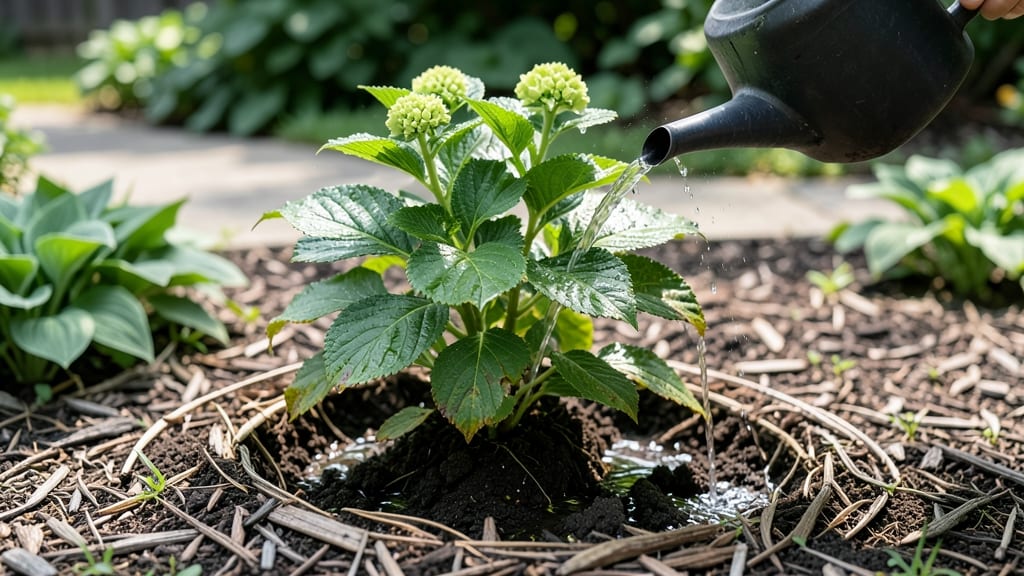
Watering newly planted shrubs wrong can mean the difference between thriving plants and sad, shriveling losses. 🌱 I’ve watched my own shrubs struggle when I overwatered during summer heatwaves—or worse, ignored them after planting. The key is a seasonal schedule that keeps roots happy without drowning them.
Most shrubs need deep watering 2-3 times per week in their first year, but that changes with soil and weather. Sandy soil drains fast, so you’ll water more often, while clay holds moisture longer.
Mulch helps too—it keeps soil cool and locks in water, cutting back on how often you need to check.
By the end of the first year, your shrubs will develop strong roots and need less frequent watering. Look for wilting leaves or yellowing foliage—those are signs to adjust. Overwatering is just as bad as underwatering, so always check the soil before reaching for the hose.
This schedule works for almost any shrub, from hydrangeas to boxwoods, but drought-tolerant varieties like lavender need even less. Stick with it, and your shrubs will thank you with years of healthy growth.
📚 In This Guide
- What you need
- Instructions
- Tips and common mistakes
- Wrapping up and next steps
What you need
- ● Watering can or hose with a gentle spray nozzle – Look for a 5-gallon capacity (or larger) to deliver deep, consistent watering. A soaker hose (10–20 feet long) is ideal for larger shrubs.
- ● Moisture meter – A digital probe type (like the GLOMY) helps monitor soil moisture at the root level (1–2 inches deep).
- ● Mulch (2–4 inches thick) – Use organic mulch (shredded bark, pine straw, or wood chips) to retain moisture and regulate soil temperature. Avoid plastic mulch.
- ● Garden gloves – Protect your hands while handling soil, mulch, or tools.
- ● Timer or alarm – Helps track watering schedules (especially for busy schedules!).
- ● Drip irrigation kit – Automates watering for precision (great for large gardens).
- ● Rain gauge – Measures natural rainfall to adjust watering frequency.
- ● Compost or slow-release fertilizer – Boosts root establishment (use a balanced 10-10-10 formula sparingly).
- ● Shade cloth (lightweight) – Protects young shrubs from intense afternoon sun during extreme heat.
- ● Notebook or app – Track watering dates, weather conditions, and shrub responses (e.g., Gardenate or PlantNet).
- ● Know your shrub’s needs – Research your specific shrub (e.g., drought-tolerant vs. thirsty varieties like hydrangeas).
- ● Test your soil – Use a soil test kit to check drainage and pH (aim for 6.0–7.0 for most shrubs).
- ● Choose the right time – Water in the early morning (6–10 AM) to reduce evaporation and fungal risks.
How to water newly planted shrubs for first-year success
Here's the seasonal schedule I've perfected to help young shrubs establish strong roots without drowning.
💧 Step 1: Water Immediately After Planting
Give your newly planted shrubs a thorough soaking right after installation. Water deeply enough to saturate the entire root ball and surrounding soil to a depth of 12-18 inches. You'll know you've done it right when water appears at the surface of the planting hole—this ensures the roots make contact with moisture.
Use a garden hose with a slow watering attachment or a soaker hose to deliver water gently. Avoid high-pressure sprinklers that can dislodge fresh soil. Watering too lightly at this stage leaves air pockets around the roots, preventing proper hydration. I like to water in the late afternoon so the soil has time to absorb moisture before evening.
☀️ Step 2: Establish a Weekly Watering Routine in Spring
During the first growing season, newly planted shrubs need consistent moisture to establish roots. Water once a week with 10-15 gallons per shrub during spring months when temperatures are moderate. Check soil moisture by inserting your finger 2-3 inches deep—if it feels dry, it's time to water.
Real talk: Overwatering is just as harmful as underwatering. I've seen young shrubs develop root rot from too much moisture. Let the top 2-3 inches of soil dry out slightly between waterings. This encourages roots to grow deeper in search of moisture rather than staying shallow.
🌿 Step 3: Adjust Frequency During Summer Heat
When temperatures rise above 85°F, increase your watering to twice weekly with 15-20 gallons per shrub. Water deeply in the early morning to reduce evaporation and fungal risks. You'll notice leaves wilting slightly during the day—this is normal, but they should perk up by evening if moisture levels are right.
Here's the thing—mulch makes all the difference in summer. Apply 2-3 inches of organic mulch around the base of your shrubs (but keep it 6 inches away from the trunk) to retain moisture and regulate soil temperature. The mulch should look slightly damp after watering, not bone dry.
⏰ Step 4: Reduce Watering in Fall and Winter
As temperatures drop below 60°F in fall, reduce watering to every 2-3 weeks unless you experience prolonged dry spells. Shrubs enter dormancy and need less moisture. Check soil moisture by lifting a small section of mulch—if the soil beneath is moist, wait before watering again.
Winter watering depends on your climate. In areas with freezing temperatures, hold off on watering entirely unless the ground remains unfrozen. In milder winter regions, a light watering once a month prevents drought stress. You'll know your shrubs are getting just the right amount if they look healthy and vibrant when spring arrives.
🌱 Step 5: Monitor and Adjust Based on Visual Cues
Watch for signs of overwatering or underwatering throughout the year. Yellowing leaves with crisp edges indicate too much water, while dry, brown leaf edges signal thirst. Adjust your schedule based on these visual cues rather than sticking rigidly to a calendar.
I always check the soil moisture before watering—if the top 2-3 inches feel damp, hold off. If the soil feels dry and crumbly, it's time to water. This hands-on approach ensures your shrubs get exactly what they need, no more, no less. Consistency is key to helping them establish strong roots for years to come.
Tips & tricks for newly planted shrub care
These small adjustments make all the difference between thriving shrubs and struggling ones in their first year.
Soil Saturation Secret: When you water immediately after planting, aim to saturate soil to a depth of 12-18 inches—this means water should appear at the surface of the planting hole. I've seen many gardeners make the mistake of watering too lightly, leaving air pockets that prevent roots from absorbing moisture properly. Use a slow watering attachment or soaker hose to deliver water gently without disturbing the soil.
Seasonal Temperature Watch: The 85°F summer threshold is critical—when temperatures rise above this, your shrubs need twice-weekly watering. I've noticed that shrubs in hotter climates often show early signs of stress (like wilting) when watering schedules aren't adjusted. Water in the early morning to reduce evaporation and fungal risks, and always check that leaves perk up by evening if they wilt slightly during the day.
Mulch Mastery: That 2-3 inch layer of organic mulch around your shrubs isn't just decoration—it's moisture insurance. Keep it 6 inches away from the trunk to prevent rot. After watering, the mulch should look slightly damp, not completely dry. This simple layer can cut water needs by up to 30% during summer heat while also regulating soil temperature.
Winter Watering Wisdom: In colder climates, hold off on winter watering entirely unless the ground remains unfrozen. I've learned this the hard way—overwatering in freezing temperatures can lead to root damage. In milder winter regions, a light monthly watering prevents drought stress, but always check soil moisture first by lifting a small section of mulch before deciding.
Pro Tips for How Often To Water Newly Planted Shrubs
- These small adjustments make all the difference between thriving shrubs and struggling ones in their first year.
- Soil Saturation Secret: When you water immediately after planting, aim to saturate soil to a depth of 12-18 inches—th...
- Seasonal Temperature Watch: The 85°F summer threshold is critical—when temperatures rise above this, your shrubs need...
Frequently asked questions
about watering newly planted shrubs—here’s what you need to know to keep your greens thriving!How often should I water a newly planted shrub in the first month?
Water deeply every 2–3 days during the first month, ensuring the soil stays consistently moist (about 1–2 inches deep). Shallow watering encourages weak roots—aim for slow, thorough soaking to help roots establish. Check soil moisture before watering again; if the top inch is dry, it’s time!
Can I water my shrubs less frequently once they’re established?
Yes! After the first year, most shrubs need water 1–2 times per week (depending on climate), but newly planted ones require more frequent care. Gradually reduce watering as roots spread deeper—test by digging gently to check root growth progress.
What if it rains a lot? Do I still need to water?
Rain helps, but 1 inch of rain ≠ deep watering. If heavy rain occurs, check soil moisture 24 hours later—if the top 2 inches are dry, water lightly. Over-reliance on rain can lead to root rot or uneven growth.
How do I adjust watering for extreme heat or cold?
| Season | Watering Frequency | Pro Tip |
|---|---|---|
| Extreme Heat (90°F+) | Every 1–2 days (morning watering preferred) | Mulch heavily (2–3 inches) to retain moisture and protect roots. |
| Cold/Winter | Reduce to weekly (unless soil is bone-dry) | Avoid soggy soil—water only if the ground feels frozen or parched. |
My shrub’s leaves are wilting—did I overwater or underwater?
Wilting can mean both! Check the soil:
Dry top inch? → Water immediately and deeply.
Soggy or mushy soil? → Hold off and improve drainage (add perlite or sand). Yellowing leaves often signal overwatering.
Wrapping up and next steps
Caring for newly planted shrubs is all about patience and consistency—your efforts will pay off with lush, thriving greenery! Remember, the first year is critical: deep, infrequent watering (especially in the first few weeks) helps roots establish strong, while seasonal adjustments keep them resilient.
Don’t stress over minor adjustments; soil and weather are your guides.
Now that you’re armed with a seasonal schedule, take the next step: set reminders or mark your calendar to stay on track. Celebrate small wins—like new growth or vibrant leaves—and soon, your shrubs will reward you with years of beauty! 🌱✨