
Blooming
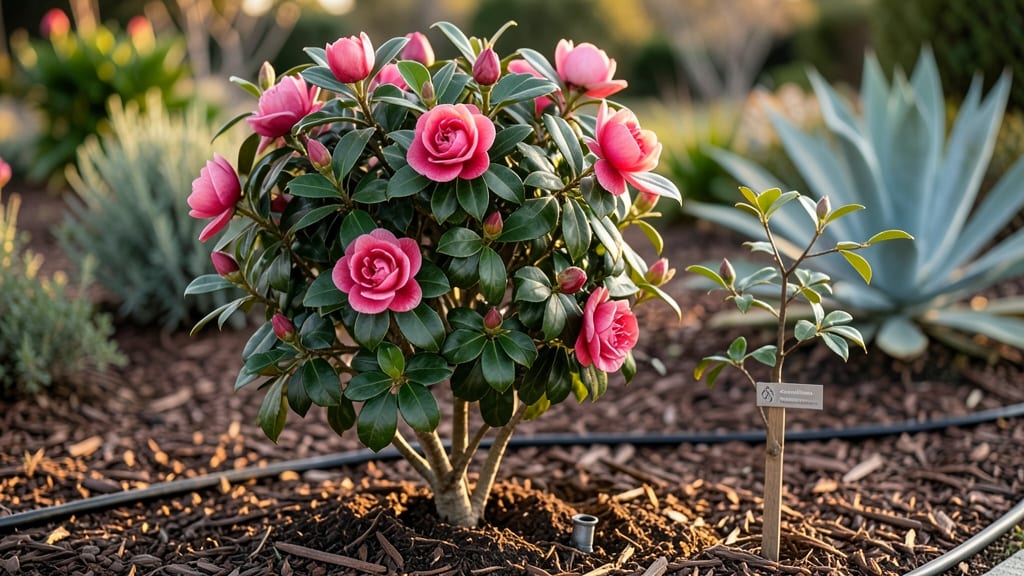
Blooming shrubs for Zone 9 thrive in heat and humidity, with top fast-growing varieties like butterfly bush, abelia, and gardenia delivering vibrant flowers year-round with minimal care. Choose drought-tolerant species for low-maintenance beauty.
Zone 9's warm winters and intense summer sun create perfect conditions for heat-loving shrubs that bloom prolifically. Unlike cooler climates, these plants need varieties that handle humidity without wilting—think crape myrtle or hibiscus, which not only survive but thrive in the region's climate.
The key is selecting shrubs with deep root systems to access moisture while resisting fungal diseases common in damp air. 🌿 Many of these plants also double as pollinator magnets, attracting butterflies and hummingbirds while adding color to your landscape.
For best results, plant most shrubs in fall or early spring when temperatures are mild, giving roots time to establish before extreme heat arrives. Prune after flowering to encourage next year's blooms, and always use well-draining soil mixed with compost to prevent root rot.
A little extra mulch around the base helps retain moisture during those scorching afternoons.
💡 In This Article
- Climate and Soil Requirements for Zone 9 Flowering Shrubs
- Planting and Maintenance Schedule for Fast-Blooming Zone 9 Shrubs
Climate and soil requirements for Zone 9 flowering shrubs
Zone 9's unique climate—characterized by warm winters (30-40°F averages) and high humidity—demands shrubs with specific adaptations. The key is selecting species that tolerate heat stress while resisting fungal diseases common in damp air.
For example, crape myrtle thrives here because its thick bark insulates against temperature swings, while its shallow roots spread wide to capture moisture during brief dry spells. 🌞 The high humidity also means choosing shrubs with waxy leaves (like oleander) that reduce water loss through transpiration.
Soil pH plays a crucial role too—most Zone 9 blooming shrubs prefer slightly acidic to neutral soil (6.0-7.0 pH). Gardenias, for instance, demand acidic soil (5.0-6.0) to prevent leaf yellowing, while hibiscus adapts to a broader range (6.0-7.5).
The region's heavy clay soils often need amendment with organic matter (like compost or pine bark) to improve drainage and aeration. Without this, roots suffocate during summer downpours, leading to root rot in sensitive species like camellias.
What sets Zone 9 apart is the need for drought-tolerant yet humidity-resistant varieties. Butterfly bush, for example, handles both conditions by developing deep taproots (3-5 feet deep) that access groundwater while its fuzzy leaves repel excess moisture.
This dual adaptation explains why it's a top performer in Florida and Southern California gardens. The trade-off? Some shrubs (like azaleas) struggle with Zone 9's heat unless planted in partial shade with afternoon relief.
Seasonal temperature extremes also influence selection. While most Zone 9 shrubs survive 25°F dips, varieties like jasmine or plumbago may need winter protection if temperatures drop below 20°F.
The solution? Plant these near south-facing walls or use burlap wraps during cold snaps. This attention to microclimates lets you expand your palette beyond the most heat-hardy species.
One often-overlooked factor is air circulation. In humid climates, stagnant air promotes fungal diseases like powdery mildew. Space shrubs 3-5 feet apart to allow airflow, especially for dense growers like boxwood or camellia.
Prune to create an open canopy—this simple habit can mean the difference between a healthy shrub and one struggling with leaf spots.
For maximum blooms, match shrubs to their native conditions. Crape myrtle, for instance, originates from the southeastern U.S., where it experiences similar heat and humidity.
Its ability to drop leaves during drought (a survival adaptation) makes it ideal for Zone 9's unpredictable rainfall patterns. 🌸 By choosing plants pre-adapted to these conditions, you skip the trial-and-error phase and get vibrant, low-maintenance blooms from day one.