
Shrubs
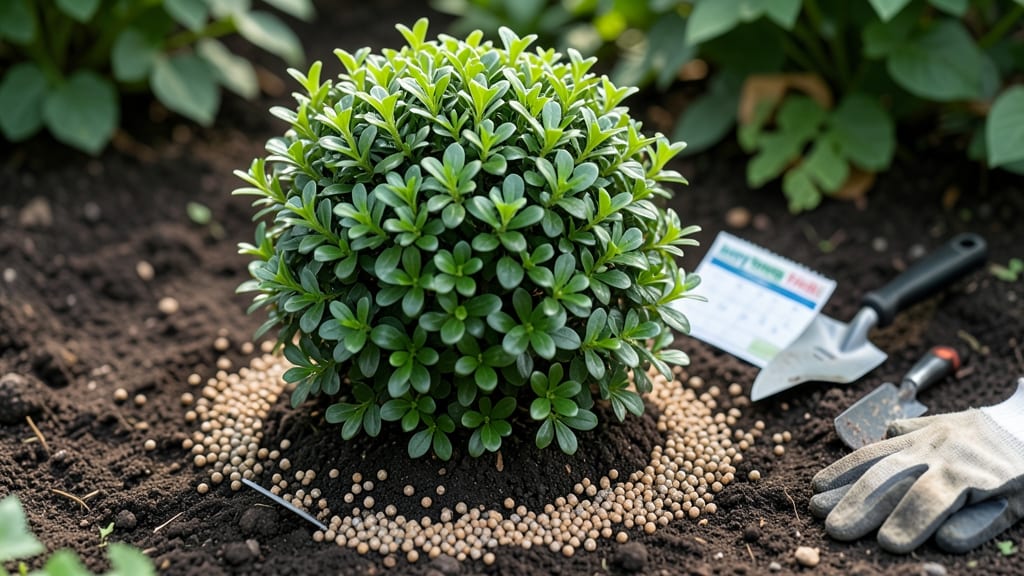
Fertilizing your shrubs in Zone 7 at the right time 🌿 can transform them from lackluster to lush overnight—but get it wrong, and you’ll end up with burned roots or wasted nutrients.
Timing your shrub fertilization in Zone 7 can mean the difference between vibrant blooms and struggling growth—get it wrong, and you risk burning roots or wasting nutrients. But when exactly should you feed your shrubs for peak health?
Most gardeners swear by early spring, right after the last frost, when shrubs wake up hungry. But there’s also a smart late-summer trick to prep them for winter, and skipping it could leave your plants weak when cold hits.
Below, I’ll break down the exact months to fertilize, how to pick the right type for your shrubs, and why evergreens and deciduous plants need different schedules—no guesswork, just stronger growth.
Best times to fertilize shrubs in Zone 7: spring vs. fall schedule
In Zone 7, where mild winters and hot summers create unique growing conditions, timing your shrub fertilization can make or break their health. Fertilizing at the wrong time—like mid-summer or late fall—can stress plants or leave nutrients unused.
The key is feeding shrubs when they’re actively growing but before extreme heat or dormancy sets in.
Deciduous shrubs like hydrangeas and azaleas thrive with early spring feeding, while evergreens such as boxwoods benefit from a late-summer boost. Zone 7’s 185 frost-free days mean we’ve got a narrow window for optimal nutrient uptake, so let’s break down the best times to fertilize for each type.
Why timing matters: Fertilizers work best when roots are actively growing. In spring, shrubs need nutrients to fuel new leaves and blooms, while fall feeding can encourage tender growth that won’t survive winter. Evergreens, however, have a different schedule—they grow year-round in Zone 7’s mild climate.
| Shrub Type | Best Fertilization Time | Why This Timing? | Zone 7 Adjustments |
|---|---|---|---|
| Deciduous (e.g., lilacs, roses) | Early spring (March–April) | Promotes new growth before blooming | Avoid late spring to prevent summer stress |
| Evergreen (e.g., boxwoods, holly) | Late summer (August) | Supports root growth before winter | Skip fall feeding—evergreens stay active longer |
| Blooming shrubs (e.g., azaleas, hydrangeas) | Early spring + late spring (May) | Encourages vibrant flowers and foliage | Use slow-release fertilizer to avoid summer burn |
| Newly planted shrubs | Spring + fall (September) | Boosts root establishment | Light feeding only—avoid overloading roots |
For deciduous shrubs, the golden window is early spring (March–April) right after the last frost. This timing aligns with their natural growth cycle, giving them the nutrients they need to push out fresh leaves and prepare for blooming season.
A second feeding in late spring (May) can help sustain flowering, but avoid fertilizing after June to prevent tender new growth before winter.
Evergreens, on the other hand, have a different rhythm. Since they stay green year-round in Zone 7’s mild climate, they benefit from a late summer feeding (August) to support root development before winter.
Skip fall fertilization entirely—it can stimulate weak growth that won’t survive cold snaps. Instead, focus on mulching to protect roots.
Pro tip: Test your soil before fertilizing. Zone 7 soils often lack organic matter, so amend with compost first. If your soil is already nutrient-rich (pH 6.0–7.0), a light feeding with a balanced 10-10-10 fertilizer is ideal. For acidic-loving plants like azaleas, use a low-pH fertilizer instead.
If you’re unsure about your shrubs’ needs, observe their growth patterns. Yellowing leaves or stunted growth may signal nutrient deficiencies, while dark green but sparse foliage could mean over-fertilization. Adjust your schedule accordingly—Zone 7’s unpredictable weather (hot summers, mild winters) means flexibility is key.
Remember, less is more in Zone 7. Over-fertilizing in summer can lead to fertilizer burn or attract pests like aphids. Stick to the schedule, water deeply after applying fertilizer, and watch your shrubs thrive with minimal stress.
For a foolproof approach, mark your calendar for March 15 (early spring) and August 1 (late summer) as your fertilization deadlines. This timing ensures your shrubs get the nutrients they need without risking winter damage or summer stress.
How to choose the right fertilizer for Zone 7 shrubs (type & application)
Selecting the right fertilizer for your Zone 7 shrubs depends on their growth stage and nutrient needs. In Zone 7, where mild winters and warm summers create ideal growing conditions, the wrong fertilizer can lead to burned roots or wasted nutrients.
Start by testing your soil—most Zone 7 shrubs thrive with a balanced 10-10-10 NPK ratio, but evergreens like boxwoods or holly may need more phosphorus for root strength.
For most shrubs, I recommend a slow-release granular fertilizer in early spring, just as new growth emerges. These fertilizers provide steady nutrients over 3–6 months, reducing the risk of overfeeding.
If your shrubs are flowering varieties like azaleas or hydrangeas, opt for a higher-phosphorus blend (e.g., 10-20-10) to encourage blooms. Always water deeply after applying to help nutrients reach the roots.
Organic vs. synthetic? Organic options like composted manure or fish emulsion improve soil health over time, while synthetic fertilizers deliver quick results. For established shrubs, I often mix both—using organic amendments in fall to rebuild soil and synthetic granules in spring for a growth boost.
| Shrub Type | Best Fertilizer | Application Time | NPK Ratio |
|---|---|---|---|
| Deciduous (e.g., lilacs, roses) | Slow-release granular | Early spring | 10-10-10 |
| Evergreen (e.g., boxwood, holly) | Organic (compost/manure) | Fall or early spring | 5-10-5 |
| Flowering (e.g., azaleas, hydrangeas) | Liquid bloom booster | Late spring (post-bloom) | 10-20-10 |
| Newly planted shrubs | Balanced starter fertilizer | Planting time + 6 weeks later | 5-5-5 |
Avoid fertilizing dormant shrubs in late fall or winter—this can stimulate weak growth that won’t survive cold snaps. In Zone 7, where winters are mild but frosts occur, stop fertilizing by mid-October to give roots time to harden off.
For foliar feeding (spraying fertilizer on leaves), use liquid options like seaweed extract in early summer to boost resilience during heatwaves.
Pro tip: Mix 1–2 tablespoons of fertilizer into the top 2–3 inches of soil for each shrub, then water thoroughly. For large shrubs, split the dose into two applications—once in early spring and again in late spring. Always follow package instructions, as overapplication can harm your shrubs more than underfeeding.
If your shrubs show signs of stress—like yellowing leaves or stunted growth—pause fertilizing and focus on improving soil moisture and drainage. In Zone 7’s heat, even the best fertilizer won’t help if roots are struggling to absorb nutrients. 🌿