
Shrubs
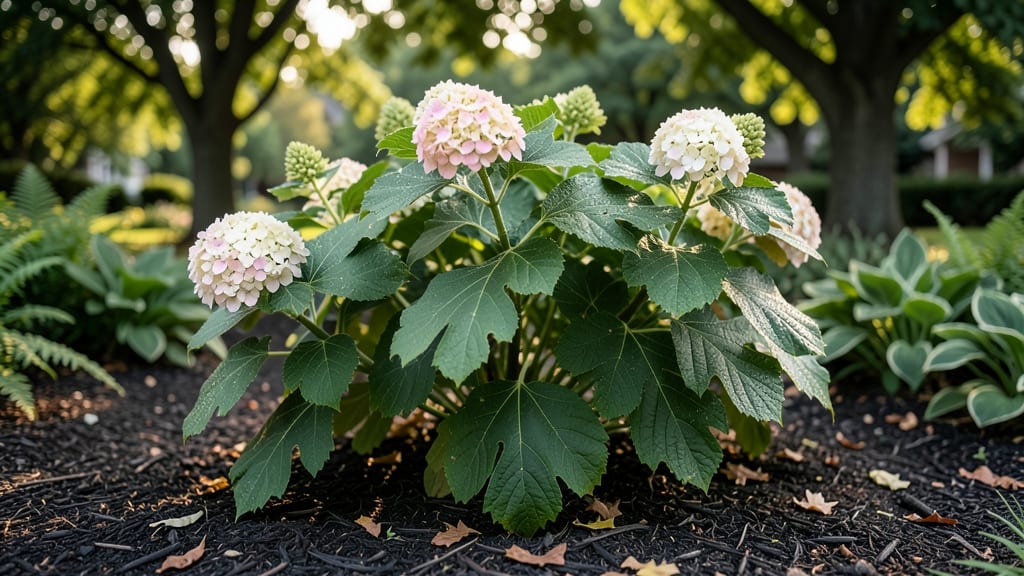
Zone 8 shade gardens don't have to mean boring borders—my top 5 shade-tolerant shrubs bring lush privacy and color without demanding sunlight. 🌿 These plants thrive where others wilt, offering year-round structure with minimal fuss.
The key is choosing varieties that match your specific shade conditions, from dappled light to deep shade under trees.
Most of these shrubs handle partial to full shade beautifully, but they still need 4-6 hours of filtered light for best growth. Soil prep matters too—amend heavy clay with compost to improve drainage, and mulch annually to keep roots cool.
My favorite for quick privacy? Dwarf Fothergilla—it bursts with fragrant spring blooms and fiery fall foliage, staying compact enough for small yards.
Once established, these shrubs need almost no care beyond seasonal pruning and occasional watering. Hydrangeas reward you with bold blooms, boxwoods stay neatly trimmed year-round, and inkberry holly provides wildlife-friendly berries. The payoff? A lush, low-maintenance backdrop that stays vibrant through all four seasons—even in the shadiest spots.
Whether you're filling a dark corner or creating a living privacy screen, these shrubs adapt to Zone 8's heat and humidity. Start with 3-5 plants spaced 3-5 feet apart for a natural, full look within a year. The best part? You'll spend more time admiring them than working on them.
📚 In This Guide
- What you need
- Instructions
- Tips and common mistakes
- Wrapping up and next steps
What you need
- ● Shade-tolerant shrubs (Zone 8 hardy): 3–5 mature shrubs (e.g., Oakleaf Hydrangea, Dwarf Fothergilla, or Inkberry Holly)
- ● 10–15 young shrubs (for faster coverage)
- ● High-quality potting soil or compost: 5–10 cubic feet (mix with native soil if planting in-ground)
- ● Organic mulch: 2–3 bags (pine bark or shredded leaves to retain moisture)
- ● Slow-release fertilizer: 1–2 lbs (10-10-10 or balanced formula for shrubs)
- ● Garden trowel or spade (for digging holes)
- ● Pruning shears (sharp, sterilized)
- ● Garden hose or watering can (with a spray nozzle)
- ● Measuring tape (to space plants 3–6 ft apart, depending on variety)
- ○ Gloves (optional but recommended for thorny shrubs like holly)
- ● Plant stakes or labels (to track varieties)
- ● Epsom salt (for magnesium boost, especially for hydrangeas)
- ● Drip irrigation kit (for automated watering)
- ● Soil pH test kit (to ensure acidity/alkalinity matches shrub needs)
Step-by-Step guide to planting shade-tolerant shrubs in Zone 8
Here’s how to create a lush, low-maintenance privacy screen that thrives in shady spots.
🌱 Step 1: Select the Right Shrubs for Your Space
Zone 8’s shade-tolerant shrubs include inkberry holly (Ilex glabra), dwarf fountain grass (Pennisetum alopecuroides), Japanese pieris (Pieris japonica), and rhododendrons (Rhododendron spp.). Choose plants with mature heights of 3-6 feet for balanced privacy without overwhelming your space. Inkberry holly, for example, grows 6-10 feet tall but stays dense, while dwarf fountain grass adds texture at 2-3 feet.
Check your shade type—deep shade (under trees) favors rhododendrons, while partial shade (morning sun, afternoon shade) suits inkberry holly. Avoid shrubs labeled "sun-loving" like boxwood or lilacs—they’ll struggle and yellow in low light. Always verify the USDA Zone 8 range on the tag or plant database.
🪴 Step 2: Prepare the Planting Site for Optimal Growth
Dig holes twice as wide as the root ball but only as deep. This prevents root suffocation and encourages outward growth. Amend the native soil with 3 inches of organic matter (compost or peat moss) mixed into the bottom of each hole. Zone 8’s clay-heavy soils often compact, so this step improves drainage and aeration.
Space shrubs 3-5 feet apart for mature width. Inkberry holly, for instance, spreads 4-6 feet wide, while rhododendrons need 5-6 feet to prevent root competition. Mark planting spots with stakes to avoid overcrowding—shrubs planted too close will compete for light and nutrients, stunting growth.
☀️ Step 3: Plant and Water for Immediate Establishment
Remove the shrub from its container and loosen the roots if they’re circling. Place it in the hole so the top of the root ball sits level with the surrounding soil—never bury the stem. Backfill with native soil mixed with your amended organic matter, pressing gently to eliminate air pockets. A 1-inch layer of mulch (pine straw or shredded bark) retains moisture and regulates soil temperature.
Water deeply until moisture reaches 6 inches down, then repeat weekly for the first month. Zone 8’s summer heat can dry soil quickly, but overwatering causes root rot. Use a soaker hose to deliver water slowly at the base—avoid overhead sprinklers, which can spread fungal diseases in dense foliage. After watering, check soil moisture with your finger; it should feel damp but not soggy.
✂️ Step 4: Prune and Maintain for Year-Round Privacy
Prune late winter or early spring (February-March in Zone 8) to shape shrubs before new growth begins. Remove dead or crossing branches first, then trim back overgrown stems by ⅓ of their length to encourage bushier growth. Inkberry holly benefits from light annual pruning to maintain density, while rhododendrons only need pruning if they outgrow their space.
Fertilize once in early spring with a balanced, slow-release fertilizer (10-10-10) to support new growth. Avoid high-nitrogen fertilizers—they promote leafy growth at the expense of flowers (if your shrubs bloom). Monitor for pests like spider mites (common in dry shade) or scale insects, treating with neem oil if needed. A healthy shrub in Zone 8’s shade will require minimal intervention once established.
⏰ Step 5: Seasonal Care for Long-Term Success
In summer, water once a week unless rainfall exceeds 1 inch. Zone 8’s humidity can suffocate roots if soil stays too wet. In fall, add a 2-inch layer of mulch to insulate roots from temperature swings. For winter, protect young shrubs (under 3 years old) with a light burlap wrap if temperatures dip below 20°F—though most Zone 8 shade shrubs are hardy to 10°F.
By year two, your shrubs should fill in completely, providing year-round privacy with minimal care. The key is consistent moisture in the first growing season and annual pruning to maintain shape. Avoid the temptation to over-fertilize—shade-tolerant shrubs thrive on patience and steady conditions, not heavy feeding.
Tips & tricks for planting shade-tolerant shrubs in Zone 8
These practical strategies will help you avoid common pitfalls and create a thriving privacy screen that requires minimal upkeep.
Selection Strategy: When choosing between inkberry holly and rhododendrons, consider their growth habits during Step 1. Inkberry holly's dense foliage makes it ideal for tall privacy screens, while rhododendrons offer beautiful blooms in spring. For mixed shade areas, Japanese pieris provides year-round interest with its evergreen leaves and spring flowers. Always verify the specific variety's mature height matches your privacy needs—some inkberry holly varieties can reach 12 feet while others stay under 6 feet.
Soil Preparation Insight: In Step 2, don't overlook the importance of that 3-inch layer of organic matter. For Zone 8's clay-heavy soils, I recommend mixing in equal parts compost and peat moss to improve both drainage and moisture retention. This amendment helps prevent the common issue of waterlogged roots while still providing essential nutrients. A soil test before planting can reveal if additional amendments like sulfur or lime are needed to adjust pH levels for acid-loving rhododendrons.
Watering Wisdom: The deep watering technique in Step 3 is crucial for establishing your shrubs. I've found that using a moisture meter to verify 6 inches of moisture penetration is more reliable than guessing. For newly planted shrubs, I recommend watering in the early morning to reduce evaporation and prevent fungal diseases. Mulch placement matters too—keep it 2 inches away from the stem to prevent rot while still protecting roots from temperature extremes.
Pruning Precision: When following Step 4's pruning instructions, remember that the ⅓ reduction rule applies to new growth only. For established shrubs, you can remove up to ⅓ of the total foliage volume during late winter pruning. Always use sharp, clean pruners to make cuts just above a leaf node or bud. This encourages healthy regrowth and maintains the shrub's natural shape. For inkberry holly, I recommend pruning after flowering to maintain its dense form.
Pro Tips for Shade Shrubs Zone 8
- These practical strategies will help you avoid common pitfalls and create a thriving privacy screen that requires minimal upkeep.
- Selection Strategy: When choosing between inkberry holly and rhododendrons, consider their growth habits during Step 1.
- Soil Preparation Insight: In Step 2, don't overlook the importance of that 3-inch layer of organic matter.
Frequently asked questions
Got questions about shade shrubs in Zone 8? You’re not alone! Here are some of the most common queries—and their practical solutions—to help you pick and maintain the perfect low-light shrubs for your space.
What are the best shade-tolerant shrubs for full shade in Zone 8?
Top picks include Oakleaf Hydrangea (for vibrant blooms), Dwarf Fothergilla (fragrant foliage), and Japanese Holly (evergreen structure). For year-round interest, Boxwood or Pieris are excellent. Focus on shrubs that thrive in 4+ hours of shade daily.
When is the best time to plant shade shrubs in Zone 8?
Plant in early spring or fall (March–April or September–October) when soil is moist but not frozen. Avoid summer heat or winter cold, which stress roots. Pro tip: Water deeply after planting and mulch to retain moisture.
Can I grow shade shrubs in containers in Zone 8?
Yes! Choose compact varieties like Dwarf Gardenia or Creeping Fig. Use well-draining pots (at least 12" deep) and a rich, acidic potting mix. Move containers to partial shade if leaves yellow—this often signals too much sun or poor drainage.
Why are my shade shrubs losing leaves in Zone 8?
Common culprits include overwatering (root rot), underwatering (drought stress), or pests like spider mites. Check soil moisture and inspect leaves for webs or discoloration. Fix it: Adjust watering and spray leaves with neem oil if pests are present.
How do I add color to a shady area without sunlight-loving plants?
Opt for colorful foliage like Heuchera (purple/chartreuse leaves) or Coral Bells, plus blooming shrubs like Azalea (spring) or Camellia (winter). For year-round pops, variegated Boxwood or Dwarf Schefflera add texture and contrast.
Wrapping up and next steps
Transforming your Zone 8 garden into a lush, private retreat is easier than you think! With the right shade-tolerant shrubs, you can enjoy year-round beauty and tranquility while keeping maintenance simple.
Whether you’re lining a fence, softening a shady corner, or adding texture to your landscape, these low-light champions deliver big impact with minimal fuss.
Ready to take the next step? Sketch a rough layout of your space, then pick 2-3 shrubs from our list to start small—experimenting with colors and heights will make your garden uniquely yours. Happy planting! 🌿✨