
Shrubs
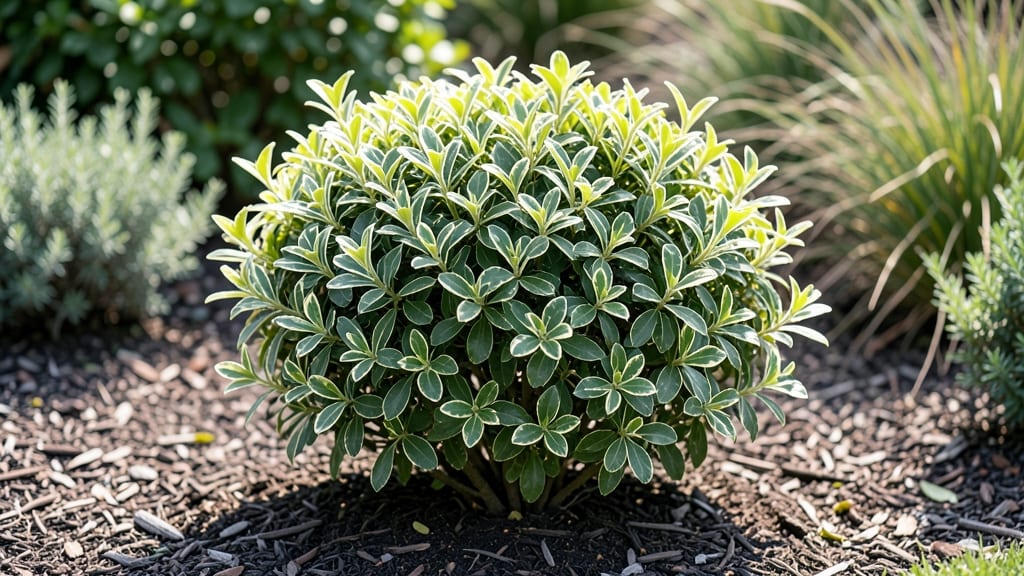
Variegated boxwood shrubs bring elegant, year-round color with almost no fuss—just the right spot and a little patience. 🌿 I've grown them for years, and their glossy green-and-cream foliage stays vibrant even in winter, making them the perfect low-maintenance shrub for hedges, borders, or containers.
The secret lies in their adaptability: they thrive where other shrubs struggle, and their dense growth naturally repels pests. You'll need well-draining soil, 4-6 hours of morning sun, and consistent moisture during their first year.
Once established, they handle drought surprisingly well, though their edges stay crispest with regular watering. Prune lightly after flowering to maintain shape—just snip back any leggy growth to encourage bushier, fuller foliage. The key is avoiding heavy pruning, which can strip away their signature variegation.
By summer, your shrubs will reward you with lush, uniform color and a polished look that needs little more than an occasional trim. They even handle urban pollution better than many shrubs, making them ideal for city gardens. The only real challenge?
Boxwood blight—prevent it with proper spacing and avoiding overhead watering. For best results, plant in early spring or fall when temperatures are mild. Whether you're shaping a formal hedge or adding texture to a mixed border, these shrubs deliver effortless elegance with minimal upkeep. Let's get yours thriving!
📚 In This Guide
- What you need
- Instructions
- Tips and common mistakes
- Wrapping up and next steps
What you need
- ● Variegated boxwood plants: 1–3 nursery-grown shrubs (choose Buxus sempervirens ‘Variegata’ or similar cultivars).
- ● Well-draining potting mix: 5–10 gallons (for containers) or amend garden soil with compost (for in-ground planting).
- ● Organic mulch: 2–3 inches of pine bark, shredded leaves, or cypress mulch to retain moisture.
- ● Slow-release fertilizer: 10-10-10 or balanced organic fertilizer (e.g., 1 lb per 100 sq ft).
- ● Pruning shears: Bypass pruners with sharp, stainless-steel blades (for clean cuts).
- ● Gloves: Heavy-duty gardening gloves (boxwood leaves can be prickly!).
- ● Garden trowel or spade: For digging holes (12–18" wide/deep for each shrub).
- ● Watering can or hose with nozzle: Drip irrigation is ideal for consistent moisture.
- ○ Plant support (optional): Stakes or cages for young shrubs in windy areas.
- ● Fungicide (preventative): Copper-based spray for powdery mildew (if in humid climates).
- ● String lights or decorative accents: To highlight your shrubs year-round! ✨
Step-by-Step guide to planting and caring for variegated boxwood shrubs
Here's how to establish healthy, lush variegated boxwoods that keep their striking foliage year-round.
🪴 Step 1: Select the Perfect Planting Location
Variegated boxwoods thrive in partial shade to full sun, but their golden edges will scorch in hot afternoon sun—especially in southern climates. I always plant mine where they get morning sun and afternoon shade from nearby trees or structures. The ideal spot also has well-draining soil to prevent root rot, which is their biggest enemy.
Check the area for competition—boxwoods hate fighting with aggressive roots. Dig a hole twice as wide as the root ball but only as deep as the container's base. Loosen the edges of the hole with a shovel to encourage root spread. If your soil is heavy clay, amend it with 2-3 inches of compost mixed into the bottom of the hole.
☀️ Step 2: Plant at the Right Depth and Water Thoroughly
Remove the plant from its container and gently tease apart any circled roots at the bottom—this prevents girdling as the roots expand. Place the boxwood in the hole so the top of the root ball sits level with the surrounding soil (never deeper). Variegated types are particularly sensitive to being buried too deep, which can suffocate the plant.
Backfill with native soil, pressing lightly to eliminate air pockets. Water deeply until moisture reaches 6 inches down—you'll know it's enough when water pools on the surface and drains away. Mulch with 2-3 inches of shredded bark (keep it 3 inches away from the stem) to retain moisture and protect roots from temperature swings. Here's the thing—mulch too close to the trunk and you'll invite rot.
💧 Step 3: Establish a Consistent Watering Routine
Newly planted boxwoods need 1 inch of water per week for the first two growing seasons. Water deeply but infrequently—this encourages deep root growth. I check moisture by sticking my finger 2 inches into the soil; if it feels dry, that's your signal to water. Overhead watering can cause fungal issues, so use a soaker hose or drip irrigation placed at the base.
Variegated boxwoods are drought-tolerant once established, but they won't recover from prolonged dry spells. If leaves start turning brown at the edges, it's a sign of underwatering. In extreme heat, you might need to water twice weekly—just monitor the soil surface for dryness. Avoid wetting the foliage, especially in humid conditions, to prevent powdery mildew.
✂️ Step 4: Prune for Shape and Health Twice a Year
Prune boxwoods lightly in early spring (just after new growth appears) and again in late summer to maintain their shape. I use clean, sharp bypass pruners to make cuts at a 45-degree angle just above a leaf node. Never remove more than one-third of the plant's volume in a single season—this stresses the shrub and can lead to dieback.
For variegated types, focus on balancing the variegation—if one side looks duller, prune back some of the green growth to encourage more golden foliage. After pruning, apply a balanced fertilizer (10-10-10) in early spring to support new growth. If you see yellowing leaves, it's often a sign of over-fertilizing—boxwoods prefer lean soil and too much nitrogen can burn their roots.
🌿 Step 5: Protect and Maintain for Long-Term Beauty
Boxwoods are deer-resistant, but rabbits and voles may still nibble on young plants. I wrap the lower stems with hardware cloth for the first year if pests are a problem in your area. In winter, apply 3-4 inches of mulch around the base to insulate roots from freeze-thaw cycles. Variegated types are slightly less cold-hardy than solid green ones, so in Zone 6 or colder, give them extra protection.
Watch for boxwood blight, a fungal disease that causes dark spots on leaves. Remove infected leaves immediately and sterilize your pruners with rubbing alcohol between cuts. If you notice yellowing between veins, it could be boxwood leafminer—treat with neem oil as a preventive spray in early spring. With proper care, your variegated boxwoods will reward you with year-round color and texture for decades.
Tips & tricks for perfect variegated boxwood shrubs
Here's what nobody tells you about keeping those golden edges vibrant and your boxwoods thriving for years.
Soil Test First: Before planting, test your soil's pH—variegated boxwoods prefer a slightly acidic range of 5.5 to 6.5. If your soil is alkaline, mix in sulfur or peat moss during planting to create the ideal growing conditions. I've seen plants struggle in neutral soil, even when all other care was perfect. The golden variegation fades when the plant stresses from improper pH.
Root Ball Prep: When removing your boxwood from its container, soak the root ball in water for 10-15 minutes before teasing apart the roots. This makes the roots more pliable and reduces transplant shock. I also recommend wrapping the root ball in a burlap sack if you're moving it any distance—it helps maintain moisture and protects delicate roots. Just remember to remove the burlap before planting.
Watering Secret: The 1 inch per week guideline is perfect for most climates, but in containers, you'll need to water every 2-3 days in summer. Container-grown boxwoods dry out much faster than in-ground plants. I check moisture by lifting the pot—if it feels light, it's time to water. For potted variegated boxwoods, use a well-draining mix with 30% perlite or sand to prevent root rot.
Pruning Precision: When balancing variegation in Step 4, use a hand lens to identify leaf nodes where green growth is denser. These are the spots to prune back slightly. I've found that variegated boxwoods respond best to gradual shaping over 3 years rather than aggressive pruning. The golden edges will naturally spread as you encourage new growth from the center of the plant.
Pro Tips for Variegated Boxwood Shrubs
- Here's what nobody tells you about keeping those golden edges vibrant and your boxwoods thriving for years.
- Soil Test First: Before planting, test your soil's pH—variegated boxwoods prefer a slightly acidic range of 5.5 to 6....
- Root Ball Prep: When removing your boxwood from its container, soak the root ball in water for 10-15 minutes before t...
Frequently asked questions
Got questions about variegated boxwood shrubs?
Here are answers to the most common ones to help you grow these stunning, low-maintenance plants with confidence!
How often should I water variegated boxwood shrubs?
Water them deeply but infrequently—about 1-2 times per week in dry spells, depending on your climate. Once established (after 1-2 years), they’re drought-tolerant! Check soil moisture 2-3 inches down; if dry, it’s time to water. Mulch helps retain moisture and regulate temperature.
When is the best time to prune variegated boxwood?
Prune in late winter or early spring (before new growth starts) to shape and encourage fullness. Avoid heavy pruning in fall—it can stress the plant. For light shaping, prune anytime, but never cut into old wood (brown stems), as it won’t regrow. Use clean, sharp shears!
What pests or diseases should I watch for with variegated boxwood?
Common issues include boxwood leafminers (tiny white worms) and boxwood blight (brown spots). For leafminers, spray with neem oil or insecticidal soap. Blight? Remove infected leaves and avoid overhead watering. Good airflow and resistant varieties (like ‘Green Velvet’) help prevent problems.
Can variegated boxwood handle full sun or do they prefer shade?
They thrive in partial shade (4-6 hours of sun/day) but tolerate morning sun in hot climates. In full sun, leaves may scorch—look for yellowing or browning edges. For sunnier spots, choose more sun-tolerant varieties like ‘Winter Gem’ or provide afternoon shade.
Are there any alternatives to variegated boxwood for low-maintenance hedges?
Yes! Try these low-maintenance, evergreen options:
- Dwarf English Holly – Spiky, glossy, and deer-resistant.
- Emerald Green Arborvitae – Fast-growing and cold-hardy.
- Dwarf Gardenia – Fragrant but needs slightly more care.
- Inkberry Holly – Native, disease-resistant, and great for wet soil.
Wrapping up and next steps
Variegated boxwood shrubs bring year-round elegance and low-maintenance beauty to any landscape—whether you’re a seasoned gardener or just starting out! 🌿 Their striking foliage, adaptability, and resilience make them a standout choice for hedges, borders, or even container gardening.
With the right care (sunlight, soil, and occasional pruning), you’ll enjoy lush, vibrant greenery that thrives with minimal fuss.
Ready to transform your outdoor space? Start small: pick a sunny spot, grab your shears, and plant one (or a dozen!) this season. Watch as your garden becomes a showstopper—one variegated boxwood at a time!