
Shrubs
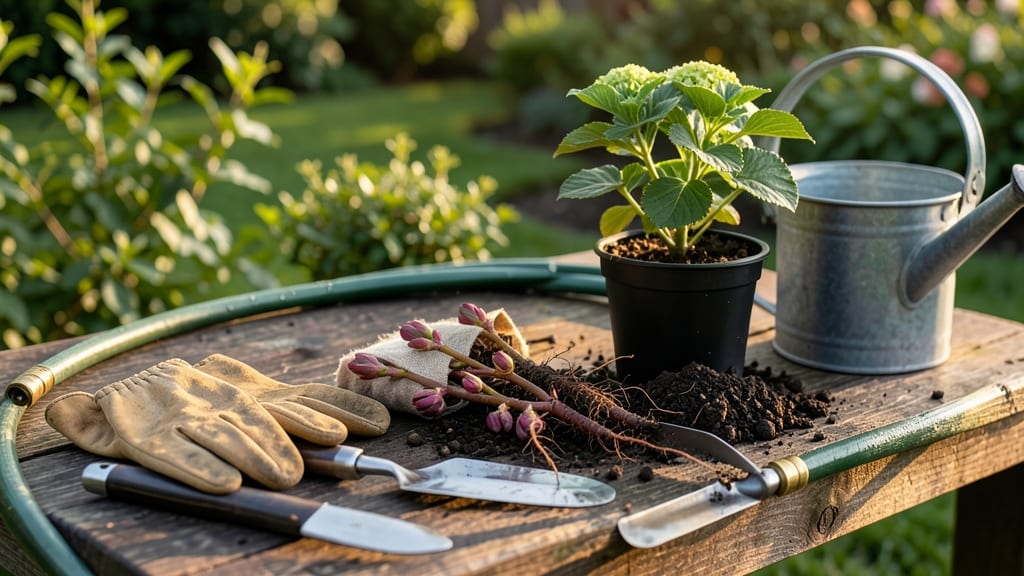
Planting shrubs in Zone 6 at the right time ensures strong root growth and thrives for years—so timing is everything.
If you’ve ever watched a shrub struggle after a late frost or wilt in summer heat, you know how much the wrong timing can backfire. In Zone 6, the window is narrow but precise: spring after last frost or fall 4-6 weeks before first frost.
Deciduous shrubs like hydrangeas love early spring planting, while evergreens often prefer fall’s cooler soil. The key is soil temperature—wait until it hits 50-60°F—and moisture levels that keep roots happy without drowning them.
Below, I break down the best months by shrub type, soil prep secrets, and how to tell if you’re planting too early or too late. No more guesswork—just strong, healthy shrubs that grow like they mean it.
Best planting windows for shrubs in Zone 6 by type
In Zone 6, the difference between a thriving shrub and a struggling one often comes down to planting timing. While many gardeners assume spring is the only option, fall planting offers unique advantages for root establishment before winter dormancy.
The key is understanding how deciduous vs. evergreen shrubs respond to seasonal changes and adjusting your schedule accordingly.
For deciduous shrubs like hydrangeas or lilacs, early spring planting (after the last frost, typically mid-April) gives roots time to establish before summer heat. However, evergreen shrubs such as boxwoods or rhododendrons prefer fall planting (4-6 weeks before first frost) to avoid transplant shock during hot summer months.
Let’s break down the best windows by type to maximize success.
If you’re planting deciduous shrubs in spring, aim for mid-April to early May in Zone 6. This window ensures the soil has warmed enough (ideally 50-60°F) to prevent root rot while avoiding the heat stress of summer.
For example, hydrangeas planted in late May might struggle to establish before the first heatwave hits.
For evergreen shrubs, fall planting (late September to early October) gives roots time to grow before winter dormancy. Boxwoods and rhododendrons benefit from this timing because cooler temperatures reduce moisture loss, and the shrubs won’t face summer’s intense heat.
Pro tip: Water deeply after planting to encourage root spread before the ground freezes.
Bare-root shrubs deserve special attention. These dormant plants should be planted as soon as you receive them in early spring or late fall. Soak the roots for 1-2 hours before planting to rehydrate them.
In Zone 6, this means March or October timing for best results. Container-grown shrubs, however, offer more flexibility—plant them anytime except winter, though spring and fall still provide the best outcomes.
One common mistake is planting shrubs too early in spring when the soil is still cold or too late in fall when frost is imminent. Evergreens planted in late fall may not recover if a freeze hits before roots establish.
Similarly, deciduous shrubs planted in late summer can wilt under Zone 6’s summer heat. Always check your local frost dates and adjust accordingly.
To extend your planting window, consider using mulch to insulate roots in early spring or late fall. A 2-3 inch layer of organic mulch (like shredded bark) helps regulate soil temperature and retain moisture. This is especially useful for newly planted shrubs that need extra protection during transitional seasons.
Finally, don’t overlook microclimates in your garden. A south-facing slope may warm up faster in spring, while a north-facing area could stay cooler longer. Adjust your planting timeline based on these local conditions.
For instance, if your yard stays frost-free until May, you might safely plant deciduous shrubs a week later than neighbors in cooler microclimates.
By aligning your planting schedule with these Zone 6 guidelines, you’ll give your shrubs the best chance to thrive. Whether you’re adding colorful hydrangeas or evergreen privacy screens, timing is everything for a lush, low-maintenance landscape. 🌿
Zone 6 soil temperature and moisture requirements for shrub planting
Getting your soil temperature and moisture levels right is the secret to thriving shrubs in Zone 6. Most shrubs need soil between 50-60°F to kickstart root growth, but checking isn't as simple as guessing—your microclimate plays a huge role.
For example, a north-facing slope stays cooler longer than a south-facing bed, which can dry out faster. I always test soil with a soil thermometer at 3-4 inches deep before planting.
Moisture is just as critical—well-draining but consistently damp soil prevents root rot while giving new shrubs the hydration they need. Overwatering in Zone 6's humid summers can suffocate roots, while underwatering stresses them during dry spells.
I aim for soil that feels like a wrung-out sponge: moist but not soggy. Mulching with 2-3 inches of organic mulch helps retain moisture and regulate temperature.
| Factor | Ideal Condition | Check Method |
|---|---|---|
| Soil Temperature | 50-60°F (10-15°C) | Soil thermometer (3-4" deep) |
| Moisture Level | Consistently damp (not soggy) | Squeeze soil—should hold shape but crumble |
| pH Level | 5.5-7.0 (varies by shrub) | pH test kit or soil lab |
| Microclimate | Adjust timing 1-2 weeks earlier in cooler spots | Observe local frost patterns |
| Organic Matter | 3-5% (amend with compost) | Dig a 6" deep hole—should look dark and crumbly |
Timing matters just as much as conditions. Spring planting (after last frost) gives shrubs 6-8 weeks of warm soil before summer heat, while fall planting (4-6 weeks before first frost) lets roots establish before winter dormancy.
I always adjust for my Zone 6a vs. 6b—6a's cooler temps mean I plant hydrangeas and azaleas 1-2 weeks later than spirea or butterfly bush, which tolerate warmer soil.
Don't overlook microclimate factors like wind exposure or urban heat islands. A shrub in a protected corner may be ready weeks before one in an open, windy area. I test soil in multiple spots—especially if my yard has slopes or buildings that affect temperature.
For example, a south-facing wall can create a microclimate 5-10°F warmer than the rest of the garden, perfect for heat-loving shrubs like potentilla or smoke bush.
After planting, I monitor soil moisture closely. New shrubs need 1-2 gallons of water per week (more in summer), applied deeply to encourage deep root growth. A drip irrigation system or soaker hose keeps moisture consistent without wetting foliage—critical for preventing fungal diseases in Zone 6's humid summers.
I always water in the early morning to reduce evaporation and give roots time to absorb moisture before evening.
Remember, evergreens like boxwoods need slightly different care—they prefer slightly cooler soil (50-55°F) and consistent moisture year-round. Deciduous shrubs like serviceberry or elderberry are more forgiving but still benefit from well-prepared soil.
The key is patience: let roots establish before pushing growth with fertilizer. With the right soil conditions, your shrubs will thrive for years.