
Flowers
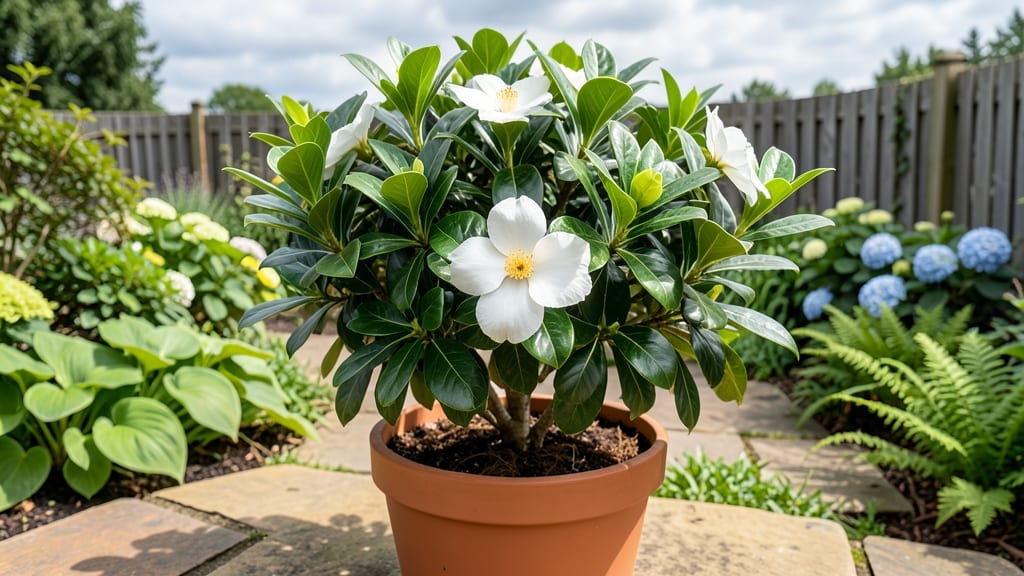
This gardenia frostproof shrub with white flowers is the secret weapon of fragrant gardens. 🌿 I’ve grown these frost-resistant varieties for years, and they’ve never failed to deliver those intoxicating white blossoms even when temperatures dip.
The key isn’t just choosing the right cultivar—it’s mimicking their tropical roots in cooler climates.
You’ll need well-draining soil with a touch of acidity (think pine bark or peat moss), a spot that gets morning sun and afternoon shade, and consistent moisture—never soggy roots.
Varieties like Gardenia jasminoides ‘Radicans’ or Gardenia augusta ‘Kleim’s Hardy’ handle temperatures down to 20°F with the right protection, like mulch and winter wraps. Prune lightly after blooming to encourage next year’s flowers.
By spring, you’ll have glossy evergreen leaves and clusters of snow-white, 4-inch blooms that perfume the air for weeks. The fragrance alone makes it worth the effort—imagine stepping into a garden that smells like a tropical paradise, even in chilly zones.
Just avoid heavy pruning in fall, which can stress the plant before winter.
Works beautifully in containers for patios or as a focal point in mixed shrub borders. The only real mistake? Skipping the winter prep—these shrubs reward patience with year-round interest and that signature gardenia perfume. Let’s get yours thriving!
📚 In This Guide
- What you need
- Instructions
- Tips and common mistakes
- Wrapping up and next steps
What you need
- ● Cold-hardy gardenia shrub: Choose a frost-resistant variety like Gardenia jasminoides 'Kleim's Hardy' or 'Radicans' (zones 7-9).
- ● Well-draining soil mix: 50% native soil + 50% organic matter (compost, peat moss, or coconut coir).
- ● Organic mulch: 2-3 inches of pine bark, wood chips, or shredded leaves (to insulate roots).
- ● Slow-release fertilizer: Acid-loving plant fertilizer (e.g., Miracle-Gro Azalea, Camellia & Rhododendron or 10-10-10 NPK).
- ● Garden trowel or shovel: For planting and soil amendments.
- ● Pruning shears: Sharp, clean shears for shaping and maintenance.
- ● Watering can or hose with a gentle spray nozzle: Gardenias hate soggy roots!
- ● pH test kit: To ensure soil pH is between 4.5–5.5 (gardenia’s sweet spot).
- ○ Burlap or frost cloth (optional but helpful): For extra winter protection in marginal zones.
- ● Epsom salt: 1 tablespoon per foot of shrub height (monthly in growing season for magnesium boost).
- ● Moss or pine needles: To top-dress soil and maintain acidity.
- ● Drip irrigation system: For consistent moisture without overwatering.
- ● Garden gloves: To protect hands while handling prickly mulch or thorns.
Step-by-Step guide to planting and caring for cold-hardy gardenias
Here's how to cultivate these fragrant, frost-resistant shrubs for year-round blooms.
🌱 Step 1: Select the Right Location and Soil
Choose a site with partial shade—morning sun with afternoon shade works best for cold-hardy gardenias. These shrubs tolerate 10-15°F but perform best where winter temps stay above 0°F. The soil must drain exceptionally well; gardenias hate soggy roots. Amend heavy clay with 3-4 inches of organic matter like composted leaves or pine bark fines to improve drainage.
Test your soil's acidity—gardenias thrive in pH 5.0-6.5. If your soil is alkaline, mix in 2-3 pounds of sulfur per 100 square feet and retest in 2-3 months. I always dig a hole twice as wide as the root ball to encourage outward root growth, which helps the plant establish faster in cooler climates.
☀️ Step 2: Plant at the Correct Depth and Spacing
Plant your frostproof gardenia in early spring when soil temperatures reach 60°F. Dig a hole 12-18 inches wide and deep enough to accommodate the root ball without bending roots. Position the shrub so the top of the root ball sits 1-2 inches above ground level—this prevents water from pooling around the stem during winter.
Space plants 6-8 feet apart to allow airflow, which reduces fungal diseases common in humid climates. Backfill with native soil mixed with 50% peat moss to maintain acidity. Water deeply immediately after planting to eliminate air pockets, then mulch with 2-3 inches of pine bark mulch to insulate roots and conserve moisture.
💧 Step 3: Water and Fertilize for Cold-Climate Success
Water newly planted gardenias 2-3 times per week for the first month, keeping soil evenly moist but not soggy. Once established, water deeply once weekly during dry spells, aiming for 1-1.5 inches of water per week. Cold-hardy varieties need consistent moisture to develop thick stems that withstand winter temperatures.
Fertilize in early spring with a balanced acid-loving plant fertilizer (10-10-10), then again in mid-summer with a high-phosphorus formula (7-9-5) to encourage blooming. I avoid high-nitrogen fertilizers—they produce lush foliage at the expense of flowers. In fall, apply a slow-release organic fertilizer to build root strength before winter.
✂️ Step 4: Prune for Winter Hardiness and Spring Blooms
Prune in late winter or early spring before new growth begins. Remove dead, diseased, or crossing branches first, then thin out crowded growth to improve airflow. Cut back leggy stems by one-third to encourage bushier growth. Never prune after mid-summer—new growth won't harden off before winter.
Shape the shrub to maintain an open center, which prevents moisture buildup that leads to fungal issues. Cold-hardy gardenias bloom on old wood, so avoid heavy pruning that removes last year's growth. After pruning, apply a 2-inch layer of mulch around the base to protect roots from freeze-thaw cycles.
⏰ Step 5: Winterize for Year-Round Survival
In areas with below 0°F temperatures, wrap the base of the shrub with burlap or frost cloth after the first hard freeze. This protects the root crown, which is most vulnerable to cold damage. Avoid heavy mulch piles—2-3 inches is sufficient to insulate without suffocating roots.
Water sparingly in winter if there's no snow cover, providing just enough moisture to prevent complete soil drying. Cold-hardy gardenias enter dormancy naturally, but consistent moisture helps them recover faster in spring. In Zone 6 and colder, consider planting near a south-facing wall for added winter protection from cold winds.
Tips & tricks for perfect frostproof gardenia planting
These cold-hardy beauties reward patience—here's how to set them up for success from day one.
Soil Prep Secret: The 3-4 inches of organic matter you add to heavy clay isn't just about drainage—it's about creating a sponge-like texture that holds moisture while preventing compaction. I like to mix in equal parts composted leaves and pine bark fines for that perfect balance of aeration and acidity. For alkaline soils, that 2-3 pounds of sulfur per 100 square feet needs time to work—don't rush the 2-3 month retesting period, or you might end up with pH swings that stress the plant.
Planting Depth Matters: Positioning the root ball 1-2 inches above ground level in Step 2 isn't just about winter protection—it's about preventing stem rot from spring rains. I've seen gardeners bury them too deep, and within weeks, the stems start rotting at the soil line. Pro tip: Use a level to check depth before backfilling, and always tap the soil gently after planting to eliminate air pockets that can suffocate roots.
Winter Protection Hacks: When wrapping with burlap or frost cloth in Zone 6+, focus on the root crown—this is where most cold damage occurs. I like to secure the wrap with landscape staples (not nails) and leave the top open to prevent moisture buildup. For extra insurance in extreme winters, add a 3-inch layer of straw mulch over the existing 2-3 inches of pine bark—this creates an insulating sandwich that keeps roots from freezing.
Fertilizer Timing: That 10-10-10 in early spring isn't just about feeding—it's about kickstarting growth when soil temps hit 60°F. I've found that applying it right after pruning (Step 4) gives roots a head start before the summer heat arrives. For the 7-9-5 mid-summer boost, split the dose into two applications—once in early July and again in early August—to prevent phosphorus burn that can scorch roots.
Pro Tips for Gardenia Frostproof Shrub With White Flowers
- These cold-hardy beauties reward patience—here's how to set them up for success from day one.
- Soil Prep Secret: The 3-4 inches of organic matter you add to heavy clay isn't just about drainage—it's about creating a sponge-like texture that holds moisture while preventing compaction.
- Planting Depth Matters: Positioning the root ball 1-2 inches above ground level in Step 2 isn't just about winter protection—it's about preventing stem rot from spring rains.
Frequently asked questions
Got questions about growing a frostproof gardenia shrub with those dreamy white blooms?
You’re not alone! Here are the most common queries—plus expert answers to keep your fragrant beauty thriving in colder climates.
Can gardenias really survive frost, or do I need to protect them?
Most frostproof gardenia varieties (like Gardenia jasminoides ‘Kleim’s Hardy’) tolerate light frosts down to 15–20°F (-9 to -7°C), but heavy freezes can damage leaves or buds. For extra safety, mulch the base with 3–4 inches of organic matter (like shredded bark) in fall. If temps drop below 10°F (-12°C), wrap the shrub in burlap or use a frost blanket.
When is the best time to plant a frostproof gardenia?
Plant in early spring or fall when soil temps are 60–70°F (15–21°C)—this gives roots time to establish before winter. Avoid planting in summer heat or deep winter, as roots struggle to adapt. If planting in fall, do it 6–8 weeks before the first frost to ensure root growth. Pro tip: Soak the root ball before planting to reduce transplant shock!
Why aren’t my gardenia flowers opening, even though it’s frostproof?
White gardenia blooms need full sun (6+ hours/day) and well-draining soil—shady spots or soggy roots can stunt flowers. Also, gardenias are light-sensitive: they often bloom best when daytime temps rise above 70°F (21°C). If buds form but drop, check for pests (aphids, spider mites) or nutrient deficiencies (low phosphorus). A balanced acidic fertilizer (pH 5.0–6.5) can help!
What’s a good alternative if my gardenia struggles with cold?
If frostproof gardenias are tricky in your zone, try these cold-tolerant, fragrant shrubs:
- Deutzia (zones 4–8): White/pink blooms, thrives in partial shade.
- Pieris japonica (zones 5–8): Evergreen with bell-shaped flowers.
- Weigela (zones 4–8): Vibrant pink/white blooms, drought-tolerant.
How do I fix yellow leaves on my frostproof gardenia?
Yellow leaves usually signal overwatering, poor drainage, or iron deficiency (common in alkaline soil). First, check the soil: gardenias hate soggy roots. Amend clay soil with peat moss or sulfur to lower pH. For iron deficiency, use a chelated iron supplement or apply Epsom salt (1 tbsp/gallon of water) monthly. If leaves also feel mushy, reduce watering—gardenia roots rot easily!
Wrapping up and next steps
Transforming your garden into a fragrant paradise with a gardenia frostproof shrub is easier than you think—and the rewards are endless! 🌸 These cold-hardy beauties bring elegance, sweet scent, and resilience to any outdoor space, proving that stunning blooms aren’t limited to warm climates.
Whether you’re a seasoned gardener or just starting, now’s the perfect time to plant, nurture, and enjoy their timeless charm.
Ready to dive in? Start by choosing your frostproof variety (like Gardenia jasminoides ‘Kleim’s Hardy’), then pick the ideal spot in your yard. With the right care, you’ll be rewarded with lush, fragrant blooms that turn heads—and fill the air—year after year!