
Shrubs
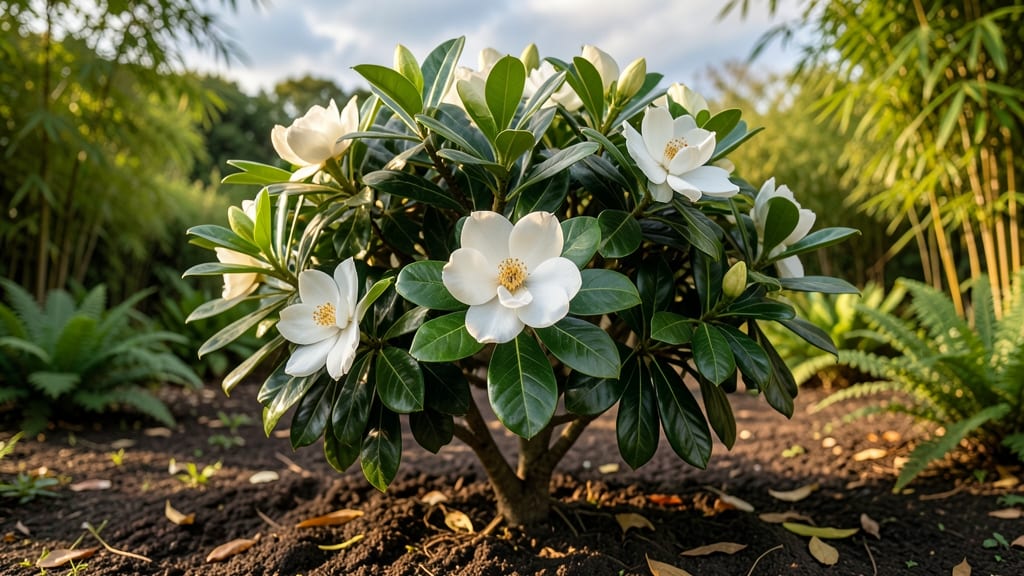
The white gardenia shrub (Gardenia jasminoides) transforms any yard into a fragrant sanctuary—if you master its pruning secrets. 🌿 I’ve battled leggy, sparse growth for years until I discovered the exact timing that triggers lush, blooming branches.
The key isn’t just when you prune, but how it syncs with the plant’s natural rhythm.
These shrubs demand bright, indirect light (morning sun, afternoon shade) and slightly acidic, well-draining soil—think pine mulch or peat moss. Overwatering kills them faster than pests ever could, so let the top inch dry between drinks.
Feed them balanced fertilizer in spring, then switch to low-nitrogen once buds form to avoid leafy chaos. Prune after blooms fade in late spring, cutting back to outward-facing buds for dense growth. The payoff? A shrub that smells like summer all year.
📚 In This Guide
- What you need
- Instructions
- Tips and common mistakes
- Wrapping up and next steps
What you need
- ● Pruning shears: Bypass shears (sharp, clean, and sterilized with rubbing alcohol to prevent disease). Quantity: 1 pair
- ● Garden gloves: Heavy-duty, cut-resistant gloves (to protect against thorns and sap). Size: Medium/Large
- ● Disinfectant solution: 1-part bleach to 9 parts water (for sterilizing tools between cuts). Quantity: Small spray bottle or bowl
- ○ Pruning sealant (optional but recommended): Pruning wax or tree paint (to seal larger cuts and prevent infection). Quantity: Small jar
- ● Garden twine or rubber bands: For securing branches if shaping is complex. Quantity: Small roll
- ● Ladder or step stool: If your gardenia shrub is taller than 5–6 feet. Height: Adjustable or 6+ ft
- ● Trash bag or bucket: For collecting pruned branches and debris. Size: Medium (13-gallon)
- ● Sharpie or permanent marker: To label pruning cuts if training the shrub (e.g., "Bloom Zone"). Quantity: 1
- ● Weather check: Prune on a dry, cloudy day (avoid pruning in extreme heat or after rain to reduce stress on the plant).
- ● Research pruning timeline: Know your gardenia’s dormant season (typically late winter/early spring) and bloom cycle.
- ● Safety gear: Safety glasses (if working near eyes) and closed-toe shoes.
- ● Plant health assessment: Inspect the shrub for pests (e.g., scale insects) or diseases (e.g., fungal spots) before pruning.
- ● Handheld leaf blower: For clearing debris from the shrub after pruning.
- ● Camera or phone: To document "before" and "after" progress (great for tracking growth!).
- ● Compost bin: To recycle pruned branches into nutrient-rich compost.
- ● Plant food: Balanced fertilizer (e.g., 10-10-10) to apply post-pruning for a growth boost.
Step-by-step guide to reviving your white gardenia shrub
Here’s how to coax those fragrant blooms back with precision pruning and care.
🌿 Step 1: Assess the Shrub’s Health and Pruning Needs
Start by examining your gardenia for signs of stress or overgrowth. Healthy branches have smooth, green bark and glossy leaves, while dead or dying branches appear brown, brittle, or leafless. I always prune in late winter or early spring, just before new growth begins—this ensures the plant isn’t stressed during dormancy.
Use clean, sharp pruning shears to make cuts at a 45-degree angle, about ¼ inch above a leaf node or outward-facing bud. This encourages healthier regrowth. Avoid cutting into old wood, as gardenias struggle to regenerate from mature branches. If you see yellowing leaves, that’s a sign of overwatering or poor drainage—address that first before pruning.
✂️ Step 2: Prune for Shape and Airflow
Gardenias thrive when they receive good airflow, so aim to thin out crowded branches by 20-30% to improve light penetration. Start by removing any dead, diseased, or crossing branches—these compete for nutrients and invite pests. I like to step back every few cuts to visualize the shape; the goal is an open, rounded form that lets sunlight reach the center.
Never prune more than one-third of the shrub at a time, or you risk shocking the plant. Focus on cutting back leggy growth to encourage bushier, denser foliage. If your gardenia hasn’t bloomed in years, aggressive pruning might trigger new flower buds—but only if the plant is otherwise healthy. Weak or struggling gardenias need gentler maintenance first.
☀️ Step 3: Optimize Light and Water After Pruning
Gardenias crave morning sun and afternoon shade, especially in hot climates. After pruning, move your shrub to a spot with 4-6 hours of filtered sunlight if it’s currently in too much direct sun—leaves can scorch. If you’ve pruned heavily, reduce watering for the first 7-10 days to let the cuts heal without inviting rot.
Water deeply once a week, ensuring the soil stays evenly moist but never soggy. Gardenias hate wet feet, so check drainage—if water pools in the pot or soil, amend with perlite or sand. Fertilize lightly with an acid-loving plant formula (like one with iron and sulfur) every 4-6 weeks during growing season to support blooming.
🌱 Step 4: Encourage Blooms with Strategic Care
Gardenias bloom best when they’re slightly root-bound, so avoid repotting unless absolutely necessary. If your shrub is in a pot, top-dress with 2-3 inches of fresh potting mix annually to refresh nutrients. Prune again lightly after blooming to shape the plant and remove spent flowers—this redirects energy into next season’s buds.
Here’s the thing—gardenias need consistency. Sudden changes in water, light, or temperature stress them out. If you’ve pruned correctly but still see no blooms after a year, check your soil pH—gardenias thrive in acidic soil (pH 5.0-6.5). A simple soil test kit solves this fast. Patience is key; revived gardenias often take 2-3 seasons to rebound fully.
Tips & tricks for reviving your white gardenia shrub
Real talk—gardenias are finicky, but these precision tips will help you avoid common pitfalls and coax those fragrant blooms back to life.
Timing Secret: Late winter or early spring is your best window for pruning, but if you miss it, don’t stress. Gardenias are forgiving—just wait until the plant shows signs of new growth. I’ve revived gardenias pruned as late as early summer, though you’ll sacrifice some of that year’s blooms. The key is to avoid pruning during extreme heat or cold, which stresses the plant.
The Technique That Changed Everything: When making those 45-degree cuts in Step 1, imagine you’re making a tiny roof over the bud—this protects it from rain and keeps it dry. If you cut too close to the bud or straight across, you risk exposing it to moisture, which can rot. Use a ruler to measure that ¼-inch clearance if you’re unsure; precision here makes all the difference in regrowth.
Pruning Strategy: The 20-30% thinning in Step 2 isn’t arbitrary—it’s about balance. Think of your gardenia like a haircut: you want to remove just enough to let light and air circulate without stripping the plant of its ability to photosynthesize. If you’re unsure how much to cut, snap a photo before you start, then refer back to it as you work. You’ll notice the difference in airflow immediately after.
Post-Pruning Rescue: If you’ve pruned heavily and notice the cuts aren’t healing after those first 7-10 days, it’s likely a drainage issue. Dip the cut ends in cinnamon powder (yes, the spice!) before watering—it acts as a natural antifungal. I’ve seen gardenias recover from rot this way when all else failed. Just avoid overdoing it; a light dusting is enough.
Pro Tips for White Gardenia Shrub
- Real talk—gardenias are finicky, but these precision tips will help you avoid common pitfalls and coax those fragrant blooms back to life.
- Timing Secret: Late winter or early spring is your best window for pruning, but if you miss it, don’t stress.
- The Technique That Changed Everything: When making those 45-degree cuts in Step 1, imagine you’re making a tiny roof over the bud—this protects it from rain and keeps it dry.
Frequently asked questions
Got questions about your white gardenia shrub? You’re not alone!
Here are answers to the most common concerns—from pruning to pests and everything in between.
When is the best time to prune my white gardenia shrub?
The ideal time to prune is late winter or early spring (just before new growth starts). Avoid pruning after summer—it can stress the plant and delay blooming. Light shaping can happen after flowering, but avoid heavy cuts. Pro tip: Use sterilized tools to prevent disease!
Why aren’t my white gardenias blooming?
Lack of blooms often stems from over-fertilizing with nitrogen (which encourages leafy growth) or poor sunlight. Ensure your shrub gets 6+ hours of direct sun daily and use a balanced, acidic fertilizer (like 6-6-6) in early spring. Stress factors like drought or root-bound pots can also halt flowers.
What pests commonly attack white gardenia shrubs?
Watch for aphids, spider mites, and scale insects—they love gardenias! Aphids appear as tiny green clusters; spider mites leave webbing; scale looks like bumps on stems. Treat with neem oil or insecticidal soap early. Preventative tip: Inspect leaves regularly during warm months.
Can white gardenias survive cold winters?
Most gardenias are tender perennials and thrive in USDA Zones 8–11. In colder areas, plant in containers for winter protection (move indoors or to a garage). If left outdoors, mulch heavily and wrap the shrub with burlap. Hardy varieties like ‘Kleim’s Hardy’ tolerate brief dips to 15°F.
What’s a good alternative if my gardenia isn’t thriving?
If your gardenia struggles with your climate or soil, try these fragrant, low-maintenance shrubs:
- Jasmines (e.g., ‘Arabian’ or ‘Primrose’) – Drought-tolerant, sweet-scented, and bloom prolifically.
- Gardenia ‘Kleim’s Hardy’ – A cold-hardier hybrid with fewer pest issues.
- Allamanda – Tropical vibes, bright flowers, and thrives in heat.
- Camellias – Evergreen, winter-blooming, and loves acidic soil.
Bonus: All these plants love well-draining, acidic soil—just like gardenias!
Wrapping up and next steps
Transforming your space with a fragrant white gardenia shrub is a rewarding journey—one that thrives on patience, precision, and a little love! 🌸 By mastering pruning timing and understanding its unique needs, you’ve unlocked the secret to lush, blooming beauty year after year.
Whether you’re a seasoned gardener or just starting, every snip and care step brings you closer to that dreamy, intoxicating garden retreat.
Ready to watch your gardenia flourish? Grab your pruners, mark your calendar for the best pruning windows, and give your shrub the attention it deserves. Start planning your next move—your fragrant oasis awaits!