
Succulent
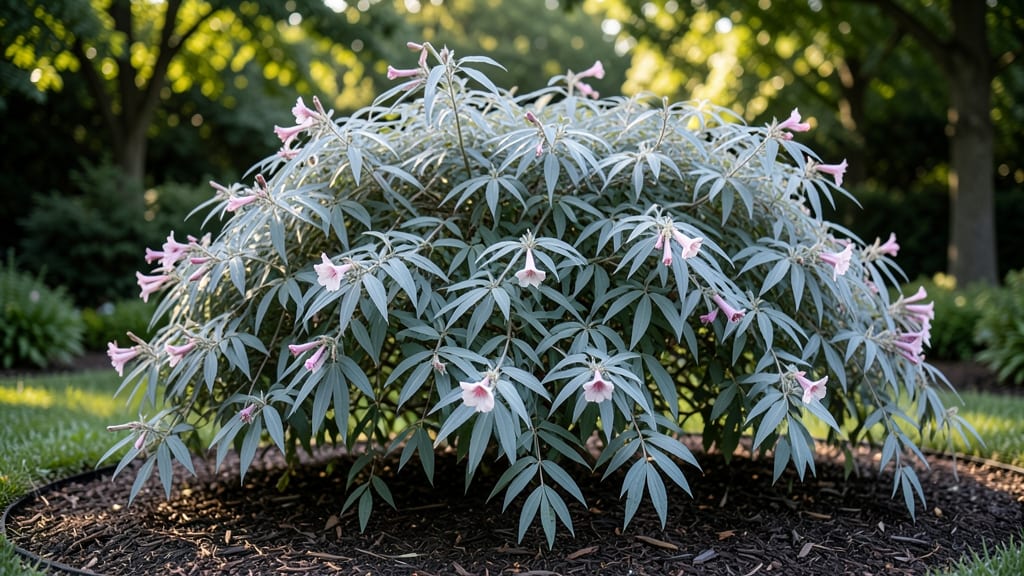
Reviving your blue willow shrub starts with a single cut—one that transforms leggy branches into a lush, fragrant canopy. 🌿 I’ve spent years watching these shrubs go from sad, sparse bushes to vibrant, blooming stars with just a few strategic pruning sessions each year.
The secret isn’t complicated: it’s about timing, technique, and understanding what your Weigela florida (or its cultivars like 'Blue Mist') truly needs to thrive.
These shrubs are semi-evergreen, meaning they keep some foliage year-round but really shine in spring when they burst into clusters of pink, red, or white blooms. They’re not fussy about soil—just well-draining and slightly acidic—but they do demand full sun to partial shade and regular watering until established.
Once they’re happy, they reward you with fragrant flowers that hummingbirds adore and foliage that turns a stunning blue-green in cooler months.
Pruning isn’t just about shaping—it’s about reviving. By cutting back old wood in late winter or early spring and trimming leggy growth after flowering, you encourage fresh, bushier growth and more blooms next season.
I’ve seen shrubs that were nearly bare transform into dense, flowering powerhouses in just one growing season. The key is patience and consistency; these shrubs respond beautifully to care but hate neglect.
Whether you’re dealing with a mature shrub that’s lost its shape or a young one you want to guide, this guide will help you bring back that fragrant, vibrant canopy. Let’s get those shears ready—your blue willow is waiting for a revival.
📚 In This Guide
- What you need
- Instructions
- Tips and common mistakes
- Wrapping up and next steps
What you need
- ● Blue willow shrub (Weigela florida or similar variety) – Ensure it’s healthy and disease-free! 🌱
- ● Well-draining potting mix – A blend of 50% garden soil, 30% compost, and 20% perlite or sand (for succulent-friendly drainage).
- ● Pruning shears or bypass pruners – Sharp, sterilized tools (disinfect with rubbing alcohol between cuts!).
- ● Gloves – Heavy-duty gardening gloves to protect your hands from thorns and sap.
- ● Watering can or hose with a gentle spray nozzle – Avoid overwatering!
- ○ Mulch (optional but recommended) – 2-3 inches of organic mulch (e.g., bark or straw) to retain moisture and suppress weeds.
- ● Sunlight – Full sun to partial shade (6+ hours of sunlight daily for optimal blooms).
- ● Climate – Hardy in USDA Zones 4-8; protect from harsh winter winds if in colder regions.
- ● Container or garden bed – If potted, use a 12-18 inch diameter container with drainage holes.
- ● Test your soil – Aim for a slightly acidic to neutral pH (6.0-7.0) for best growth.
- ○ Fertilizer (optional) – A balanced, slow-release fertilizer (10-10-10) applied in early spring can boost blooms!
- ● Support stake (for leggy growth) – A 3-4 ft bamboo stake can help train vines if needed.
Step-by-step instructions for reviving a blue willow shrub
Here's how I bring these fragrant, graceful shrubs back from neglect—no matter how overgrown or stressed they appear.
🪴 Step 1: Assess the Shrub's Structure and Health
Start by examining your blue willow's overall condition before touching a single branch. Look for dead or diseased wood—these appear as dry, brittle stems with no leaves or a dark, mushy interior when cut open. I always check the base first, as root rot often starts there and spreads upward. Healthy stems should have a firm, greenish-brown interior when sliced.
Next, identify the shrub's natural shape. Blue willows grow in a weeping, vase-like form, so any branches growing outward at sharp angles or upward toward the sky need correction. Run your fingers along the bark—rough, scaly patches indicate sunburn or winter damage, while smooth, green areas show healthy growth. This assessment tells me exactly where to focus my pruning efforts.
✂️ Step 2: Prune for Structure and Airflow
Use clean, sharp pruning shears to make cuts just above a leaf node or outward-facing bud, angled at 45 degrees. Start by removing any dead, diseased, or crossing branches first—they're the easiest targets and won't affect the shrub's overall shape. I always work from the bottom up, which prevents me from accidentally cutting healthy branches that become obscured by the canopy.
Next, focus on opening up the center of the shrub. Blue willows often develop dense interiors that block light and airflow, inviting fungal diseases. Cut back one-third of the oldest, thickest branches to their base, making sure to leave at least 3-4 healthy branches to maintain the shrub's structure. The goal is to create a vase-like silhouette with branches spreading outward and downward.
☀️ Step 3: Thin Out Overgrowth for Light Penetration
Now it's time to address the outward growth that gives blue willows their signature weeping habit. Look for branches that grow straight up or outward at sharp angles—these need thinning to encourage the graceful, downward arch. I remove about 20-30% of the total branches, focusing on the longest, leggiest stems first. Cut them back to a side branch or bud that faces outward.
Pay special attention to the shrub's outer edges. If branches are growing too tightly together, they'll compete for sunlight and nutrients, weakening the plant. Space remaining branches about 6-12 inches apart to allow air to circulate freely. You'll notice the shrub's natural form emerge as you step back and evaluate—this is the moment that matters: seeing the potential beneath the chaos.
💧 Step 4: Post-Pruning Care for Rapid Recovery
After pruning, water the base of the shrub deeply to help it recover from the stress. Blue willows have shallow roots, so 1-2 gallons of water spread evenly over the root zone encourages new growth. Avoid overhead watering, which can leave cuts vulnerable to fungal infections. I always apply a 2-3 inch layer of mulch around the base, keeping it 6 inches away from the trunk to prevent rot.
Fertilize with a balanced, slow-release fertilizer (10-10-10) to support regrowth. I apply it in early spring, just as new leaves begin to form. Avoid heavy nitrogen fertilizers—they promote leafy growth at the expense of the shrub's structural branches. Watch for new shoots emerging from the base and along the remaining branches; these are your shrub's way of telling you it's healing.
⏰ Step 5: Monitor and Maintain Through the Seasons
In the first year after pruning, your blue willow will focus on regrowing its canopy. Keep an eye out for water sprouts—fast-growing, vertical shoots that appear at the base or along branches. These compete with the shrub's natural structure, so remove them as soon as they appear. You'll also notice new growth pushing outward from the cuts you made; these are the branches that will form the shrub's future shape.
By late summer, your blue willow should show signs of recovery: fuller foliage, fewer bare spots, and branches beginning to weep naturally. This is the time to do a light maintenance pruning, trimming any branches that have grown too long or out of place. Regular pruning keeps the shrub's form intact and encourages those fragrant, silvery-blue leaves to shine.
Tips & tricks for reviving a blue willow shrub
Here's what nobody tells you about pruning these elegant shrubs—lessons I learned after watching too many willows struggle to recover.
Timing is Everything: The best time to prune blue willows is in late winter or early spring, just before new growth begins. This timing allows the shrub to recover during its natural growth cycle. Avoid pruning in fall, as new growth won't have time to harden off before winter. I've seen willows pruned in fall develop weak, tender growth that freezes back in cold snaps.
Tool Precision Matters: Never use dull pruning shears—they crush stems instead of making clean cuts. Invest in high-quality bypass pruners for branches under 1/2 inch thick and loppers for thicker branches. I sterilize my tools with rubbing alcohol between cuts to prevent spreading disease. The clean cuts heal faster and reduce the risk of infection, which is especially important when working with stressed shrubs.
Visual Cues for Pruning Success: When cutting back branches, look for the leaf node—the small bump where leaves attach. Making cuts just above this node encourages new growth. For thicker branches, cut at a 45-degree angle about 1/4 inch above an outward-facing bud. This technique promotes stronger regrowth and maintains the shrub's natural form. I always step back after pruning to visualize the vase-like silhouette we're creating.
Seasonal Care Strategy: After pruning, monitor your willow closely for the first 6-8 weeks. New growth should appear within 2-3 weeks if conditions are right. If you don't see new shoots emerging, check your watering—blue willows need consistently moist soil during recovery. I've found that mulching with 2-3 inches of organic mulch helps retain moisture while protecting the roots from temperature fluctuations.
Pro Tips for Blue Willow Shrub
- Here's what nobody tells you about pruning these elegant shrubs—lessons I learned after watching too many willows str...
- Timing is Everything: The best time to prune blue willows is in late winter or early spring, just before new growth b...
- Tool Precision Matters: Never use dull pruning shears—they crush stems instead of making clean cuts. Invest in high-q...
Frequently asked questions
Got questions about nurturing your blue willow shrub? You're not alone! Here are some of the most common queries—and their answers—to help you cultivate a thriving, fragrant canopy with confidence.
How often should I prune my blue willow shrub for optimal growth?
Prune your blue willow shrub (like Weigela florida 'Blue Mermaid') lightly in early spring to shape it and encourage new growth. For heavier pruning, wait until late winter before buds swell. Avoid pruning in fall, as it can stimulate tender growth vulnerable to frost. Focus on removing dead, diseased, or crossing branches first.
Is the blue willow shrub cold-hardy? What zones does it thrive in?
The blue willow shrub (often Weigela varieties) is highly cold-hardy, thriving in USDA zones 4-8. It tolerates winter temperatures down to -30°F (-34°C), making it ideal for northern climates. In warmer zones (9+), provide afternoon shade to prevent leaf scorch. Mulch the base in winter for extra protection.
Why aren’t my blue willow flowers blooming this year?
Lack of blooms often stems from over-pruning, poor sunlight, or nutrient deficiencies. Ensure your shrub gets 6+ hours of sun daily and prune no more than 1/3 of the plant annually. Feed with a balanced fertilizer (10-10-10) in early spring. If the shrub is young (<3 years), patience is key—it may need time to establish.
Are there natural pest controls for blue willow shrubs?
Common pests like aphids, spider mites, or Japanese beetles can stress your shrub, but natural remedies help! Spray with a soapy water solution (1 tsp mild soap per quart of water) for soft-bodied pests. Introduce ladybugs or lacewings for aphid control. For beetles, neem oil (applied at dusk) is effective. Prune heavily infested branches and compost them separately.
Can I grow a blue willow shrub in a container? What’s the best pot size?
Yes! Blue willow shrubs adapt well to containers, especially dwarf varieties like 'Wine and Roses'. Choose a pot at least 18-24 inches wide and deep with drainage holes. Use a well-draining potting mix (add perlite or sand for aeration). Repot every 2-3 years and fertilize monthly in growing season. Place in a sunny spot and water when the top inch of soil is dry.
Wrapping up and next steps
Transforming your garden with a blue willow shrub is a rewarding journey—one that combines beauty, fragrance, and a touch of pruning mastery! 🌿 With the right tools, timing, and techniques, you’ll revive its lush canopy and enjoy its stunning blooms for years.
Whether you’re a seasoned gardener or just starting, every snip brings you closer to a thriving, fragrant retreat.
Ready to take the next step? Grab your pruners, sketch a quick plan, and give your blue willow the care it deserves! Your garden’s masterpiece is waiting—let’s make it bloom! 🌸