
Shrubs
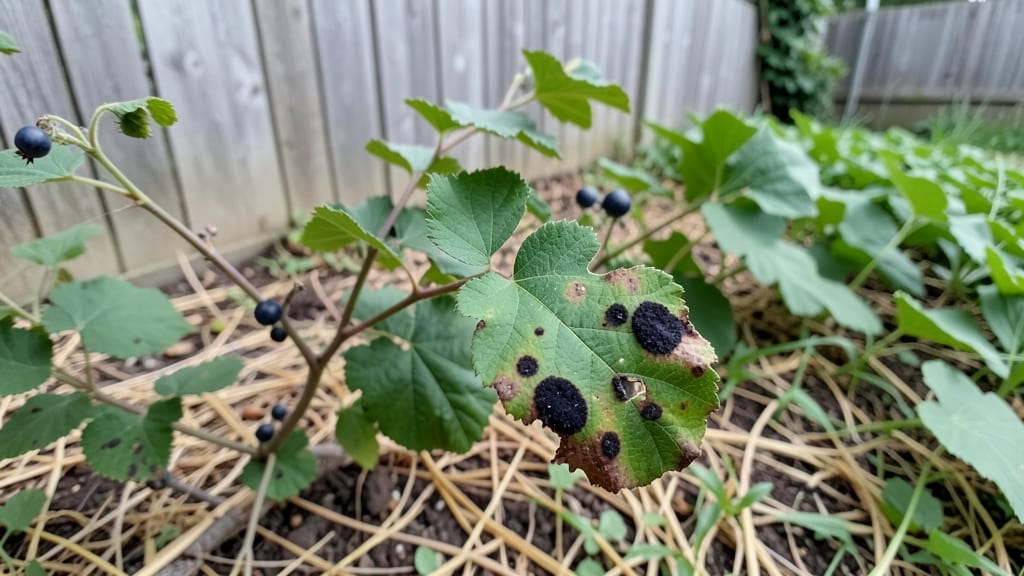
Black spots on shrub leaves can turn your yard from lush to lamentable in weeks—unless you act fast. 🌿 I’ve seen anthracnose and bacterial leaf spot transform healthy shrubs into sad, spotted messes, but there’s a way to stop it before it spreads.
The key is spotting the issue early, identifying the culprit, and treating it before it ruins your plants.
Most black spots start with fungal spores or bacteria that love damp leaves and poor airflow. Overwatering, tight plant spacing, or ignoring pruned branches creates the perfect storm.
I’ve learned the hard way that ignoring these spots until they multiply is a mistake—once they take over, your shrub’s health declines fast. The good news? With the right fixes, you can revive your plants in just a few weeks.
You’ll learn to tell fungal spots (often with yellow halos) from pest damage (tiny holes or webs) and how to treat each. Pruning infected leaves, adjusting watering, and using simple organic sprays can turn things around.
The goal? Restore those glossy leaves and keep your shrubs thriving without harsh chemicals. Let’s get started.
This works for boxwoods, azaleas, and even roses—any shrub with black spots. The fixes are fast, but the results last through the season. Here’s how to diagnose and tackle it before it spreads further.
Understanding Leaf Spot Triggers
Black spots on shrub leaves aren’t just unsightly—they’re often a red flag that something’s disrupting your plant’s health. From microscopic invaders to environmental stressors, several culprits can turn vibrant foliage into a patchwork of discoloration.
Let’s break down the most common causes, why they happen, and how they wreak havoc on your shrubs.
Fungi are the #1 cause of black spots on shrub leaves, thriving in damp, humid conditions. These organisms release spores that land on leaves, germinate, and create dark, often circular or irregular spots. Over time, these spots may expand, merge, or develop fuzzy edges—classic signs of fungal activity.
How it happens:
- Spores spread via wind, water, or tools: Fungal spores are lightweight and travel easily. A single infected leaf can release thousands of spores, contaminating nearby plants.
- Wet foliage creates the perfect breeding ground: Fungi need moisture to germinate. Overhead watering, poor air circulation, or morning dew can keep leaves damp for too long, giving fungi the upper hand.
- Stressed shrubs are more vulnerable: Weakened plants (due to poor soil, drought, or nutrient deficiencies) have fewer defenses against fungal attacks.
Common fungal offenders:
Fungus
Appearance
Favored Conditions
Anthracnose
Dark, sunken spots with yellow halos; often on new growth
Cool, wet weather; thrives in shaded, humid areas
Leaf Spot (e.g., Septoria, Cercospora)
Small, black or brown spots with gray centers; may have target-like rings
Warm, moist conditions; spreads rapidly in crowded shrubs
Powdery Mildew (less common but possible)
Black or dark gray spots with a white, powdery coating
High humidity; affects both upper and lower leaf surfaces
While pests like aphids or mites don’t directly cause black spots, their feeding habits can weaken leaves, making them susceptible to secondary infections. Some insects, however, leave behind literal “stains” as they feed or excrete waste.
How it happens:
- Sap-sucking insects create stress points: Pests like spider mites or scale insects pierce leaves to feed, leaving tiny wounds. These openings allow fungi or bacteria to enter, leading to blackened spots.
- Sooty mold thrives on honeydew: Insects such as aphids and whiteflies excrete a sticky substance called honeydew. This sugar-rich residue attracts sooty mold fungi, which grow as black, velvety coatings on leaves.
- Mechanical damage from chewing pests: Caterpillars or beetles can tear leaves, creating dark, irregular marks where tissue is destroyed.
💡 Pro Tip: If you see black spots paired with sticky residue or webbing, inspect the undersides of leaves for pests. A magnifying glass helps spot tiny intruders like mites.
Not all black spots are biological. Extreme environmental factors can scorch, burn, or discolor leaves, mimicking disease symptoms. These issues are often physical rather than infectious, meaning they won’t spread to other plants.
How it happens:
- Sunburn or heat stress: Young, tender leaves or those suddenly exposed to intense sunlight (e.g., after pruning) can develop crusty, blackened patches. This is common in shrubs moved from shade to full sun.
- Water stress (over/under):
- Overwatering: Leads to root rot, which starves leaves of nutrients, causing them to turn yellow or black with a mushy texture.
- Underwatering: Causes leaf scorch, where edges and tips dry out, turn brown, and eventually blacken.
- Chemical burns: Fertilizer salts, herbicides, or even hard water can accumulate on leaves, creating dark, necrotic spots. This is common in shrubs near sidewalks (salt damage) or those sprayed with pesticides.
- Cold damage or frost: Freezing temperatures can kill leaf tissue, leaving behind black, crispy patches. Evergreens are especially vulnerable.
🎯 Key Difference: Environmental damage often affects only the edges or tips of leaves, while fungal spots appear randomly across the surface.
Shrubs rely on a delicate balance of nutrients, pH, and minerals. When this balance tips—whether from over-fertilizing, poor soil, or toxicity—leaves can develop black spots as a sign of distress.
How it happens:
- Nutrient deficiencies or excesses:
- Magnesium deficiency (chlorosis): Leaves develop interveinal blackening (dark spots between veins) due to poor chlorophyll production.
- Iron toxicity: In acidic soils, excess iron can cause dark, rust-colored spots on leaves.
- Nitrogen burn: Over-fertilizing with nitrogen leads to dark, leathery spots and stunted growth.
- Soil pH extremes: Shrubs prefer slightly acidic to neutral soil (pH 6.0–7.0). In alkaline soil (high pH), micronutrients like iron and manganese become unavailable, causing blackened, necrotic spots.
- Herbicide or pesticide drift: Non-selective herbicides (like glyphosate) can kill shrub foliage, leaving behind dark, charred patches.
🔥 Quick Test: Scratch a small area of discolored leaf with your fingernail. If the spot doesn’t rub off, it’s likely a physical or chemical issue (not fungal).
Now that you know the why behind those pesky black spots, the next step is identifying the exact culprit and treating it effectively. Stay tuned for our diagnostic guide to differentiate fungal, pest-related, and environmental damage—and how to stop it in its tracks!
Quick Fixes for Leaf Spot Woes
Black spots on shrub leaves don’t have to be a gardening nightmare—with the right approach, you can restore your shrubs to their vibrant best. Below are targeted solutions for the most common causes, from fungal infections to environmental stressors.
Each fix is designed to be practical, effective, and easy to implement, even for busy gardeners. Let’s get those leaves looking lush again!
Fungal leaf spots (like anthracnose or septoria) thrive in damp conditions. Here’s how to tackle them:
🔥 Remove Infected Leaves
- Step 1: Snip off or gently pull affected leaves—don’t compost them! Fungi can survive in organic matter.
- Step 2: Dispose of them in a sealed bag or trash bin (not your yard waste).
- Pro Tip: 💡 Wear gloves to avoid spreading spores to healthy plants.
🍳 Apply Fungicidal Spray
- Step 1: Choose a copper-based fungicide or a neem oil solution (1 tbsp neem oil + 1 tsp mild soap per quart of water).
- Step 2: Spray both sides of leaves and the stems in the early morning or evening (when humidity is lower).
- Step 3: Reapply every 7–10 days or after rain until new growth appears.
- Pro Tip: 🌡️ For severe cases, rotate between fungicides to prevent resistance.
⏰ Improve Airflow & Light
- Step 1: Thin out overcrowded shrubs to allow sunlight and air to circulate.
- Step 2: Avoid overhead watering—use a soaker hose or drip irrigation to keep leaves dry.
- Pro Tip: ✨ Prune shrubs in late winter/early spring to reduce fungal overwintering.
Heat stress, sunscald, or chemical burns can mimic fungal spots. Here’s how to soothe your shrubs:
💦 Hydrate & Mulch Properly
- Step 1: Water deeply 1–2 times per week (check soil moisture—top inch should be dry before watering).
- Step 2: Apply 2–3 inches of mulch (wood chips or straw) to retain moisture and regulate soil temperature.
- Pro Tip: 🎯 Use drip irrigation to avoid wetting leaves, which can worsen stress.
🌿 Provide Shade (If Needed)
- Step 1: If your shrub is in a hot, sunny spot, provide partial shade with a sheer cloth or nearby taller plants.
- Step 2: For newly planted shrubs, use shade cloth (30–50%) for the first few weeks.
- Pro Tip: 🔥 Avoid transplanting shrubs in peak summer heat—opt for spring or fall.
🧼 Check for Chemical Burns
- Step 1: If spots appeared after fertilizing or spraying, flush the soil with water to dilute chemicals.
- Step 2: Switch to a gentler, organic fertilizer (like fish emulsion or compost tea).
- Pro Tip: 🌱 Always follow label instructions for pesticides/fertilizers—more isn’t better!
Some black spots are a sign of insect damage (like mites or aphids) or bacterial infections. Here’s how to handle them:
🔪 Blast Off Pests
- Step 1: Spray leaves with a strong stream of water to dislodge aphids, mites, or scale insects.
- Step 2: Use insecticidal soap or horticultural oil (follow package directions).
- Pro Tip: 💡 Introduce beneficial insects (like ladybugs) to keep pests in check naturally.
🧪 Treat Bacterial Leaf Spot
- Step 1: Remove all infected leaves and stems (bacteria spread easily).
- Step 2: Sterilize pruners with rubbing alcohol between cuts.
- Step 3: Apply a copper fungicide (bacterial spots respond poorly to most fungicides, but copper helps).
- Pro Tip: 🌡️ Avoid overhead watering—bacteria love moisture!
Once your shrubs are healthy, prevent recurrence with these habits:
- 🌱 Choose Resistant Varieties: Opt for shrubs bred for disease resistance (e.g., ‘Cleopatra’ olive or ‘Dwarf Fountain’ boxwood).
- 🍂 Clean Up Debris: Rake and remove fallen leaves in autumn to reduce fungal overwintering.
- 💧 Water Wisely: Always water at the base, not the leaves, and early in the day so foliage dries quickly.
- 🌿 Space Shrubs Properly: Follow planting guidelines for airflow—crowded shrubs stay damp and diseased.
- 🧼 Sterilize Tools: Wipe pruners with bleach or alcohol between uses to prevent cross-contamination.
With these fixes, your shrubs should bounce back in 2–4 weeks, depending on the cause. Stay vigilant, and your greenery will stay spotless and stunning! 🌿✨
Frequently asked questions
Why do black spots appear on shrub leaves even when I water them regularly?
Overwatering can actually cause black spots by promoting fungal growth like anthracnose or leaf spot. Water only when the top 1-2 inches of soil are dry, and always water at the base—not overhead—to keep foliage dry. Fungi thrive in damp conditions, so proper drainage and spacing between plants also help prevent this issue.
Can I save my shrub if most leaves already have black spots?
Yes, but act fast! Remove all infected leaves immediately and apply a copper fungicide or neem oil spray. Prune back severely affected branches to improve airflow, and adjust watering habits. With consistent care, new growth should emerge within 3-4 weeks, though heavily damaged shrubs may take longer to fully recover.
Are black spots on shrubs always caused by disease?
Not always! Environmental factors like sunburn, chemical burns (from fertilizers or pesticides), or nutrient deficiencies (such as magnesium) can also create dark spots. Check for patterns: fungal spots appear randomly, while sunburn or chemical damage often affects leaf edges or tips. A simple scratch test helps—if the spot rubs off, it’s likely environmental.
How do I know if my shrub has a fungal infection or bacterial leaf spot?
Fungal spots (like anthracnose) often have yellow halos and fuzzy edges, while bacterial spots appear greasy or water-soaked with irregular shapes. Fungi respond to fungicides, but bacteria require copper-based treatments. If unsure, examine the undersides of leaves for signs of mold or slime—common with bacterial infections.
Will pruning help stop the spread of black spots?
Prune infected leaves and branches before they drop to the ground, where spores can overwinter. Sterilize your tools with rubbing alcohol between cuts, and dispose of pruned material in a sealed bag. Thin out dense foliage to improve airflow, which reduces humidity—a key factor in fungal spread.