
Shrubs
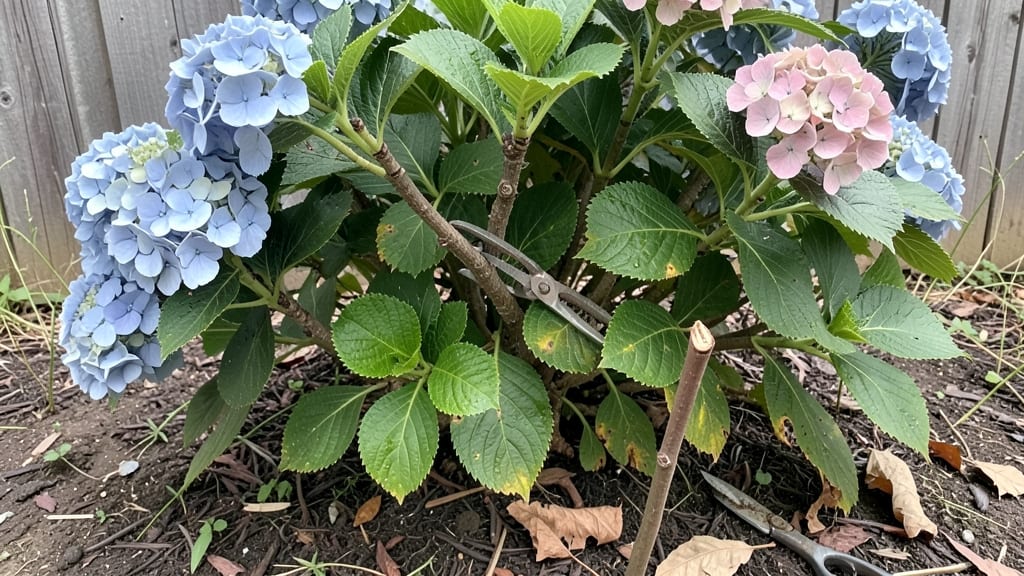
You can prune shrubs in the fall for most varieties, but the right timing depends on the type—evergreens and spring-flowering shrubs should avoid late cuts, while late-summer or fall-bloomers thrive with fall pruning. Stick to light cleanup after leaf drop and avoid major shaping.
Fall pruning works best for shrubs that bloom in late summer or autumn, like hydrangeas or oakleaf hydrangeas, since they set next year's buds after flowering. 🌿 For evergreens and spring bloomers, cutting too late can expose tender growth to winter damage or stimulate unwanted new shoots that won't harden off properly.
The key is understanding your shrub's growth cycle—some, like boxwoods, can handle light shaping in fall, while others need to wait until early spring.
When you do prune in fall, focus on removing dead or diseased branches first, then thin out crowded areas to improve airflow. This reduces winter stress and disease risk. For spring bloomers, wait until just after their flowers fade to avoid cutting off next year's blooms.
Always use clean, sharp tools and prune at a 45-degree angle just above a bud or branch collar.
💡 In This Article
- Fall Pruning Risks for Different Shrub Types
- Step-by-Step Fall Pruning Guide by Shrub
Fall pruning risks for different shrub types
Evergreens like boxwoods or juniper face serious risks from fall pruning because their growth cycle doesn't align with late-season cuts. These shrubs produce new growth from the tips of branches, and pruning too late stimulates tender shoots that won't harden off before winter.
The result? Frost damage or dieback that can take years to recover. What's worse, evergreens can't replace lost foliage like deciduous shrubs, making each cut permanent. 🌲
The real danger lies in how these shrubs prepare for winter. Evergreens enter a semi-dormant state where growth slows but doesn't stop completely.
When you prune in fall, you're essentially tricking the plant into thinking spring has arrived—it sends out soft new growth that lacks the cold resistance of winter-hardened wood.
For example, a 1-foot cut on a boxwood in November might produce 6 inches of vulnerable new growth by December, which will crisp in freezing temperatures.
Spring-flowering shrubs face an equally critical issue: their flower buds form in late summer or early fall. Pruning too late removes these buds before they've had a chance to mature. Take azaleas or forsythia—both set their blooms on last year's wood.
A heavy pruning in October could mean next year's flowers never appear. The timing is precise: you have about 4-6 weeks after flowering to prune these types before buds begin forming again.
Contrast this with shrubs like hydrangeas (especially oakleaf varieties) that bloom on new wood. These thrive with fall pruning because they can produce next year's flowers from current season's growth.
The science here involves auxin hormones—when you prune in fall, you stimulate new growth that will flower the following year. Oakleaf hydrangeas, for example, can handle 25-30% reduction in fall without harm, unlike their spring-blooming cousins.
Disease vulnerability is another factor. Fall's cool, damp conditions create perfect breeding grounds for fungal spores. Pruning evergreens or spring bloomers in fall opens wounds that take weeks to heal, leaving plants susceptible to powdery mildew or cytospora canker.
The risk is particularly high in regions with 50-70% humidity during fall months. Even if you prune correctly, the plant's weakened state from late-season cuts makes it more vulnerable to pathogens.
Here's what actually happens when you prune at the wrong time: For spring bloomers, you're essentially cutting off their "flower factory" before it's built. For evergreens, you're creating winter liability.
The exceptions? Late-summer bloomers like abutilon or crape myrtle can handle light pruning in fall to shape their growth for next year. These plants have evolved to produce flowers on current season's wood, making them more forgiving of late cuts. 🌸