
How To
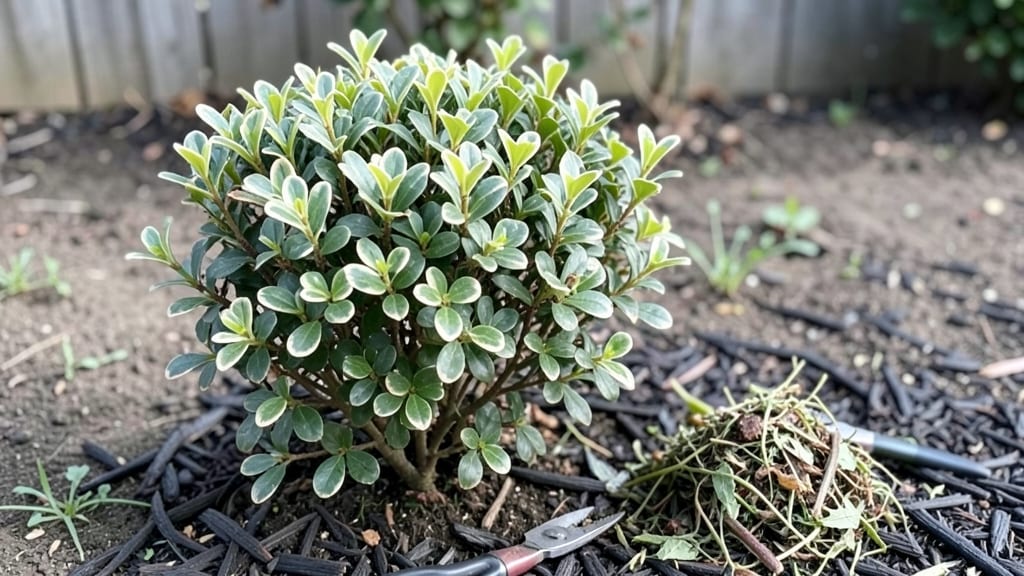
Pruning shrubs transforms them from scraggly to showstopping—if you do it right. ✂️ I’ve spent years perfecting my technique, and the difference between a healthy shrub and one that’s struggling often comes down to timing and method.
The key is understanding when to cut (and when to leave them alone), because pruning at the wrong time can stunt growth or even kill your plants.
Most shrubs benefit from a light trim in late winter or early spring, just as new growth starts, but flowering shrubs have different rules. Evergreens often need shaping after their peak season, while spring-bloomers should be pruned right after they finish flowering.
The right tools—a sharp pair of bypass pruners, loppers for thicker branches, and gloves—make all the difference, and I’ll show you exactly how to use them without damaging the plant.
📚 In This Guide
- What you need
- Instructions
- Tips and common mistakes
- Wrapping up and next steps
What you need
- ● Pruning shears: Bypass pruners (sharp, clean blades) for small branches (2–3" thick). Pro tip: 💡 Invest in high-quality stainless steel for durability.
- ● Loppers: For thicker branches (½–1½" thick). Look for bypass-style loppers with a 10–12" handle for leverage.
- ● Pruning saw: For stubborn, thick branches (1½" or larger). A curved-tooth saw prevents tear-out.
- ● Gloves: Heavy-duty, cut-resistant gloves (e.g., mechanics’ gloves) to protect hands from thorns and splinters.
- ● Disinfectant: 70% isopropyl alcohol or a bleach solution (1 part bleach to 9 parts water) to sterilize tools between cuts.
- ● Extension pole: For high branches (10–15 ft). Attach loppers or a saw for safety and ease.
- ● Pruning sealant: (e.g., Tanglefoot Tree Wound Pruning Seal) to coat large cuts and reduce disease risk.
- ● Work boots: With ankle support for stability on uneven ground.
- ● Safety glasses: To shield eyes from debris.
- ● Trash bags: For collecting pruned branches and leaves.
- ● Know your shrub: Research the specific type (e.g., hydrangea, boxwood, or lilac) to avoid pruning at the wrong time.
- ● Weather check: Prune on a dry, cloudy day to minimize stress on the plant.
- ● Clear workspace: Remove weeds, rocks, or obstacles around the shrub for safe movement.
Step-by-step instructions for pruning shrubs
Pruning shrubs isn’t just about shaping—it’s about breathing new life into your plants. Here’s how to do it right, season by season.
✂️ Step 1: Prune for Spring Growth
Start in late winter or early spring before buds swell but before new growth begins. This is your chance to remove dead, diseased, or crossing branches first—they’re the eyesores holding back your shrub’s potential. Grab your pruning shears and make clean cuts just above a bud or outward-facing branch to encourage healthy growth.
I like to step back every few cuts to check the shape. If a branch looks too thick, thin it out gradually over 2-3 years—never remove more than one-third of the shrub’s foliage in a single session. This prevents shock and keeps your plant strong. Look for watersprouts (those thin, vertical shoots) and snip them off at the base—they drain energy from the main structure.
☀️ Step 2: Summer Light Trim for Shape and Health
Mid-summer is for light maintenance, not major restructuring. After the spring flush, take a quick walk through your garden with your hand pruners and trim any branches that are rubbing together or growing inward. These are the sneaky culprits that create wounds and invite pests.
Pinch back overly leggy growth to encourage bushier, fuller plants. You’ll know it’s time when you see branches stretching too far from the main canopy or when leaves start looking sparse. A little summer pruning keeps shrubs dense and prevents them from looking wild by fall. Just avoid heavy cuts—this isn’t the time for drastic changes.
✂️ Step 3: Fall Cleanup for Winter Prep
Late fall is your last chance to tidy up before winter sets in. Remove any dead, diseased, or damaged branches—they’re just waiting to harbor pests over the cold months. Use your loppers for thicker stems and your pruning shears for finer work. Cut back overgrown or floppy branches to improve airflow and reduce the risk of fungal issues.
This is also the time to thin out crowded areas so sunlight can reach the center of the shrub. If you notice any weak or dying branches, remove them completely. Leave the cuts clean and angled slightly away from the stem to keep water from pooling. A little fall cleanup means a healthier, more vibrant shrub come spring.
⏰ Step 4: Winter Pruning for Evergreens and Special Cases
While most shrubs rest in winter, evergreens and flowering shrubs (like hydrangeas or azaleas) need a different approach. Prune dormant evergreens in late winter to shape them before new growth starts. Use your pruning saw for thick branches and hand pruners for finer details. The goal here is to open up the center so light and air can circulate.
For spring-flowering shrubs, wait until right after they bloom—cutting back too early removes next year’s flowers. If you have overgrown shrubs, spread the pruning over 2-3 years to avoid stressing the plant. A little patience now means stronger blooms later. Always sterilize your tools with rubbing alcohol between cuts to prevent spreading disease.
Tips & tricks for pruning shrubs like a pro
Pruning shrubs is an art that takes practice—here are the secrets I've learned after years of trial and error in my own garden.
The Timing Factor: Late winter or early spring is your golden window for serious pruning because that's when shrubs are still dormant but ready to burst into growth. I've made the mistake of pruning too early when buds haven't swelled yet—they just sit there waiting, and you end up with a delayed bloom. Wait until those buds are visible but haven't broken yet, and you'll see the difference in how vigorously your shrubs respond.
Tool Selection Matters: Don't reach for just any shears! Use bypass pruners for clean cuts on branches up to pencil thickness, and switch to loppers for anything thicker. I learned this the hard way when I tried to cut through a thick branch with regular shears—it crushed the stem instead of making a clean cut, which led to ragged edges that invited disease. For really thick branches, a pruning saw is your best friend, but make sure to sterilize it between cuts with rubbing alcohol.
Shape Strategy: The one-third rule is non-negotiable—never remove more than one-third of a shrub's foliage in a single session. I've seen people get overzealous and end up with stressed plants that take years to recover. Instead, think of pruning as a gradual process. Step back frequently to check your progress—you want to maintain the natural shape while opening up the center for better airflow. This is especially important for shrubs that tend to get leggy, like lilacs or forsythia.
Seasonal Special Cases: Evergreens and spring-flowering shrubs need special attention. For evergreens, prune in late winter when they're still dormant but before new growth appears. Spring-flowering shrubs like lilacs should only be pruned right after they bloom—cutting them back too early removes next year's flower buds. I've ruined a few lilac bushes by pruning at the wrong time, so I now mark their bloom cycle on my calendar as a reminder.
Pro Tips for Prune Shrubs
- Pruning shrubs is an art that takes practice—here are the secrets I've learned after years of trial and error in my own garden.
- The Timing Factor: Late winter or early spring is your golden window for serious pruning because that's when shrubs are still dormant but ready to burst into growth.
- Tool Selection Matters: Don't reach for just any shears!
Frequently asked questions
Got questions about pruning shrubs? You’re not alone! Here are some of the most common concerns—and straightforward answers—to help you prune like a pro.
When is the best time to prune shrubs?
The ideal timing depends on the shrub type. Spring-flowering shrubs (like lilacs or azaleas) should be pruned right after blooming to avoid cutting off next year’s flowers. For summer- or fall-bloomers (e.g., hydrangeas or abelia), prune in late winter or early spring before new growth starts. Evergreens can often be pruned in early spring or late fall.
Do I need to sterilize my pruning tools?
Sterilizing tools with rubbing alcohol (70% or higher) or a 10% bleach solution prevents spreading diseases like fire blight or fungal infections. Wipe blades before and after each use, especially if you’re pruning multiple shrubs or switching between plants. Pro tip: A sharp tool is also safer—dull blades tear tissue, inviting pests!
What if I prune at the wrong time?
Don’t panic! A late prune won’t kill your shrub, but timing affects blooms and growth. For example, pruning spring bloomers in summer removes next year’s flowers. If you miss the window, focus on light shaping and removing dead wood instead. Over time, your shrub will rebound—just be patient!
Can I prune shrubs too much?
Yes! Over-pruning—cutting back more than 1/3 of the shrub’s foliage at once—can stress the plant, reduce flowering, or even stunt growth. Aim for gradual pruning over 2–3 years if reshaping heavily. Always leave healthy, outward-facing buds to encourage fuller growth.
What should I do with the pruned branches?
Don’t toss them! Use clippings for mulch, compost, or even propagation (root softwood cuttings in water or soil). If diseased, bag and dispose of them immediately. For large branches, break them down for firewood (if safe) or recycle them through local green waste programs.
How often should I prune shrubs?
Most shrubs benefit from annual light pruning to maintain shape and health, but frequency varies. Fast-growing shrubs (like forsythia) may need 2–3 prunings per year, while slow growers (e.g., boxwood) thrive with one thorough prune annually. Always prioritize removing dead/diseased wood year-round.
Wrapping up and next steps
Pruning shrubs might seem daunting at first, but with the right tools, timing, and technique, you’ll transform your garden into a thriving, picturesque space! 🌿 Remember to plan ahead, follow seasonal cues, and prioritize plant health over perfection.
Whether you’re shaping for aesthetics or encouraging growth, your efforts will pay off with lush, vibrant foliage year after year.
Ready to take the next step? Grab your pruners and start small—even a single shrub can make a difference! For extra confidence, watch a few tutorial videos or consult a local nursery expert. Happy pruning, and enjoy your garden’s newfound glow! ✨