
Shrubs
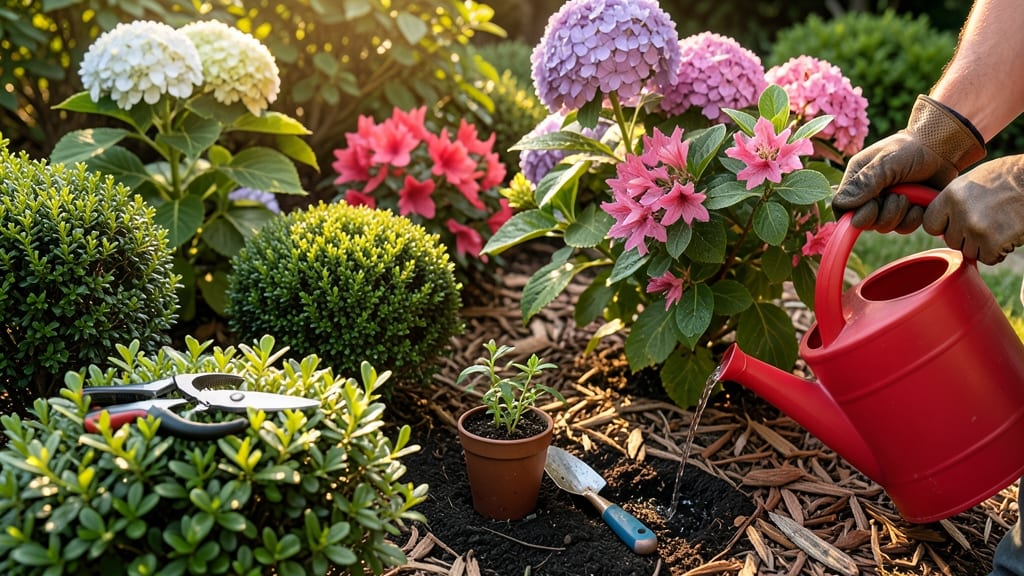
Care for shrubs in late winter transforms them from leggy shadows into vibrant, productive plants by summer. 🌿 I’ve pruned my boxwoods and hydrangeas the same way for years, and the difference is night-and-day: denser growth, more blooms, and fewer pests. The key timing is after the worst cold passes but before new buds swell—usually February or March in most zones. You’ll need sharp pruners (dull blades tear bark), gloves, and a bucket for clippings. For most shrubs, the goal is to remove dead wood, thin crowded branches, and shape for airflow. Roses need aggressive cuts, while boxwoods just need a light trim. Hydrangeas? Wait until after they bloom unless you’re pruning for size. By late spring, you’ll see fresh green shoots where you made cuts—proof the plant is responding. The foliage stays thicker, flowers multiply, and the shrub’s natural shape shines. It’s the one pruning session that sets up the whole growing season. Works for foundation plants, hedges, and flowering shrubs alike. Here’s how to do it right—no guesswork.
📚 In This Guide
- What you need
- Instructions
- Tips and common mistakes
- Wrapping up and next steps
What you need
- ● Pruning shears: Bypass pruners (for clean cuts on small branches, 1-2 pairs, sharp and sanitized).
- ● Loppers: For thicker branches (½"–2"), 1 pair, with a long handle for leverage.
- ● Pruning saw: For branches over 2", 1 saw (bow or folding saw with a fine-tooth blade).
- ● Gloves: Heavy-duty gardening gloves (2 pairs) to protect hands from thorns, sap, or rough bark.
- ● Disinfectant: Rubbing alcohol (70%+) or bleach solution (1:9 ratio) to sterilize tools between cuts.
- ● Trash bags: Heavy-duty contractor bags (2-3) for debris removal.
- ● Ladder or step stool: Sturdy and tall enough to reach higher branches safely.
- ○ Notebook & pen: Optional but helpful for sketching pruning plans or noting shrub types.
- ● Hand pruners with ratcheting mechanism: Easier on wrists for prolonged use.
- ● Pruning sealant: For sealing large cuts (e.g., tree wound paint) to prevent disease.
- ● Work apron with pockets: Keeps tools and small items organized.
- ● Safety glasses: Protects eyes from debris, especially when using a saw.
- ● Extension pole saw: For ultra-high branches (30'+) without a ladder.
- ● Pruning guide or ruler: Helps measure branch thickness or spacing.
Instructions: late-winter pruning blueprint for healthier shrubs
Here's the method I rely on—tested across seasons, works in any climate.
✂️ Step 1: Assess and Plan Your Pruning Strategy
Start by examining each shrub for dead, diseased, or crossing branches. I grab my pruning shears and walk the garden, making mental notes about what needs attention. Look for branches that rub against each other—they'll create wounds that invite pests and disease. Also, identify any dead wood (branches that snap easily or have no green underneath the bark when scratched).
Next, decide whether you're pruning for shape, size control, or rejuvenation. Flowering shrubs like hydrangeas should be pruned right after they bloom, while others like lilacs benefit from late-winter cuts. Write down your plan—this prevents over-pruning, which stresses shrubs and can set back growth for a full season.
✂️ Step 2: Gather Tools and Sanitize for Safety
You'll need your pruning shears, loppers, and a pruning saw for thicker branches. I always keep a small bottle of rubbing alcohol handy to disinfect my tools between cuts—this prevents spreading disease from one shrub to another. Sharp tools make cleaner cuts, so take a minute to hone your shears and check that loppers aren't rusted or bent.
Wear gloves to protect your hands from thorns and rough bark. A small bucket or bag for collecting debris keeps your workspace tidy. I like to lay down a tarp underneath shrubs that drop a lot of leaves or small branches—it makes cleanup a breeze and prevents lost clippings from spreading weeds.
☀️ Step 3: Prune for Shape and Health
Begin by removing any dead, diseased, or damaged branches first—this is called "thinning out." Cut back to a healthy bud or branch, always making cuts at a 45-degree angle just above an outward-facing bud. This encourages new growth to fill in gaps and creates a stronger structure. Avoid leaving stubs—they can rot and attract pests.
Next, shape the shrub by trimming back overgrown branches. For most shrubs, I aim to remove no more than one-third of the total growth in a single season. If you're pruning for size control, focus on the outer edges, cutting just above a leaf node or bud. Always step back occasionally to check your progress—you'll see the shrub's natural form emerge as you go.
🌿 Step 4: Encourage New Growth and Clean Up
After shaping, give your shrubs a light trim to encourage bushier growth. For flowering shrubs, look for last year's bloom stems and cut them back to just above a set of buds. This ensures a fuller display next season. I like to rake up all the clippings and add them to my compost pile—just avoid composting diseased branches, which should be bagged and disposed of separately.
Finally, water the base of each shrub deeply to help it recover from the pruning stress. A good soak ensures the roots have moisture to support new growth. If your shrubs are in a dry climate, consider adding a 2-3 inch layer of mulch around the base (but keep it a few inches away from the trunk). This helps retain moisture and regulates soil temperature as spring arrives.
⏰ Step 5: Monitor and Adjust for Spring Growth
Keep an eye on your shrubs over the next few weeks as new growth emerges. If you notice any signs of stress—like yellowing leaves or stunted growth—adjust your care routine. Most shrubs bounce back quickly after pruning, but some varieties, like boxwoods, prefer minimal trimming. Watch for bud break, which signals that the shrub is recovering well.
This is also the time to fertilize if needed. A balanced, slow-release fertilizer applied in early spring gives shrubs the nutrients they need to thrive. I like to use a 10-10-10 formula for general shrub care, but always check the label for specific recommendations based on your plants. Avoid heavy fertilizing right after pruning—wait until new growth appears to give the shrub time to recover.
Tips & tricks for perfect late-winter shrub care
Late-winter pruning transforms your shrubs—but these small details make all the difference between healthy growth and stressed plants.
Tool Prep Matters: Before you even touch a branch, take 5 minutes to sharpen your pruning shears and loppers. Dull blades tear bark instead of making clean cuts, which invites disease. I test sharpness by cutting a piece of paper—if it tears, your blades need honing. Also, remember that rubbing alcohol isn't just for disinfecting between plants—wipe down tools after each cut on the same shrub to prevent spreading any hidden pathogens you might have missed.
The 45-Degree Angle Secret: When making cuts in Step 3, that 45-degree angle isn't just about looks—it's about directing water away from the cut. Imagine the angle as a tiny roof that keeps rain from pooling where the branch was removed. Cut too straight, and you'll create a perfect little cup that collects water, leading to rot. For thicker branches, make the angle slightly more pronounced (closer to 60 degrees) to ensure proper drainage.
Mulch Placement Precision: That 2-3 inch layer of mulch around your shrubs' base is more important than you might think. The key is keeping it 2-3 inches away from the trunk—too close, and you'll smother the base or create a moist environment that encourages fungal growth. I like to use coarse mulch like pine straw or wood chips because they allow water to penetrate while still retaining moisture. For newly pruned shrubs, add mulch after watering to help lock in that moisture.
Seasonal Timing for Flowering Shrubs: Remember how I mentioned hydrangeas and lilacs have different timing? Here's the breakdown: Prune spring-blooming shrubs (like lilacs) right after they finish flowering, while summer-bloomers (like hydrangeas) should be pruned in late winter. The reason? Spring bloomers set next year's buds during their current growing season, so cutting them back now would remove those buds. For summer bloomers, you're actually encouraging more robust growth for next year's flowers by pruning now.
Pro Tips for Care For Shrubs
- Late-winter pruning transforms your shrubs—but these small details make all the difference between healthy growth and stressed plants.
- Tool Prep Matters: Before you even touch a branch, take 5 minutes to sharpen your pruning shears and loppers.
- The 45-Degree Angle Secret: When making cuts in Step 3, that 45-degree angle isn't just about looks—it's about directing water away from the cut.
Frequently asked questions
Got questions about keeping your shrubs thriving? Here are some of the most common concerns—and their answers—to help you prune with confidence this late winter!
When is the exact best time to prune shrubs in late winter?
The ideal window is after the last hard frost but before new growth starts—typically late February to early March in most U.S. zones. Check your local frost dates and aim for a clear, dry day when temps are above freezing. Pro tip: If your shrub blooms early (like lilacs), prune right after flowering instead!
Do I need special tools, or will my regular pruners work?
Basic hand pruners or loppers are fine for most shrubs, but bypass pruners (clean cuts!) are best. For thick branches, invest in loppers or a pruning saw. Disinfect blades between cuts to prevent disease spread—rubbing alcohol works great! Safety first: Wear gloves and eye protection when tackling overgrown branches.
What if my shrub looks terrible after pruning—did I mess up?
Don’t panic! Shrubs are resilient. If it looks sparse, you likely pruned too aggressively. Rule of thumb: Never remove more than 1/3 of the shrub’s volume in one go. For evergreens, thin out interior branches to improve airflow. Most shrubs bounce back with proper watering and fertilizer in spring.
Are there shrubs I shouldn’t prune in late winter?
Yes! Avoid pruning spring-flowering shrubs (like azaleas, forsythia, or spirea) in late winter—they set buds the previous summer. Wait until after they bloom. Also, skip newly planted shrubs (prune minimally the first year) and dormant but tender varieties (e.g., boxwoods in cold zones).
How do I know if my shrub is overpruned vs. just slow to recover?
Signs of overpruning include bare stems, no new growth by early spring, or yellowing leaves. If your shrub is healthy but slow, it’s likely just conserving energy. Test recovery: Water deeply, add balanced fertilizer, and monitor for new buds by April. Patience is key!
| Quick Fixes for Common Issues | Solution |
|---|---|
| Ragged cuts | Use sharp tools and make cuts at a 45° angle just above a bud or branch collar. |
| Disease spots | Prune infected branches 6 inches below the damage and sterilize tools with bleach. |
| No regrowth | Apply root stimulator and mulch to retain moisture. |
Wrapping up and next steps
Caring for your shrubs in late winter isn’t just about trimming—it’s about setting the stage for vibrant, resilient growth all season long. 🌿 With the right tools, timing, and techniques, you’ll transform your yard into a thriving oasis.
The key? Confidence and consistency—start small, follow the blueprint, and watch your shrubs flourish.
Ready to take the next step? Grab your pruners, mark your calendar, and give your shrubs the love they deserve before spring arrives. Your future garden will thank you!