
Shrubs
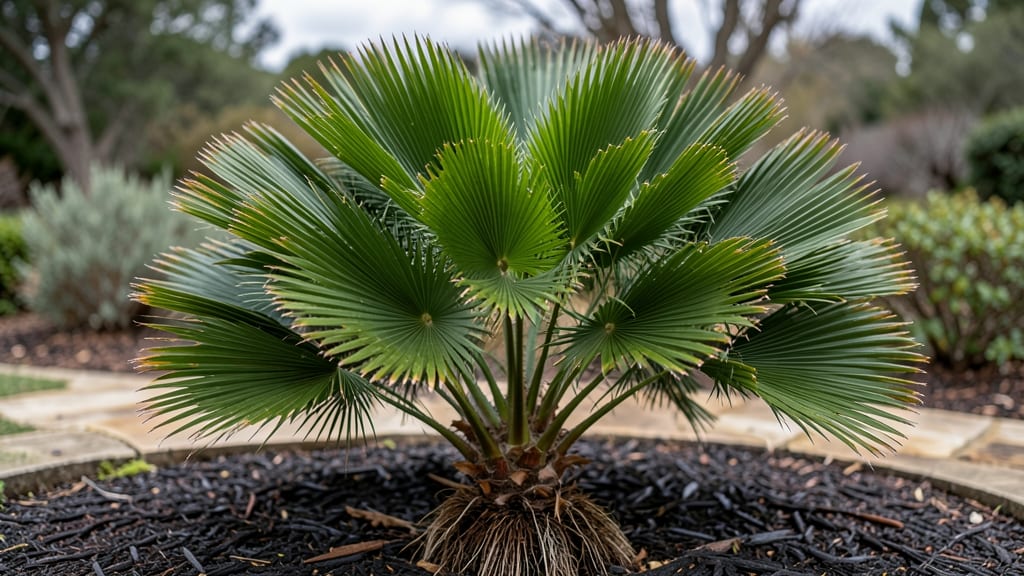
The palm tree shrubs could transform your garden into a tropical escape without ever leaving your climate. These stunning plants bring lush, layered beauty to any yard—whether you're near the coast or simply dreaming of one.
I've designed entire spaces around them, and the results are always shockingly lush and full of movement. The secret lies in pairing the right shrubs with palms: fragrant gardenias for evening scent, glossy schefflera for texture, or delicate hibiscus for bold color.
These combinations create year-round interest—even when palms aren't in bloom. Think of it as building a living tapestry where each plant plays its part. You'll end up with a garden that feels like a vacation, complete with rustling fronds and intoxicating fragrances.
The best part? These pairings work in containers too, perfect for patios or small spaces where you want that tropical vibe without the commitment. Here's how to mix and match for maximum impact—no green thumb required. Let's get your space feeling like a hidden paradise.
📚 In This Guide
- What you need
- Instructions
- Tips and common mistakes
- Wrapping up and next steps
What you need
- ● Palm tree shrubs: Choose 3–5 Chamaedorea or Dypsis varieties (e.g., Chamaedorea elegans or Dypsis lutescens) for their compact, shrub-like growth. Buy 6–12-inch potted plants from a nursery.
- ● Well-draining potting mix: 2–3 bags (1–2 cubic feet each) of a blend designed for palms or tropical plants (e.g., 50% peat moss, 30% perlite, 20% coconut coir).
- ● Containers: 1–3 large pots (12–18 inches in diameter) with drainage holes, or a raised garden bed (if planting outdoors in warm climates).
- ● Slow-release fertilizer: 1–2 pellets or granules of a balanced, organic fertilizer (e.g., 10-10-10 or fish emulsion) for each plant.
- ● Watering can or hose with a gentle spray nozzle: For even moisture distribution without over-saturating the soil.
- ● Pruning shears: Sharp, sterilized shears for trimming dead fronds or shaping your shrubs.
- ○ Mulch (optional but recommended): 1–2 bags of orchid bark or pine needles to retain moisture and mimic tropical conditions.
- ● Gloves: Heavy-duty gardening gloves to protect your hands from rough fronds.
- ● pH testing kit: To ensure your soil is slightly acidic (pH 6.0–7.0), ideal for palm shrubs.
- ● Sunlight gauge: A light meter or app to track bright, indirect light (6+ hours daily for indoor plants).
- ● Humidity tray or pebble tray: For indoor plants to boost humidity (especially in dry climates).
- ○ Support stakes (optional): 2–3 bamboo stakes or small trellises for taller varieties like Dypsis decaryi.
- ● 🌡️ Temperature check: Ensure your space stays between 60–85°F (15–29°C)—palm shrubs hate cold drafts!
- ● ✨ Fragrance boost: Add a few drops of citrus or vanilla essential oil to the soil (diluted in water) for a subtle, tropical scent.
- ● 🎯 Outdoor prep: If planting outside, wait until after the last frost and choose a sheltered spot (e.g., near a patio or under a pergola).
How to grow palm tree shrubs for year-round fragrance and canopy
Here's how to cultivate these tropical beauties—fragrant, fast-growing, and perfect for adding lush greenery to any space.
Choose the Right Variety for Your Climate
Palm tree shrubs thrive in warm climates but can adapt to cooler zones with the right care. For year-round fragrance, consider Murraya paniculata (Orange Jasmine) or Plumeria (Frangipani)—both offer stunning blooms and pleasant scents. If you're in a cooler region, opt for Chamaedorea elegans (Parlor Palm), which tolerates indoor conditions well.
Check your USDA hardiness zone before selecting. Most palm tree shrubs prefer zones 9-11, but some varieties, like Schefflera (Umbrella Tree), can survive in zones 7-10 with winter protection. If you're unsure, start with a hybrid that’s known for resilience in your area.
Plant in Well-Draining Soil with Full Sun Exposure
Palm tree shrubs need bright, indirect to full sun for at least 6-8 hours daily. A south- or west-facing spot is ideal, but avoid harsh afternoon sun in hot climates—it can scorch delicate leaves. If growing indoors, place near a large window or under grow lights for 12-14 hours of light per day.
Use loamy, well-draining soil mixed with sand or perlite to prevent root rot. Amend heavy clay soil with compost or coconut coir to improve aeration. Plant in containers with drainage holes if you're in a cooler climate, as this allows you to move them indoors during frost. Water thoroughly after planting to settle the soil around the roots.
Water Deeply but Avoid Over-Saturation
Palm tree shrubs dislike soggy roots, so water deeply once a week during the growing season (spring and summer). Let the top 2-3 inches of soil dry out between waterings—this prevents root rot while keeping the plant hydrated. In winter, reduce watering to every 2-3 weeks, as growth slows and the plant needs less moisture.
Check moisture by sticking your finger 1 inch into the soil. If it feels dry, water until it drains from the bottom of the pot or runs out of the soil. Avoid wetting the leaves when watering, as this can lead to fungal issues. Mulch around the base with 2-3 inches of organic mulch to retain moisture and regulate soil temperature.
Fertilize Lightly During Growing Season
Feed your palm tree shrub with a balanced, slow-release fertilizer (10-10-10 or 20-20-20) every 4-6 weeks during spring and summer. Over-fertilizing can burn roots, so follow the package instructions carefully. For container-grown plants, use a water-soluble fertilizer diluted to half-strength for regular feeding.
In fall and winter, reduce fertilization to once every 8-12 weeks, as the plant enters a dormant phase. You’ll notice slower growth and fewer blooms during this time, which is normal. If your plant isn’t blooming as expected, it may need more phosphorus-rich fertilizer (look for a 5-10-5 ratio) to encourage flowering.
Prune for Shape and Encourage Full Canopy Growth
Prune your palm tree shrub in late winter or early spring before new growth begins. Remove dead, yellowed, or crossing branches with clean, sharp pruning shears to improve airflow and shape. Cut just above a leaf node or bud to encourage new growth. Avoid heavy pruning, as these shrubs respond best to light trimming for bushier foliage.
If your plant becomes leggy, trim the top 1-2 inches to encourage branching. You’ll see new shoots emerge from the sides within 4-6 weeks. For flowering varieties like Plumeria, deadhead spent blooms to redirect energy into new flowers. Prune lightly throughout the year to maintain the desired shape and keep the canopy dense and fragrant.
Tips & tricks for perfect palm tree shrub growth
These simple strategies will help you nurture lush, fragrant palm tree shrubs that thrive year-round.
Variety Selection: If you're unsure which variety to choose, start with Murraya paniculata (Orange Jasmine)—it's one of the hardiest fragrant options and handles a wide range of conditions. For cooler climates, the Schefflera (Umbrella Tree) is a great alternative that can tolerate indoor conditions well. Check your local nursery for climate-specific recommendations—they often carry regionally adapted varieties that require less fuss.
Light Positioning: The 6-8 hours of daily sunlight is crucial, but placement matters just as much. For outdoor plants, position them where they receive morning sun and afternoon shade in hot climates—this prevents leaf scorch while still providing enough light for growth. If growing indoors near a window, rotate your plant weekly to ensure even light exposure on all sides, preventing lopsided growth.
Soil Mix Secrets: When mixing your loamy soil with sand or perlite, aim for a ratio of about 60% soil to 40% amendments. This balance prevents compaction while still providing nutrients. For container plants, add a handful of orchid bark (available at garden centers) to improve drainage and mimic the natural forest floor environment these tropical plants prefer.
Pruning Timing: The late winter/early spring pruning window is perfect because it coincides with the plant's natural dormancy period. If you miss this timing, you can prune lightly throughout the year, but avoid heavy pruning during the growing season—it stresses the plant and can reduce flowering. Always use clean, sharp shears to make precise cuts just above leaf nodes for the best regrowth results.
Pro Tips for Palm Tree Shrubs
- These simple strategies will help you nurture lush, fragrant palm tree shrubs that thrive year-round.
- Variety Selection: If you're unsure which variety to choose, start with Murraya paniculata (Orange Jasmine)—it's one ...
- Light Positioning: The 6-8 hours of daily sunlight is crucial, but placement matters just as much. For outdoor plants...
Frequently asked questions
Got questions about growing palm tree shrubs? You’re not alone!
Whether you're a beginner or a seasoned gardener, these fragrant, low-maintenance beauties can still raise a few curiosities. Here are answers to the most common queries—so you can dive right into your lush, tropical-inspired garden with confidence.
Can palm tree shrubs thrive in cold climates?
Most palm tree shrubs (like Chamaedorea elegans or Dypsis lutescens) are tropical and prefer warmth, but some varieties, such as Trachycarpus fortunei (windmill palm), can tolerate brief cold snaps down to 10–15°F. For colder regions, grow them in containers and move them indoors during winter or use microclimates (like near south-facing walls) to extend their growing season.
How long does it take for palm tree shrubs to reach full height?
Growth speed varies by species, but most palm tree shrubs grow 6–24 inches per year. Dwarf varieties (like Hymenocallis caribaea) may reach maturity in 2–3 years, while taller types (such as Phoenix roebelenii) could take 5–7 years to hit their full height. Patience pays off—consistent watering, well-draining soil, and bright, indirect light accelerate growth!
Why are my palm tree shrub leaves turning yellow?
Yellowing leaves usually signal overwatering or poor drainage. Palm tree shrubs prefer slightly dry soil between waterings—stick your finger 1–2 inches deep; if it’s damp, wait. Other culprits include nutrient deficiencies (try a balanced fertilizer) or fluorescent lighting indoors (move to natural light). Pro tip: Brown tips? It’s often low humidity—mist leaves or use a pebble tray!
Are there non-palm shrubs that look similar for cooler climates?
If palm tree shrubs aren’t cold-hardy enough, try these tropical-looking alternatives:
- Dracaena (Dragon Tree): Sleek, arching fronds and USDA Zone 10–12 (but some varieties survive indoors year-round).
- Yucca: Spiky, architectural, and drought-tolerant (Zones 4–11).
- Cordyline (Ti Plant): Bold, palm-like foliage with colorful blooms (Zones 9–11).
- Ficus lyrata (Fiddle Leaf Fig): Lush, large leaves that thrive in bright indoor light.
Bonus: These plants often require less humidity than true palms!
Do palm tree shrubs need full sun, or can they grow in shade?
Most palm tree shrubs prefer bright, indirect light (think 4–6 hours of morning sun or dappled shade). Full sun (especially in hot climates) can scorch leaves, while deep shade slows growth and weakens fronds. For indoor plants, place them near east- or north-facing windows. Outdoor tip: If growing in containers, rotate them weekly for even growth!
Wrapping up and next steps
Transforming your outdoor space into a fragrant, tropical paradise with palm tree shrubs is easier than you think! These versatile plants bring year-round beauty, low maintenance, and a touch of paradise to any garden.
Whether you're a seasoned gardener or just starting, the key is patience, the right care, and a little creativity—your green oasis is just a few steps away.
Ready to take the next step? Start small—pick one variety to experiment with, or mix and match for a lush, layered look. 🌿 Before you know it, your backyard will be the talk of the neighborhood! Happy planting!