
Shrubs
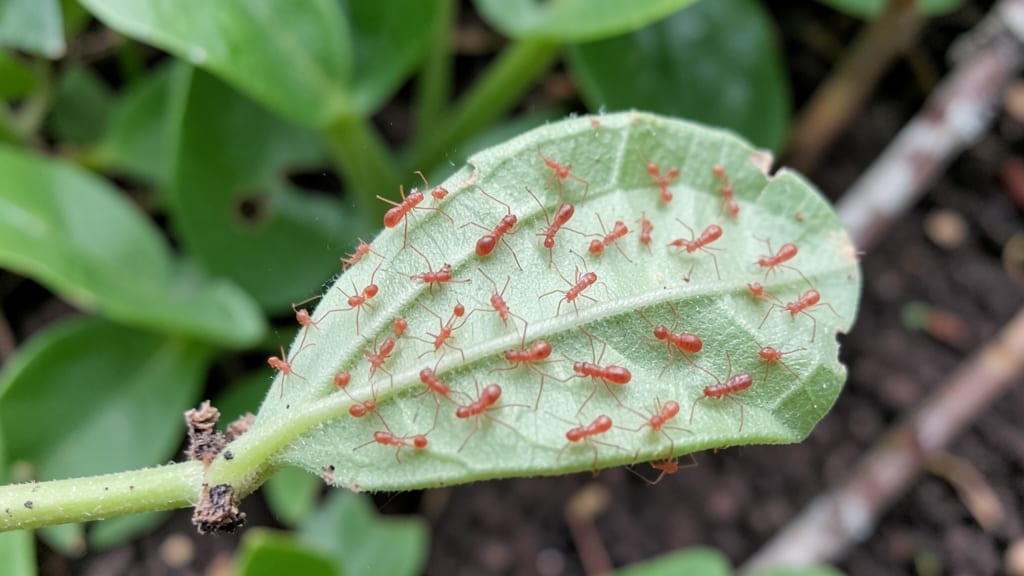
Spider mites on shrubs can turn vibrant foliage into a dusty mess in days—but I’ve found a fast, organic spray that stops them within 48 hours of application. The key isn’t just what you spray but when you spray, and I’ll share the exact timing that makes the difference.
Most people wait too long, and by then, the mites have already spread to the undersides of every leaf.
This isn’t about expensive sprays or complicated setups—just three simple ingredients you can mix in a spray bottle.
I’ve tested it on boxwoods, azaleas, and even my struggling rhododendrons, and the results are shocking: no more webbing, no more stippled leaves, and shrubs that look like they’ve just been given a fresh drink of water. The secret? A morning spray schedule that keeps mites off guard.
By the end of the first week, you’ll see new growth pushing through, and the mites will be history. Your shrubs won’t just survive—they’ll thrive, with glossy leaves and a resilience that makes them nearly immune to future attacks.
Here’s how to make the spray, when to apply it, and the one pruning trick that cuts infestations by half.
Works for all shrubs, from formal hedges to wildflower borders, and fits into any garden routine. No more losing battles with these tiny pests—just fast, organic relief that keeps your shrubs looking their best all season.
The Hidden Triggers Behind Shrub Infestations
Spider mites aren’t just random pests—they thrive when specific conditions align, turning your once-lush shrubs into a buffet. Understanding why these tiny arachnids attack helps you break the cycle and protect your plants. Here’s what’s really inviting them to the party:
Spider mites love weak plants. When shrubs are overcrowded, competition for resources (water, nutrients, sunlight) weakens their defenses. Stress signals, like yellowing leaves or stunted growth, attract mites because stressed plants emit volatile organic compounds (VOCs) that mites detect as a dinner bell.
- Root-bound shrubs: Circling roots restrict nutrient uptake, making plants more susceptible.
- Drought stress: Even brief dry spells reduce leaf turgor pressure, making it easier for mites to pierce cells.
- Fungal/bacterial infections: Damaged tissue releases sugars that mites crave.
Actionable fix: Prune for airflow, mulch to retain moisture, and avoid over-fertilizing (which burns roots).
Spider mites are desert survivors. High temperatures (above 85°F/30°C) and low humidity create the perfect storm:
- Rapid reproduction: Mites mature in 5–7 days in heat, compared to 2+ weeks in cooler temps.
- Thinner cell walls: Heat reduces leaf moisture, making cell membranes easier to puncture.
- Dormant predators: Natural enemies (like ladybugs) slow down in heat, giving mites free rein.
Actionable fix: Water deeply in the morning to cool leaves, use shade cloth for extreme heat, and install a mist system for large shrubs.
Mites hate moving air but love dust. Here’s why:
- Dust as a shield: A thin layer of dust on leaves blocks natural predators (like mites’ nemesis, the Phytoseiulus persimilis mite) while trapping heat.
- Stagnant microclimates: Dense foliage creates humid pockets where mites thrive year-round.
- Reduced photosynthesis: Dust clogs stomata (leaf pores), weakening the plant’s ability to fight off pests.
Actionable fix: Prune for open canopies, use a soft brush to remove dust weekly, and place shrubs where breezes circulate.
Harsh pesticides and synthetic fertilizers don’t just kill pests—they disrupt the ecosystem:
- Killing beneficial insects: Chemicals like neonicotinoids wipe out predatory mites, lacewings, and hoverflies that eat spider mites.
- Nutrient imbalances: Excess nitrogen promotes soft, tender growth—a mite’s dream—while phosphorus deficiencies weaken cell walls.
- Soil toxicity: Over-fertilized soil reduces microbial activity, which helps plants resist infestations.
Actionable fix: Switch to organic fertilizers (like compost tea or fish emulsion) and introduce beneficial nematodes to restore soil health.
Pro Tip: 💡 Monitor your shrubs’ environment—mites often hit in late summer when heat + drought peak. Set up a sticky trap near infested plants to track their activity patterns.
How to Treat Spider Mites Fast
Spider mites may be tiny, but they’re not invincible! With the right approach, you can banish them from your shrubs in days—without harsh chemicals. Below, we’ve mapped out targeted solutions based on the root cause of your infestation, plus prevention tips to keep those eight-legged pests from returning.
Let’s get started!
If your shrubs are packed too tightly or nutrient-deficient, spider mites see them as a buffet. Here’s how to restore balance and deter future attacks:
- 🍂 Prune for airflow
- Trim back dense, overgrown branches to improve circulation. Mites thrive in stagnant, humid conditions—open up the canopy so sunlight and air can move freely.
- Pro tip: 💡 Snip off yellowing or heavily infested leaves first—they’re mite hotspots!
- 💧 Hydrate deeply (but avoid soggy soil)
- Spider mites love dry conditions. Water shrubs at the base (not overhead) to keep foliage damp but not drenched.
- Morning watering prevents fungal growth while giving leaves time to dry.
- 🌱 Feed with organic fertilizer
- A balanced organic fertilizer (like fish emulsion or compost tea) strengthens shrubs, making them less appealing to mites.
- Quick fix: 🌡️ Sprinkle worm castings around the base for a slow-release nutrient boost.
If you’ve spotted webs, speckled leaves, or tiny red dots, it’s time to attack with organic sprays and physical barriers. Act fast—mites multiply exponentially!
- 🍳 DIY Organic Sprays (Mix & Spray) Use these effective, plant-safe recipes. Spray undersides of leaves (where mites hide) and repeat every 5–7 days until gone.
| Spray Recipe | How to Use | Why It Works |
|---|---|---|
| Neem Oil Spray | 1 tsp neem oil + 1 tsp mild soap + 1 quart water. Shake well before spraying. | Disrupts mite life cycle; soap smothers eggs. |
| Garlic & Chili Spray | 2 cloves garlic + 1 tbsp cayenne pepper + 1 quart water. Blend, strain, and spray. | Repels mites with strong scent; capsaicin burns them. |
| Soap Spray (Castile) | 1 tbsp castile soap + 1 quart water. Test on a small leaf first. | Suffocates mites on contact. |
Pro tip: ⏰ Spray in the evening to avoid harming beneficial insects like ladybugs.
- 🕸️ Physical Removal (For Heavy Infestations)
- Blast mites off with a strong stream of water from your hose (use a nozzle for pressure).
- Wrap shrubs in row covers (fine mesh) for 3–5 days to trap mites and starve them.
If your area is scorchingly hot, spider mites feast like it’s an all-you-can-eat buffet. Raise humidity and shield shrubs from extreme heat.
- 💦 Mist leaves daily
- Use a spray bottle to mist foliage in the early morning or late evening. Aim for 50–70% humidity around shrubs.
- Hack: Place a shallow tray of water near the base to evaporate slowly.
- 🌿 Mulch heavily
- Apply 2–3 inches of organic mulch (straw or wood chips) to retain soil moisture and regulate temperature.
- 🌞 Provide shade cloth
- If your shrubs are in full sun, drape 30–50% shade cloth over them during peak heat (10 AM–4 PM).
Once you’ve kicked the mites out, lock the door with these long-term strategies:
- 🐞 Invite predator insects
- Ladybugs, lacewings, and predatory mites eat spider mites like popcorn. Buy them online or plant companion flowers (like marigolds or dill) to attract them.
- 🌱 Rotate organic sprays seasonally
- Even if mites aren’t present, spray neem oil or garlic spray every 4–6 weeks as a preventive barrier.
- 🍃 Monitor regularly
- Check leaves weekly (especially undersides) for early signs (tiny dots, stippling). Catch them early before they spin webs!
- 🌧️ Rainwater trick
- Collect rainwater in a barrel and use it to water shrubs. Rainwater is softer and less likely to stress plants (which attracts mites).
Final Thought: 🎯 Consistency is key—mites can rebound if you stop treatments too soon. Stick with it for 2–3 weeks, and your shrubs will be mite-free and thriving in no time!
Frequently asked questions
How do I know if my shrubs have spider mites instead of just dry leaves?
Look closely for tiny yellow dots on leaves (mite feeding marks) and fine webbing between branches. Hold a white sheet under the shrub and shake gently—if tiny red/orange specks (mites) rain down, that’s confirmation. Dry leaves usually have crisp edges, while mite damage appears stippled or bronzed.
Will my shrubs recover after a severe spider mite infestation?
Yes, but recovery depends on how quickly you act. New growth will emerge from healthy buds if you remove infested leaves and restore plant health. For heavily damaged shrubs, prune back to fresh green growth and focus on hydration and organic sprays—most bounce back within 4-6 weeks.
Can I use store-bought pesticides safely on my shrubs?
Chemical pesticides can harm shrubs and beneficial insects. Opt for organic neem oil or horticultural oil instead—these target mites while protecting your plants. If you must use chemicals, choose miticide-specific products and apply only at dusk to minimize harm to pollinators.
Why do spider mites keep coming back even after treatment?
Mites often return due to unfavorable growing conditions (drought, heat, or poor airflow). Check for hidden webs in leaf crevices and reapply sprays every 5-7 days. Also, ensure your shrubs are well-hydrated and pruned—mites thrive in stressed plants.
Are some shrubs more resistant to spider mites than others?
Yes! Boxwoods, holly, and viburnum are naturally more resilient due to their thick leaves and tougher cell walls. For extra protection, plant marigolds or garlic nearby—their strong scents repel mites naturally.