
Shrubs
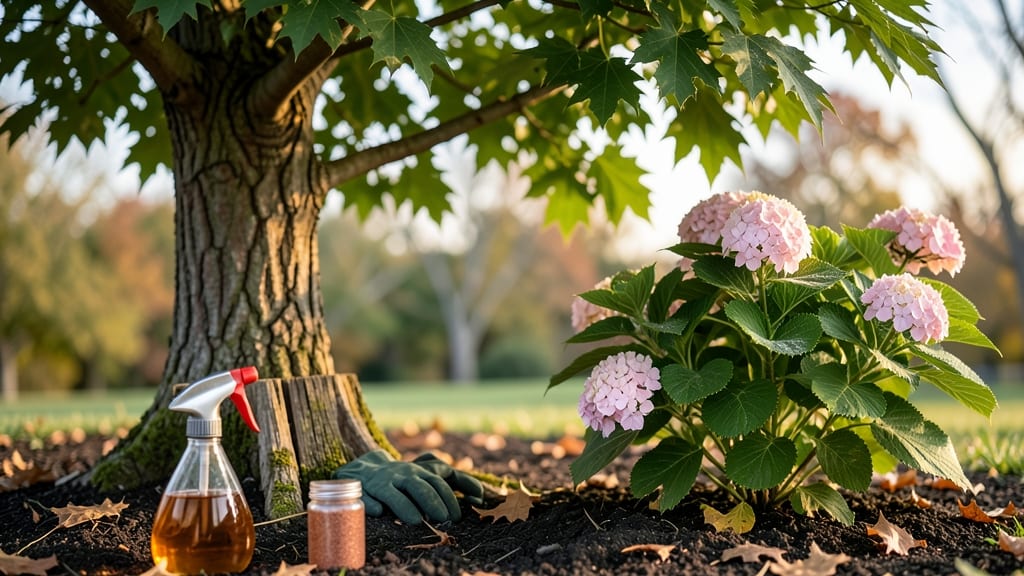
The best fungicide for trees and shrubs is copper-based or systemic fungicides like myclobutanil or propiconazole, which target common diseases such as powdery mildew, anthracnose, and black spot while minimizing harm to plants and beneficial insects. Always follow label instructions for application timing and safety.
When choosing a fungicide for your landscape, the key is matching the treatment to the specific threat. 🌿 Copper fungicides work by disrupting fungal cell walls, making them ideal for surface-level issues like leaf spot, while systemic options like myclobutanil move through the plant's vascular system to tackle stubborn infections such as anthracnose.
Many gardeners swear by neem oil for organic solutions, though it requires more frequent applications—about every 7-14 days—to maintain effectiveness. The right choice depends on your plants' current health and the severity of the infection.
For fast results, I recommend pre-mixed sprays like Bonide Copper Fungicide or Ortho Fungus Control, which combine broad-spectrum protection with ease of use.
These products typically cover up to 1,000 square feet per gallon and can be applied with a standard sprayer, making them perfect for both small shrubs and large trees. Always test a small area first, as some sensitive varieties may react to copper-based treatments.
Timing matters just as much as the product—most fungicides work best when applied at the first sign of disease, before spores spread. For example, powdery mildew thrives in humid conditions, so early morning applications during wet seasons give you the upper hand.
Pro tip: Pair your fungicide with proper spacing between plants to improve airflow and reduce moisture buildup, which naturally deters fungal growth. 🌱
💡 In This Article
- How Systemic vs Contact Fungicides Work for Tree Health
- Top 5 Fungicides for Specific Tree and Shrub Diseases
How systemic vs contact fungicides work for tree health
Systemic fungicides like myclobutanil or propiconazole work by being absorbed into the plant's vascular system, where they circulate through leaves, stems, and roots. This internal delivery system allows them to combat fungal infections at their source—often deep within plant tissues—making them highly effective against diseases like anthracnose or black spot.
When applied, these fungicides disrupt the fungal cell's ability to synthesize essential proteins, effectively starving the pathogen. For example, myclobutanil inhibits a specific enzyme called sterol demethylase, which fungi need to build cell membranes.
Contact fungicides, such as copper-based solutions, operate differently—they form a protective barrier on the plant's surface. Copper ions interfere with fungal spores' respiration and nutrient absorption, preventing them from germinating or spreading. This makes them ideal for surface-level issues like powdery mildew or leaf spot.
The downside? They only protect areas they directly contact, so repeated applications (every 7-14 days) are often necessary during active disease seasons. Copper fungicides also require thorough coverage, as missed spots can become hotspots for fungal regrowth.
Timing is critical for both types. Systemic fungicides typically provide protection for 2-4 weeks, depending on the product, while contact fungicides offer immediate but short-lived defense.
For instance, applying a copper spray on a humid morning can prevent powdery mildew from taking hold, but you’ll need to reapply after rain or every 10 days. The key is to treat at the first sign of infection—before spores spread.
Many gardeners use a preventative schedule, applying fungicides every 2-3 weeks during peak disease seasons (spring and fall) to stay ahead of fungal threats.
Understanding the disease also guides your choice. Systemic fungicides excel against internal infections like root rot or vascular wilt, where pathogens reside inside the plant. Contact fungicides shine for foliar diseases that start on leaves or stems.
For example, if your azaleas show brown, crinkled leaves (a sign of anthracnose), a systemic fungicide like propiconazole will penetrate the tissue to stop the spread. But if your roses develop white, powdery patches (powdery mildew), a copper spray will smother the spores before they multiply.
Another factor is plant sensitivity. Some trees, like fruit-bearing varieties, can suffer phytotoxicity (leaf burn) from copper-based treatments if applied incorrectly. Always test a small area first, especially on sensitive species like boxwoods or magnolias.
Systemic fungicides generally pose less risk, but overuse can lead to resistance in fungal populations, reducing long-term effectiveness. Rotating between different active ingredients—like alternating copper with myclobutanil—helps maintain their potency.
Environmental conditions also play a role. Humidity and temperature affect how quickly fungicides work. For instance, copper fungicides perform best in temperatures between 50-85°F, while systemic options like propiconazole are more stable across a wider range.
Rain can wash off contact fungicides, so timing applications just before predicted rainfall or using adjuvants (like horticultural oils) can improve adhesion and longevity.
Here’s a quick comparison to help you decide:
- Systemic Fungicides: Best for internal diseases (anthracnose, root rot); long-lasting (2-4 weeks); absorbed into plant tissues.
- Contact Fungicides: Ideal for surface diseases (powdery mildew, leaf spot); short-term protection; requires frequent reapplication.
For most gardeners, a combination of both—using systemic fungicides for stubborn infections and contact sprays for preventative care—yields the best results. 🌱