
Fertilization
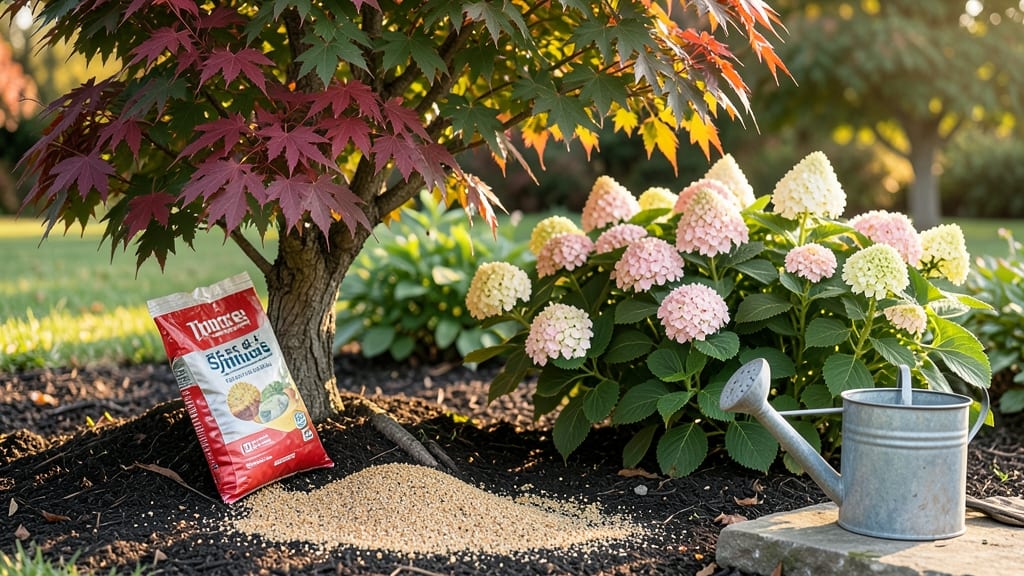
To fertilize trees and shrubs at the best times, aim for early spring (just before new growth) and late fall (after leaf drop), when roots are most active and can absorb nutrients efficiently. Adjust timing for evergreens or newly planted species, and avoid fertilizing during drought or extreme heat.
Timing matters because trees and shrubs enter growth cycles tied to seasonal changes. In early spring, roots wake up from dormancy and need nutrients to fuel new leaves and branches. 🌱 Meanwhile, late fall fertilization helps plants store energy for winter survival.
Evergreens, which stay active year-round, often benefit from a lighter feeding in early spring only. I’ve learned that skipping fertilizing during drought or extreme heat prevents stress—plants focus on survival, not growth, during these periods.
For newly planted trees and shrubs, the first feeding should wait until the second year to avoid overstimulating root development before they’re established.
Fruit-bearing trees like apples or peaches need extra attention in early spring to support blossoming, while flowering shrubs like azaleas respond best to fall fertilization for next year’s blooms. Always check the soil first—moisture and temperature create the perfect conditions for nutrient uptake.
💡 In This Article
- How Seasonal Changes Affect Tree and Shrub Fertilization Needs
- Plant-Specific Fertilization Schedules for Trees and Shrubs
How seasonal changes affect tree and shrub fertilization needs
Seasonal timing for fertilization isn't random—it's rooted in plant biology. In early spring, soil temperatures typically rise above 50°F, triggering root systems to flush with new growth. This is when trees and shrubs naturally seek nutrients to fuel leaf production and branch expansion.
The roots' increased activity creates a perfect window for nutrient absorption, with studies showing uptake efficiency peaks when soil temps hover between 55-65°F. This is why a spring feeding provides the most bang for your buck in terms of visible growth.
Fall fertilization works differently. As days shorten and temperatures drop, deciduous plants prepare for dormancy by storing nutrients in their roots. Applying fertilizer in late fall (after leaves have fallen) gives these plants a head start on next year's growth cycle.
Evergreens, which stay active year-round, actually have different needs—their roots remain active in winter but grow more slowly. That's why they typically only need one light feeding in early spring, avoiding fall applications that could stimulate late-season growth vulnerable to frost damage. 🌿
The science gets even more interesting when you consider climate zones. In warmer southern regions (USDA zones 8-10), fall fertilization might extend into November, while northern climates (zones 3-6) should wrap up by early October.
This shift accounts for frost dates and how long plants have to absorb nutrients before winter sets in.
For example, in zone 5, I've seen maple trees show significantly better spring growth when fertilized in early May compared to late April, when soil temps are still too cool for optimal uptake.
What most gardeners overlook is how soil moisture interacts with these seasonal windows. Fertilizer only becomes effective when dissolved in water and transported to roots. That's why applying it during dry spells is counterproductive—plants conserve water and nutrients aren't absorbed.
The ideal scenario is when soil is moist but not waterlogged, which is why early spring (after winter rains) and fall (after seasonal rainfall) provide the best conditions. In my experience, a simple soil moisture test before fertilizing can save you from wasting expensive nutrients.
Let's talk about what happens when you fertilize at the wrong time. Applying nutrients during summer drought stresses plants by forcing them to divert energy toward growth instead of survival. The same goes for late summer applications that stimulate new growth vulnerable to early frosts.
I once watched a neighbor's newly planted dogwoods develop tender new shoots in September that were completely killed by a surprise frost—something that could have been avoided with proper timing. The lesson? Always consider your local climate patterns and plant types when planning your fertilization schedule.
One fascinating detail is how different tree species respond to these seasonal cues. Fruit trees like apple or peach actually need two spring feedings: one just before blossoming and another after fruit set. This two-phase approach supports both flowering and fruit development.
Meanwhile, flowering shrubs like hydrangeas benefit more from fall fertilization, as they set next year's buds during winter dormancy. Understanding these species-specific patterns is key to maximizing your fertilization efforts. 🌸