
Fertilization
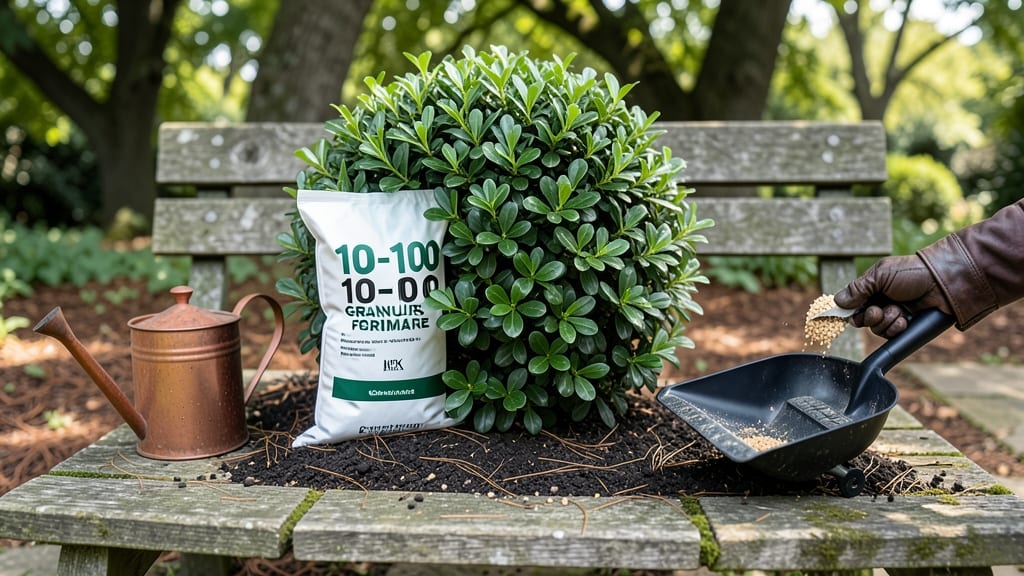
For shrubs, 10-10-10 fertilizer works best when applied at 1 to 2 pounds per 100 square feet of garden bed twice yearly—spring and early fall—with thorough watering afterward to prevent root burn. Avoid overuse, as excess nitrogen can harm shrubs over time.
This balanced fertilizer's equal parts nitrogen, phosphorus, and potassium make it ideal for shrubs that need steady growth without overstimulating foliage at the expense of flowers. 🌿 The key is timing—spring kickstarts new growth, while fall preps roots for winter, but too much nitrogen can lead to weak stems or leaf burn.
I always recommend mixing it into the top inch of soil rather than surface application for better nutrient absorption.
What sets 10-10-10 apart is its versatility—it works for both evergreens and flowering shrubs, unlike high-phosphorus blends designed for bloomers. Just remember: water deeply after application to activate the granules and prevent chemical buildup near the roots.
💡 In This Article
- How 10-10-10 Fertilizer Balances Shrub Growth
- Step-by-Step Guide to Applying 10-10-10 for Shrubs
How 10-10-10 fertilizer balances shrub growth
The 10-10-10 ratio means each component—nitrogen (N), phosphorus (P), and potassium (K)—is present at 10% by weight. This balance is crucial because shrubs need all three nutrients in harmony: nitrogen promotes leafy growth, phosphorus strengthens roots and encourages flowering, while potassium regulates water and nutrient uptake.
Unlike high-nitrogen fertilizers (like 20-10-10) that push rapid foliage growth, 10-10-10 prevents overstimulation, which can lead to weak stems or leaf burn in shrubs.
For example, azaleas thrive with 10-10-10 because their natural growth cycle benefits from equal support for both flowers and foliage. 🌸 The phosphorus component (10%) is particularly important for root development during early spring, while the potassium (10%) helps shrubs withstand temperature fluctuations.
In contrast, flowering shrubs like roses often need higher phosphorus (e.g., 10-20-10) to boost bloom production, but 10-10-10 remains a safe, all-purpose choice for most shrubs.
What makes 10-10-10 ideal is its gradual nutrient release. The granules dissolve slowly, providing a steady supply over 4-6 weeks, which aligns perfectly with shrubs' seasonal needs. This contrasts with fast-acting fertilizers that can cause nutrient spikes, stressing plants.
The balanced ratio also minimizes the risk of salt buildup in the soil, a common issue with high-potassium or high-nitrogen blends.
Consider the texture of 10-10-10 granules—they’re coarse and dry, designed to resist clumping and ensure even distribution. When mixed into the top 1-2 inches of soil, they activate fully with moisture, unlike surface-applied fertilizers that can bake in the sun and lose potency.
This makes 10-10-10 a practical choice for both novice and experienced gardeners.
For shrubs like boxwoods or hollies, the balanced ratio prevents the "leafy monster" effect seen with high-nitrogen fertilizers. 🌿 The phosphorus supports root expansion, while potassium enhances disease resistance—a critical factor for shrubs in urban environments where stress from pollution is common.
Unlike specialized fertilizers, 10-10-10 adapts to most shrub types without requiring soil tests, though acidic-loving plants (like rhododendrons) may benefit from a slow-release version.
One nuance is that evergreen shrubs often need slightly less nitrogen than deciduous ones. For instance, a 1-pound application per 100 sq ft in spring may suffice for boxwoods, while a 2-pound dose could overstimulate a young holly.
Always adjust based on the shrub’s age and health—mature shrubs with established root systems tolerate the full range better than newly planted ones.