
Light Requirements
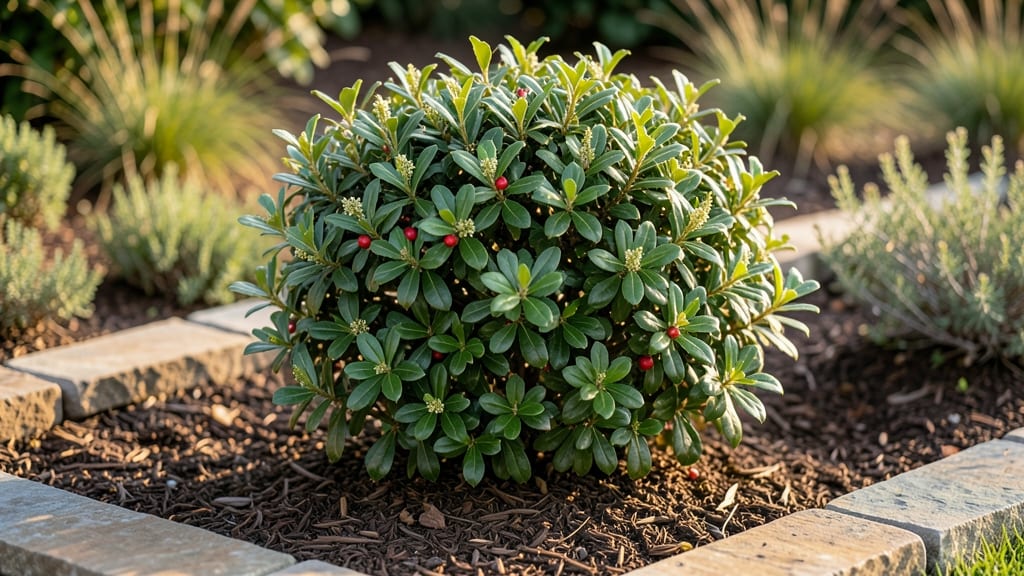
Evergreen shrubs for Zone 9 full sun are the secret to a thriving, low-maintenance landscape that stays lush and vibrant even under the hottest Texas skies—think Texas Sage or Lantana, which refuse to wilt or fade no matter the season. 🌿 I've learned the hard way that regular garden center shrubs won't cut it here; you need plants that store water in their leaves and roots, like the ones that thrive in my front yard without extra fuss.
The key is matching plants to your soil and sunlight. Most Zone 9 evergreens love well-draining soil and six or more hours of sun daily. My Texas Sage, for example, thrives in rocky, sandy soil that would kill most plants, while Lantana handles clay if you amend it right.
Both need minimal water once established—just 1 inch per week during dry spells.
What you'll end up with is lush, green year-round privacy that never needs replanting. The fragrance of Oleander in summer and the cheerful blooms of Lantana keep the neighborhood buzzing, and the drought resistance means no more water bills for thirsty shrubs.
Pruning is simple too—just trim back after flowering to keep them compact.
Even in Zone 9's heat, these shrubs stay green and productive. The trick is choosing the right species and giving them a good start with proper soil prep. Here's how to make it happen without the guesswork.
📚 In This Guide
- What you need
- Instructions
- Tips and common mistakes
- Wrapping up and next steps
What you need
- ● Evergreen shrubs (Zone 9, full-sun varieties): 3–5 mature plants (e.g., Abelia × grandiflora, Lantana camara, or Nandina domestica)
- ● 1–2 gallon containers per plant (or bare-root if preferred)
- ● Soil amendments: 5–10 lbs compost (for enriched planting holes)
- ● 2–3 lbs slow-release fertilizer (10-10-10 or similar, organic preferred)
- ● Tools: 1 shovel or spade (for digging)
- ● 1 hand trowel (for precision planting)
- ● 1 pruning shears (sterilized, for trimming)
- ● 1 watering can or hose with adjustable nozzle (1–2 gallons capacity)
- ● 1 measuring tape (for spacing plants 3–6 ft apart)
- ● Mulch: 2–3 bags wood chips or gravel mulch (3–4 inches deep, organic or inorganic)
- ● Soil test kit (to check pH/nutrient levels—ideal range: 6.0–7.0)
- ● Drip irrigation system (for automated watering in drought-prone areas)
- ● Plant stakes or labels (to track varieties and support young shrubs)
- ● Garden gloves (for comfort and hygiene)
- ● Epsom salt (1 tbsp per plant, for magnesium boost if leaves yellow)
Step-by-step guide to selecting and planting evergreen shrubs for Zone 9 full sun
Here’s how to choose and plant drought-resistant evergreens that stay lush and vibrant all year.
🌱 Step 1: Choose the Right Evergreen Varieties for Zone 9
Start with shrubs proven to thrive in Zone 9’s heat and full sun. My top picks include Texas Sage (Leucophyllum frutescens), Dwarf Yaupon Holly (Ilex vomitoria ‘Nana’), and California Lilac (Ceanothus)—all tolerate drought once established and handle 100°F+ temperatures with ease.
Check the mature size before buying—Texas Sage grows 3-6 feet tall, while Dwarf Yaupon stays 3-4 feet. Planting too close to structures or other plants leads to overcrowding and competition for water. I always sketch a rough layout first to visualize spacing.
🪴 Step 2: Prepare the Planting Site for Full Sun Success
Evergreens in full sun need well-draining soil to prevent root rot. Test your soil—if it’s heavy clay, amend with 3-4 inches of compost mixed into the top 12 inches of soil. Zone 9’s summer heat dries out soil fast, so improving drainage is key.
Dig holes twice as wide as the root ball but only as deep. Place each shrub so the top of the root ball sits level with the ground—burying too deep suffocates roots, while planting too high stresses the plant. Water the hole before inserting the shrub to help roots settle.
☀️ Step 3: Plant and Water for Immediate Establishment
Gently remove the shrub from its container and loosen any circling roots. Place it in the hole, then backfill with native soil mixed with 1 cup of slow-release fertilizer per plant. Press lightly around the base to eliminate air pockets, but don’t compact the soil.
Water deeply right after planting—1-2 gallons per shrub—to encourage roots to spread. Mulch with 2-3 inches of wood chips or gravel, keeping it 6 inches away from the stem to prevent rot. This mulch layer locks in moisture and regulates soil temperature, which is critical in Zone 9’s intense sun.
💧 Step 4: Maintain Through the First Critical Year
Water newly planted evergreens once a week for the first year, providing 1-2 gallons per shrub each time. After that, they’ll handle drought, but young roots need consistent moisture to establish. I water in the early morning to reduce evaporation and fungal risks.
Fertilize lightly in early spring with a balanced, slow-release fertilizer (10-10-10). Over-fertilizing in Zone 9’s heat burns roots. Prune only to shape in late winter or early spring—never in summer, as it stresses the plant during peak heat.
✂️ Step 5: Long-Term Care for Year-Round Beauty
Once established, these shrubs need minimal watering—only during prolonged dry spells. Prune annually in late winter to remove dead or crossing branches and maintain shape. I use clean, sharp shears to make cuts just above a leaf node for healthy regrowth.
Watch for scale insects or spider mites—common pests in full sun. Spray with neem oil if you spot webbing or sticky residue. With proper care, your evergreens will stay vibrant, drought-resistant, and low-maintenance for decades.
Tips & tricks for perfect evergreen shrubs in Zone 9 full sun
A few key strategies will help you avoid common pitfalls and ensure your evergreens thrive in Zone 9's challenging conditions.
Selection Wisdom: When choosing your shrubs, prioritize native or well-adapted varieties like Texas Sage or Dwarf Yaupon Holly. These plants have evolved to handle Zone 9's heat and drought naturally. I always check the mature size labels—Texas Sage's 3-6 feet height means you'll need to plant it at least 6 feet from structures to prevent overcrowding as it grows. Sketching a rough layout first helps visualize spacing and prevents future issues with overcrowding.
Soil Preparation: The 3-4 inches of compost mixed into the top 12 inches of soil is crucial for improving drainage in heavy clay soils. I recommend testing your soil first—if it's already well-draining, you can reduce the compost to 2 inches. For sandy soils, add an extra inch of compost to help retain moisture during those first critical months. Always water the hole before inserting the shrub to help roots settle properly.
Planting Depth: Getting the planting depth right makes all the difference. The top of the root ball should sit level with the ground—burying too deep suffocates roots, while planting too high stresses the plant. I use a level tool to double-check this, especially when planting multiple shrubs. After planting, press lightly around the base to eliminate air pockets without compacting the soil too much.
Watering Strategy: The 1-2 gallons of water per shrub right after planting is essential, but timing matters too. I water in the early morning to reduce evaporation and fungal risks. For the first year, that weekly watering schedule keeps young roots establishing properly. After that, these drought-resistant beauties will handle themselves—just monitor during prolonged dry spells.
Pro Tips for Evergreen Shrubs Zone 9 Full Sun
- A few key strategies will help you avoid common pitfalls and ensure your evergreens thrive in Zone 9's challenging conditions.
- Selection Wisdom: When choosing your shrubs, prioritize native or well-adapted varieties like Texas Sage or Dwarf Yaupon Holly.
- Soil Preparation: The 3-4 inches of compost mixed into the top 12 inches of soil is crucial for improving drainage in heavy clay soils.
Frequently asked questions
Got questions about selecting, planting, or maintaining evergreen shrubs in Zone 9 full sun? Here are some of the most common ones—and their answers!
What are the best drought-resistant evergreen shrubs for Zone 9 full sun?
Top picks include Texas Sage (Leucophyllum frutescens), Dwarf Yaupon Holly (Ilex vomitoria 'Nana'), and Lantana (Lantana camara). These thrive with minimal water once established and handle Zone 9’s intense sun beautifully. For extra texture, try Dwarf Mexican Petunia (Ruellia brittoniana)—it’s tough and colorful!
How long does it take for evergreen shrubs to become fully drought-tolerant?
Most evergreens need 1–2 years of consistent watering (about 1 inch per week) to develop deep roots. After that, they’ll handle dry spells like pros! Pro tip: Mulch around the base to retain moisture and reduce evaporation.
Can evergreen shrubs survive Zone 9’s heat waves without wilting?
Yes! Native and adapted evergreens like Texas Ranger (Leucophyllum langmaniae) and Desert Willow (Chilopsis linearis) are heat-resistant. If you notice wilting, it’s often due to underwatering—not heat. Water deeply once a week during extreme heat, then taper off as temps drop.
What’s the best time to prune evergreen shrubs in Zone 9?
Prune after flowering (late spring to early summer) for most shrubs. Avoid heavy pruning in winter, as new growth may be damaged by cold snaps. For Lantana, a light trim in early spring keeps it bushy. Always use sterilized shears to prevent disease!
Why are my evergreen shrubs losing leaves in full sun?
Leaf drop in full sun is often caused by transplant shock, overwatering, or pests like spider mites or scale. Check for yellowing leaves (overwatering) or sticky residue (pests). Adjust watering and treat pests with neem oil if needed. Pro tip: Ensure soil drains well—Zone 9’s clay soil can suffocate roots!
Are there non-flowering evergreen shrubs that work well in full sun?
Try Dwarf Italian Cypress (Cupressus sempervirens 'Glauca Globosa') or Boxwood (Buxus sempervirens) for year-round structure. Rosemary (Rosmarinus officinalis) is another fragrant, low-maintenance option. These add texture and privacy without needing blooms!
Wrapping up and next steps
Transforming your Zone 9 full-sun garden with evergreen shrubs is easier—and more rewarding—than you think! These drought-resistant beauties bring year-round color, texture, and low-maintenance charm while thriving in even the harshest conditions.
Whether you’re a seasoned gardener or just starting, your space is ready for a lush, vibrant upgrade that saves water and steals the show.
Ready to take the next step? Pick 1-2 shrubs from our top picks, sketch a simple layout, and start planting—your future garden will thank you! 🌿✨