
Vegetables
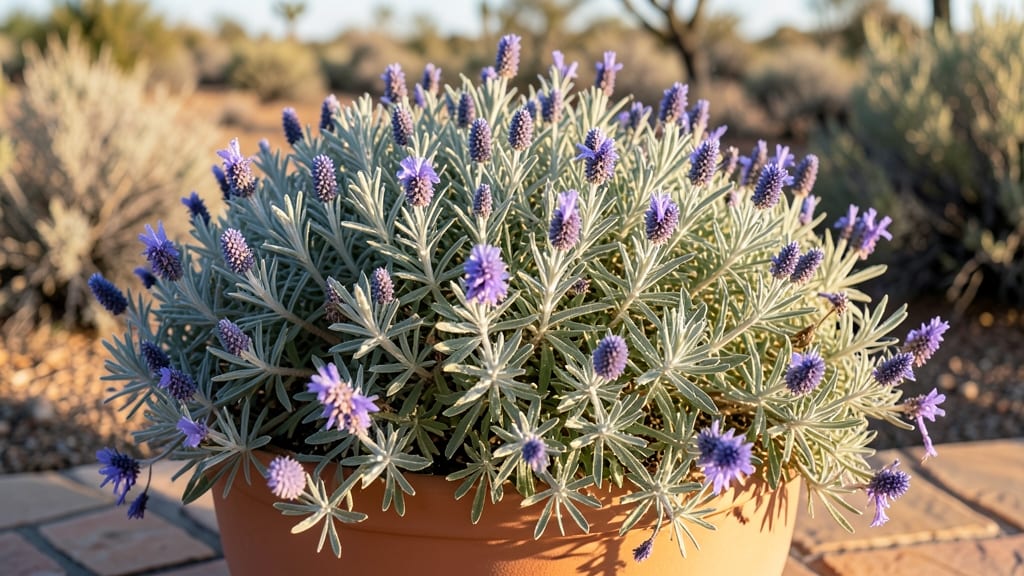
Your Green Cloud Texas Sage will transform your landscape with its silvery foliage and intoxicating fragrance—all while demanding almost no care. 🌿 This drought-resistant shrub thrives in full sun and poor soil, making it perfect for low-maintenance gardens in zones 8–11.
Once established, it needs water only when the soil is bone-dry, and its minimal pruning requirements mean less work for you.
Planting is straightforward: dig a hole twice as wide as the root ball, mix in some gravel for drainage, and place it where it gets at least 6 hours of sun daily. The secret to its success lies in its adaptability—it tolerates heat, wind, and even urban pollution.
After the first year, you’ll barely need to water it again, and its fragrant blooms will reward you with color from late summer into fall.
What you’ll love most is how effortlessly it fills space while requiring almost no upkeep. Its silvery leaves add texture to any garden, and the scent—especially after rain—is unforgettable. Prune only to shape it, and you’ll enjoy a shrub that looks stunning with almost no effort.
Pair it with lavender or rosemary for a fragrant, drought-tolerant border that thrives together.
Common issues like leaf drop usually mean it’s thirsty, but once settled, it’s nearly indestructible. Deer and rabbits often avoid it, making it a great choice for wildlife-resistant landscapes. With the right spot, this sage will outlast trendy annuals and keep your garden looking lush with minimal fuss.
📚 In This Guide
- What you need
- Instructions
- Tips and common mistakes
- Wrapping up and next steps
What you need
- ● Green Cloud Texas Sage Shrub: 1 mature plant (3–4 feet tall, 3–5 feet wide) or 3–5 nursery-grown seedlings (1–2 feet tall). Look for healthy, bushy specimens with vibrant green foliage.
- ● Well-draining soil: 5–10 cubic feet of cactus/succulent mix or amended native soil (sandy loam with 50% perlite/pumice for drainage). Test soil pH (6.0–8.0 ideal).
- ● Container or planting site: In-ground: Full sun (6+ hours/day) with space for mature size (5+ feet wide).
- ● Container: 1–2 large pots (18"+ diameter) with drainage holes, or a raised bed (minimum 12" depth).
- ● Organic mulch: 2–3 cubic feet of gravel, decomposed granite, or bark chips (2–3 inches deep) to retain moisture and deter weeds.
- ● Watering can or hose with gentle nozzle: 1–2 gallons capacity for initial watering.
- ● Pruning shears: Bypass pruners (sharp, clean) for minimal shaping.
- ● Garden gloves: 1 pair (nitrile-coated for durability).
- ● Trowel or spade: For digging holes (12–18" deep/wide for in-ground planting).
- ● Slow-release fertilizer: 1 lb of balanced 10-10-10 or low-nitrogen option (e.g., 5-5-5) for planting.
- ○ Drip irrigation kit (optional): For automated watering in containers or dry climates.
- ○ Plant support (optional): 1–2 stakes or a small trellis if training as a small hedge.
- ○ Compost or worm castings (optional): 1–2 cups mixed into soil for extra nutrients.
Step-by-Step guide to planting and caring for Green Cloud Texas Sage
Here's how to establish this fragrant, drought-tolerant beauty with confidence.
🪴 Step 1: Choose the Perfect Planting Location
Green Cloud Texas Sage thrives in full sun—at least 6-8 hours daily. I always pick the south or west side of the house where it gets maximum afternoon sun. The foliage will be densest and most aromatic when planted where it can soak up those hot afternoon rays.
Check your site in late afternoon when shadows are longest. The area should stay dry—this sage hates soggy roots. If your soil drains poorly, consider planting on a slight mound or in a raised bed. You'll know you've picked the right spot when the plant grows 2-3 feet tall and wide within its first growing season.
🌱 Step 2: Prepare the Soil and Plant
Texas Sage prefers well-draining soil with a slightly alkaline pH (7.0-8.0). Before planting, work in 2-3 inches of compost or aged manure to improve drainage and fertility. If your native soil is heavy clay, mix in 1 part sand or perlite to 3 parts soil to prevent root rot.
Dig a hole twice as wide as the root ball but only as deep. Gently remove the plant from its container and loosen any circling roots with your fingers. Place it in the hole so the top of the root ball sits 1 inch above soil level—this prevents water from pooling around the stem. Backfill with native soil and water deeply to settle everything.
☀️ Step 3: Water Establishment and First Year Care
Water deeply once a week during the first year to encourage deep root growth. You'll know it's getting enough when the soil 2-3 inches down feels slightly damp but not soggy. Overwatering is the biggest mistake—this plant stores water in its leaves and stems, so it's naturally drought-tolerant once established.
Apply a 2-3 inch layer of mulch around the base (keeping it 2 inches away from the stem) to conserve moisture and regulate soil temperature. I use shredded bark mulch because it breaks down slowly and improves soil structure over time. After the first year, you can reduce watering to every 2-3 weeks unless you're in extreme drought.
✂️ Step 4: Minimal Pruning for Shape and Health
Green Cloud Sage needs very little pruning—just a light trim in late winter or early spring before new growth begins. Remove any dead, diseased, or crossing branches first. Then, cut back any leggy growth by one-third to encourage bushier growth. You'll see new shoots emerge within 2-3 weeks.
This variety blooms beautifully, so I never prune back into old wood—just shape lightly after flowering to maintain its natural form. The fragrant foliage will reward you with silvery-green leaves that stay attractive all season. If you notice yellowing leaves, it's usually a sign of overwatering—cut back immediately and let the soil dry out completely.
🌿 Step 5: Year-Round Maintenance for Long-Term Beauty
Fertilize lightly in early spring with a balanced 10-10-10 fertilizer at half strength. This sage doesn't need much—too much nitrogen will make it grow too fast and become less drought-tolerant. Water deeply after fertilizing to help nutrients reach the roots.
Watch for spider mites in hot, dry weather—they love this plant. I check the undersides of leaves weekly and spray with water if I see webbing. For severe infestations, a neem oil solution works well. With proper care, your Green Cloud Sage will grow into a fragrant, low-maintenance shrub that's the centerpiece of your landscape for years.
Tips & tricks for perfect Green Cloud Texas Sage shrub
Here's what nobody tells you about making this fragrant beauty thrive with minimal effort.
Location is Everything: When selecting your planting spot in Step 1, pay special attention to afternoon sun exposure. The south or west side of your home gets the most intense sunlight, which is exactly what Green Cloud Texas Sage craves. I've seen plants in east-facing locations grow beautifully, but they never develop that same intense fragrance or dense foliage. Trust me on this—those hot afternoon rays are non-negotiable for maximum aroma.
The Soil Secret: In Step 2, don't just amend your soil—test it first. While Texas Sage prefers slightly alkaline soil (7.0-8.0 pH), many gardeners skip this test and end up with less-than-ideal results. If your soil tests acidic, add crushed limestone at a rate of about 5 pounds per 100 square feet to adjust the pH before planting. The 2-3 inches of compost you're adding will help, but it won't fully compensate for poor pH balance.
Watering Wisdom: The once-weekly deep watering in Step 3 is crucial, but timing matters just as much. Always water in the early morning so the foliage has all day to dry out. Wet leaves at night create the perfect environment for fungal diseases. I've learned this the hard way—after losing two plants to fungal infections, I now religiously water before 9 AM. Also, use a moisture meter to check that 2-3 inches down—your finger might not give you an accurate reading in dense soil.
Pruning Precision: When doing your light trim in late winter (Step 4), focus on creating an open center rather than just cutting back leggy growth. This variety blooms beautifully, and you want those flowers to get maximum sunlight. I cut back about one-third of the oldest stems to encourage new growth from the base. The 2-3 week regrowth period is your reward for patience—those new shoots will be the most fragrant part of your plant.
Pro Tips for Green Cloud Texas Sage Shrub
- Here's what nobody tells you about making this fragrant beauty thrive with minimal effort.
- Location is Everything: When selecting your planting spot in Step 1, pay special attention to afternoon sun exposure.
- The Soil Secret: In Step 2, don't just amend your soil—test it first.
Frequently asked questions
Got questions about growing Green Cloud Texas Sage? You’re not alone! Here are answers to the most common queries—from planting to pruning—so you can enjoy this fragrant, low-maintenance shrub with confidence.
How fast does Green Cloud Texas Sage grow?
This shrub grows at a moderate pace—expect about 12 inches per year under ideal conditions. In optimal Texas soil and climate, it can reach its mature height of 3–4 feet in 3–5 years. Patience pays off, as its silvery foliage and sweet fragrance make it worth the wait!
Does Green Cloud Texas Sage need frequent pruning?
One of its biggest perks? Minimal pruning! Light trimming after flowering (late spring) keeps it tidy, but it thrives with zero harsh cuts. Snip only to shape or remove leggy stems—no need for heavy-duty shears. Pro tip: Prune in early morning to avoid stressing the plant.
How often should I water Green Cloud Texas Sage?
Once established (after the first year), this drought-tolerant shrub needs very little water. Water deeply but infrequently—about once every 2–3 weeks in Texas’s dry heat, or less if rains are plentiful. Overwatering is the real enemy; soggy soil invites root rot. Mulch around the base to retain moisture.
Can Green Cloud Texas Sage handle full sun and heat?
Absolutely!
This shrub loves full sun (6+ hours daily) and Texas’s sweltering summers. Its silvery leaves reflect sunlight, reducing heat stress. In extreme 100°F+ temps, it may wilt slightly but bounces back with minimal care. Just ensure well-draining soil to prevent root issues.
What are some alternatives if I want a similar low-maintenance shrub?
If Green Cloud Texas Sage isn’t your vibe, try these fragrant, drought-resistant pals:
- Autumn Sage – Vibrant blooms, attracts pollinators
- Lantana – Colorful clusters, thrives in heat
- Texas Ranger Sage – Similar care, deeper purple flowers
Wrapping up and next steps
Transforming your outdoor space with a Green Cloud Texas Sage is a breeze—this fragrant, drought-resistant shrub offers beauty with minimal fuss! 🌿 Whether you’re drawn to its silvery foliage, sweet scent, or low-maintenance charm, this plant is a game-changer for any garden. Ready to elevate your landscape effortlessly?
🌱 Your Next Step: Plant & Enjoy!
Start by selecting the perfect spot, gathering your tools, and following the simple steps outlined above. Before you know it, your Green Cloud Texas Sage will thrive, filling your garden with color and fragrance—all while saving you time and water. Happy planting! 🌟