
Shrubs
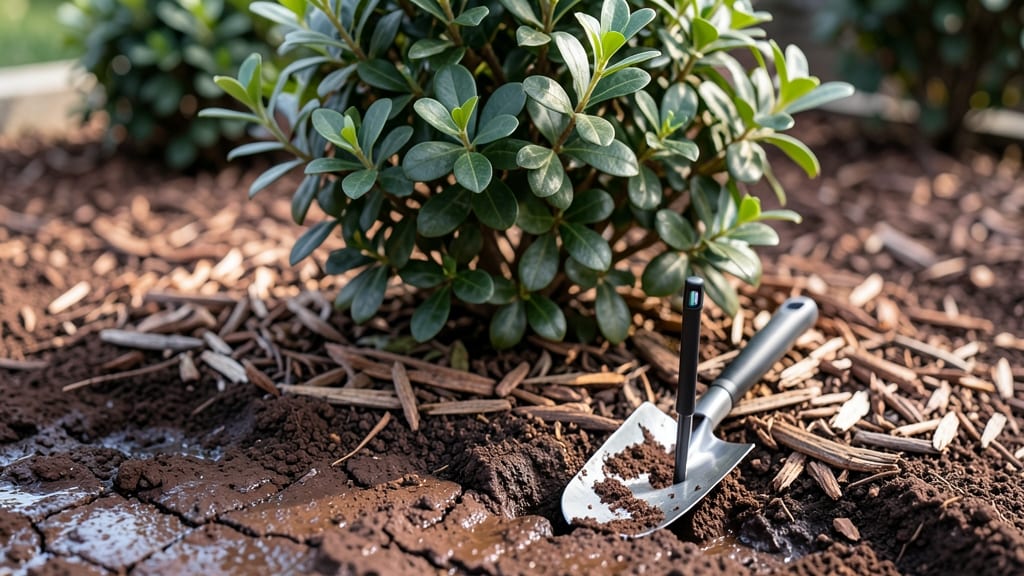
For evergreen shrubs in clay soil with poor drainage, the best choices are inkberry holly, leatherleaf viburnum, and wax myrtle, which handle waterlogged roots and dense soil while needing little soil modification. Opt for disease-resistant varieties and consider raised beds if drainage stays problematic.
Clay soil's compacted nature creates anaerobic zones where roots struggle to breathe, but these hardy shrubs thrive by developing extensive, fibrous root systems that spread horizontally rather than down. 🌱 The key is selecting varieties bred for wet conditions—like dwarf yaupon—which form symbiotic relationships with mycorrhizal fungi to access nutrients even in poorly aerated soil.
Unlike delicate ornamentals, these shrubs prioritize root health over rapid growth, making them ideal for problem areas where other plants fail.
When planting, focus on improving soil structure gradually rather than aggressive tilling, which can damage clay's natural layers. A 2-inch layer of organic mulch helps regulate moisture while preventing soil compaction from foot traffic.
For existing clay-heavy areas, amending with composted leaves or pine bark fines (not heavy compost) over time creates pockets of improved drainage without disrupting the root zone's established balance.
💡 In This Article
- How Clay Soil Affects Evergreen Shrub Root Systems
- Planting and Maintenance Tips for Clay-Soil Evergreens
How clay soil affects evergreen shrub root systems
Clay soil's high mineral content creates a dense matrix that restricts oxygen flow to roots, forcing evergreens like inkberry holly to develop specialized adaptations.
These shrubs produce extensive, shallow root systems that spread horizontally (up to 3 feet wide) rather than growing deep, allowing them to access oxygen-rich surface layers.
The roots also secrete mucilage—a gel-like substance—that helps break down clay particles over time, creating microscopic channels for water movement. 🌱 This adaptation explains why varieties like leatherleaf viburnum thrive in waterlogged conditions: their roots can survive brief periods of anaerobic stress (less than 24 hours) without permanent damage.
The real challenge occurs when clay stays saturated for prolonged periods, triggering root rot caused by fungal pathogens like Phytophthora. Evergreens that excel in these conditions—such as dwarf yaupon—have evolved thicker root bark and higher levels of phenolic compounds, which act as natural fungicides.
These shrubs also form symbiotic relationships with mycorrhizal fungi, which extend their root networks by up to 30%, improving nutrient absorption in compacted soil. Unlike annuals, evergreens invest energy in root resilience rather than rapid top growth, making them ideal for clay-heavy landscapes.
Organic matter plays a crucial role in improving clay soil's long-term health without heavy tilling. Composted materials like leaf mold or pine bark fines (applied at 1-2 inches annually) create worm tunnels and microbial activity that aerate the soil naturally.
The key is gradual incorporation—adding 10-15% organic matter over 3-5 years prevents soil structure collapse while improving drainage. Gypsum (calcium sulfate) can help break down clay's sodium bonds, but it works best in dry climates where it won't exacerbate moisture retention.
What most gardeners overlook is how evergreens manage water stress differently. Shrubs like wax myrtle have waxy leaf coatings that reduce water loss, while their roots prioritize moisture conservation over rapid absorption. This explains why they tolerate 30-50% more soil moisture than non-evergreen species without suffering from root suffocation.
The trade-off? These shrubs grow more slowly—typically 6-12 inches per year—but their longevity (often 20+ years) makes them cost-effective for problem areas.
For visual learners, think of clay soil as a sponge that won't release water easily. Evergreens that thrive here—like boxwood—have roots that act like straws, drawing water upward through capillary action.
This is why they often show signs of stress (yellowing leaves) not from too much water, but from poor oxygen exchange in waterlogged zones. The solution?
Plant in slightly elevated beds or incorporate coarse sand (like builder's sand) into the top 6-8 inches of soil to create drainage pathways without altering the clay's natural structure.
One surprising fact: Evergreen shrubs in clay soil often develop higher concentrations of antioxidants in their leaves as a stress response. This is why varieties like dwarf inkberry have such vibrant green foliage—they're essentially "fighting back" against anaerobic conditions.
The same mechanism makes them more drought-tolerant once established, as their roots become more efficient at extracting moisture from compacted soil over time. 💚