
Planting
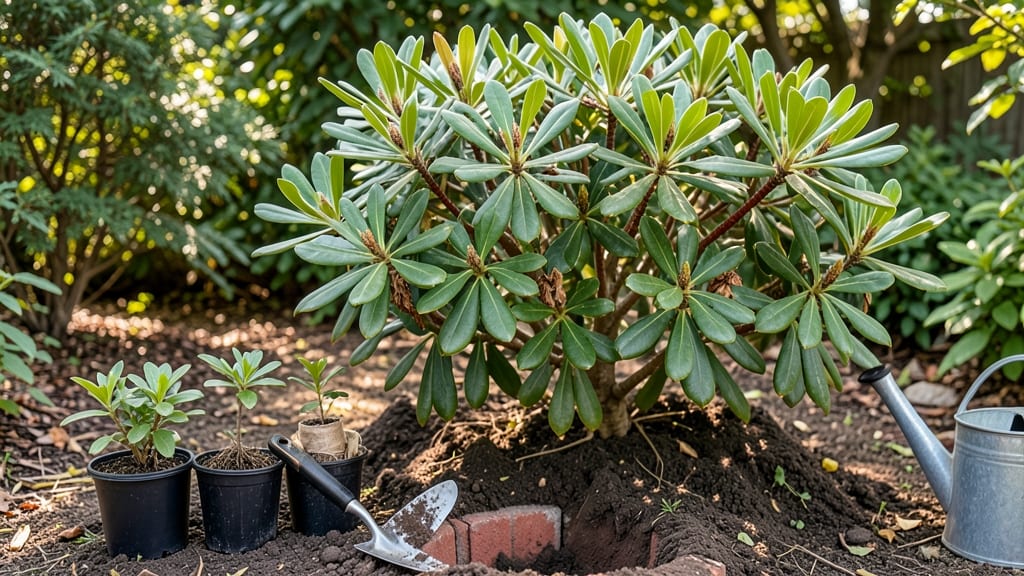
Planting evergreen shrubs at the right time is the key to strong root growth and long-term resilience—aim for spring after the last frost or fall four to six weeks before the first frost in Zone 6a.
Timing is everything when planting evergreen shrubs—get it wrong, and your plants may struggle to establish roots before winter’s harsh freeze. But plant them at the perfect moment, and you’ll unlock lush, resilient growth that thrives for years.
In spring, the soil warms just enough to encourage root development without the stress of summer heat, while fall gives shrubs time to settle before dormancy. Whether you’re planting bare-root or container-grown 🌲, these windows make all the difference.
Below, I break down the best months by climate zone, soil prep tips, and how to tell when your shrubs are ready to go in the ground—so you can avoid common mistakes and set them up for success.
Best planting months for evergreen shrubs by USDA climate zone
Planting evergreen shrubs at the right time ensures they establish strong roots before facing winter stress or summer heat. The best window depends on your USDA climate zone, with spring and fall being the safest bets for most regions.
In colder zones (3-5), aim for early spring planting after frost danger passes, while warmer zones (8-10) can plant year-round with minimal risk.
Evergreen shrubs thrive when planted during their active root growth phases. In fall-planted shrubs, roots establish before winter dormancy, while spring-planted shrubs take advantage of warmer soil temperatures. Avoid planting when soil temps drop below 40°F (4°C)—this slows root development and increases transplant shock risk.
Here’s a zone-by-zone breakdown of the ideal planting months, soil conditions, and frost risks to help you time it perfectly:
| USDA Zone | Best Planting Months | Soil Temp (°F) | Frost Risk | Root Establishment Window |
|---|---|---|---|---|
| Zones 3-4 | Late April-May (spring) or September (fall) | 45-55°F (7-13°C) | High (last frost: May 15) | 6-8 weeks before first frost |
| Zones 5-6 | March-April (spring) or October (fall) | 50-60°F (10-16°C) | Moderate (last frost: April 15) | 4-6 weeks before first frost |
| Zones 7-8 | February-March (spring) or September-October (fall) | 55-65°F (13-18°C) | Low (last frost: March 1) | 3-5 weeks before first frost |
| Zones 9-10 | Year-round (avoid summer heat) | 60-70°F (16-21°C) | Minimal (frost rare) | 2-4 weeks for root establishment |
In Zones 3-4, prioritize spring planting after the last frost date to avoid winter kill. These regions experience harsh winters, so shrubs need time to harden off before temperatures drop. For fall planting, aim for September—this gives roots 6-8 weeks to establish before the ground freezes.
Zones 5-6 offer flexibility with spring or fall planting, but timing matters. Plant in March-April for spring growth or October for fall establishment. The key is ensuring soil temps stay above 45°F (7°C)—cooler soils delay root growth and increase transplant shock.
Warmer zones (7-8) can plant in early spring or late fall, but avoid summer heat, which stresses young roots. In Zone 9-10, evergreens can be planted year-round, though spring or fall still offers the best success.
Mulch heavily in summer to retain moisture and protect roots from heat stress.
Pro tip: Test soil moisture before planting—well-draining soil prevents root rot, while amended soil (with compost) improves nutrient uptake. Water deeply after planting to encourage root spread, and avoid fertilizing until new growth appears in 4-6 weeks.
For container-grown evergreens, adjust timing slightly: bare-root shrubs should be planted in early spring, while potted shrubs can go in anytime soil isn’t frozen. Always check the root ball—if roots circle the pot, trim them to encourage outward growth.
Remember, evergreens planted at the wrong time may struggle with transplant shock, stunted growth, or even death. But with the right timing, your shrubs will establish quickly and reward you with decades of lush, low-maintenance greenery.
Signs your evergreen shrubs are ready for planting (and how to prepare)
Knowing when to plant your evergreen shrubs can mean the difference between thriving foliage and struggling transplants. The key is watching for seasonal cues like soil temperature and root activity.
In my experience, the best time to plant is when the ground is workable but not frozen, giving roots time to establish before winter's chill sets in.
For most regions, this means late spring or early fall—after the last frost but before the first hard freeze. Evergreen shrubs like boxwoods, rhododendrons, and junipers all follow this rule, but there are subtle differences in how they signal readiness.
Pay attention to these three critical signs before digging in.
⚠️ Warning: Planting Too Early or Late
Planting evergreen shrubs too early risks root damage from late frosts, while planting too late leaves them vulnerable to winter stress. Ideal soil temperature should be 50-65°F (10-18°C)—test with a soil thermometer if unsure. Fall planting must occur 4-6 weeks before first frost to allow root growth before dormancy.
Pro Tip: Container-grown shrubs can be planted slightly later since their roots are less sensitive to cold.
First, check the root system of your evergreen shrubs. Healthy roots should look white or light tan and feel firm but flexible. If roots appear dark, mushy, or have a foul odor, your shrubs may be root-bound or diseased, and you should delay planting until they recover.
Gently tease apart the root ball to ensure roots aren’t circling tightly—this can strangle growth if not corrected.
Next, observe the foliage for signs of dormancy or stress. Evergreens like arborvitae or holly will often drop older leaves in late summer or early fall, signaling it’s time to plant.
If you see yellowing needles or brown tips, this could indicate transplant shock—wait until new growth appears before planting. Healthy foliage should be vibrant green with no wilting or discoloration.
Don’t overlook soil moisture as a readiness indicator. Dig a small hole near where you plan to plant and check the soil’s moisture level. It should be damp but not soggy—if it’s bone-dry, water the area thoroughly 24 hours before planting.
Overly wet soil can suffocate roots, while dry soil makes it harder for them to absorb water immediately after transplanting.
Finally, consider seasonal timing based on your USDA hardiness zone. In Zones 3-5, aim for early spring planting (April-May) to avoid late frosts. In Zones 6-10, fall planting (September-October) works best, allowing roots to establish before summer heat.
Always mulch heavily after planting to retain moisture and regulate soil temperature.
With these signs in mind, you’ll know exactly when your evergreen shrubs are ready to thrive in their new home. Happy planting! 🌲