
Pruning
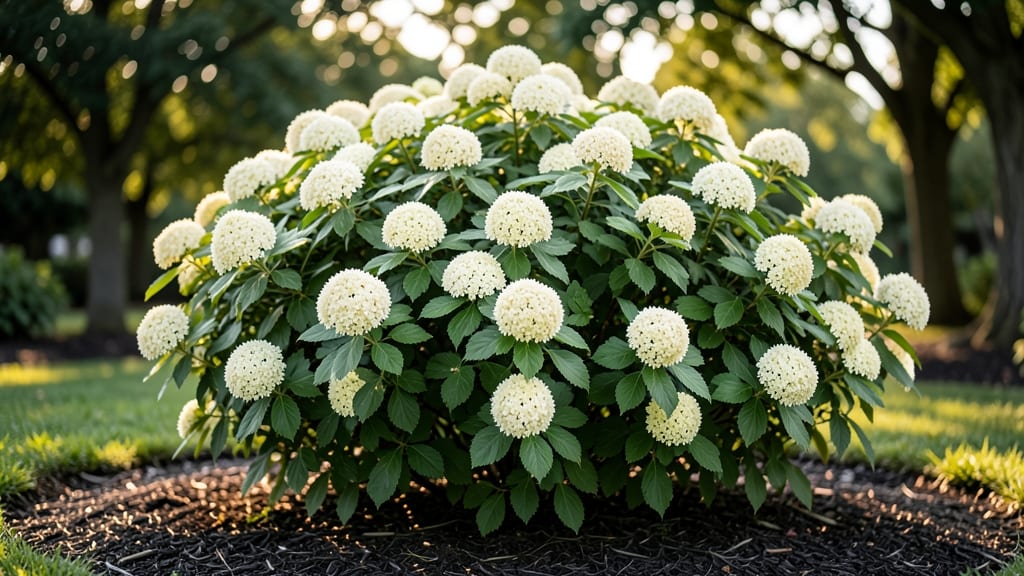
Late-winter pruning turns your snowball shrub bush into a fragrant, bushy powerhouse. ✂️ I’ve watched my Viburnum opulus transform from a tangled mess into a cloud of white blooms—all thanks to a few strategic cuts in February.
The key? Timing, technique, and knowing exactly where to snip for that signature snowball shape.
You’ll need sharp pruners, gloves, and about 30 minutes to work your way through the branches. Start by removing dead or crossing limbs first—they’re the easiest to spot and the biggest blooming obstacles.
Then, shape the shrub by cutting just above outward-facing buds to encourage dense, fragrant growth for next spring.
The payoff? A bush so lush with blooms it looks like a cloud of cotton, with that unmistakable viburnum fragrance filling your yard by May. Prune correctly, and you’ll get years of effortless beauty with minimal upkeep.
Works for both young shrubs and mature ones—just adjust the intensity. Here’s how to do it right the first time, without turning your landscape star into a sad, sparse shadow of its former self.
📚 In This Guide
- What you need
- Instructions
- Tips and common mistakes
- Wrapping up and next steps
What you need
- ● Pruning shears: Sharp, bypass-style shears (for clean cuts) – 1 pair (or 2 pairs if shrub is large).
- ○ Loppers: For thicker branches (½"–1" diameter) – 1 pair (optional but helpful for mature shrubs).
- ● Gloves: Heavy-duty, gardening gloves (to protect from thorns and debris) – 1 pair.
- ● Disinfectant: Rubbing alcohol (70%+) or hydrogen peroxide (to sterilize tools between cuts).
- ○ Pruning sealant: Optional but recommended for large cuts (e.g., tree wound pruning paste) – small tube.
- ● Trash bags: Heavy-duty (for debris) – 2–3 bags.
- ● Ladder or step stool: If shrub exceeds 6 feet – 1 unit (ensure it’s stable!).
- ● Hand saw: For stubborn, thick branches (if loppers aren’t enough).
- ● Marking spray: Non-toxic paint (to tag branches for removal).
- ● Mulch: Shredded bark or compost (to refresh the base post-pruning).
- ● Safety goggles: If working with dusty or thorny shrubs.
Step-by-Step guide to pruning snowball shrubs for optimal growth
Reviving your snowball shrub starts with precise cuts—here’s how to shape it for lush, fragrant blooms next season.
✂️ Step 1: Assess the Shrub’s Structure and Identify Dead or Weak Wood
Begin by examining the entire shrub, looking for dead branches (those that snap when bent or lack bark) and weak growth (thin, spindly stems). I always start at the base and work upward, using my fingers to gently probe for hidden hollows or rot. Healthy branches should have a firm, green interior when cut open.
Mark these branches with a small piece of twine or a plant marker—this prevents accidental cuts to healthy wood later. Snowball shrubs (Viburnum opulus) naturally form a multi-stemmed habit, so aim to preserve the central framework while removing only the worst offenders. Never remove more than 25% of the shrub’s total growth in one session—this ensures it retains enough foliage to photosynthesize and recover.
✂️ Step 2: Remove Dead, Diseased, or Crossing Branches First
Use clean, sharp pruners (sterilized with rubbing alcohol) to make your first cuts. Start with dead or diseased wood, cutting back to the main stem or a healthy lateral branch. For crossing branches, remove the one growing inward—this opens the canopy to better airflow and sunlight, reducing future fungal issues.
Make cuts at a 45-degree angle, about ¼ inch above a bud or lateral branch. Avoid leaving stubs, which invite rot and pests. If a branch is larger than ½ inch in diameter, use loppers for clean cuts. I always step back after each cut to visualize the shrub’s new shape—this helps avoid over-pruning or creating awkward gaps.
✂️ Step 3: Thin Out Interior Growth to Improve Air Circulation
Snowball shrubs thrive when their centers aren’t choked with dense growth. Focus on thinning out the interior by removing one-third of the oldest stems at the base. These stems are often woody and nonproductive, while younger growth near the tips produces the most flowers. Cut these back to ground level or a strong lateral branch.
Watch for water sprouts (fast-growing, vertical shoots) and remove them entirely—they sap energy from the shrub. After thinning, the center should look open and airy, with sunlight able to penetrate to the base. This isn’t just about aesthetics; proper airflow prevents powdery mildew, a common issue with dense shrubs.
✂️ Step 4: Shape the Outer Canopy for Balance and Flower Display
Now, refine the shrub’s silhouette by lightly shaping the outer branches. Snowball shrubs naturally grow in a rounded, multi-stemmed form, so avoid creating a flat-topped or conical shape. Trim back the longest branches by one-third to encourage bushier growth. For horizontal branches, cut just above a bud facing outward to maintain the natural habit.
Step back frequently to check symmetry—your goal is a balanced, rounded mound. Avoid heavy pruning on one side, as this can create an uneven appearance. If the shrub has flowered the previous year, wait until after blooming to prune, as the current season’s flowers form on old wood. For non-flowering branches, you can prune anytime in late winter.
🌿 Step 5: Clean Up and Apply Post-Pruning Care
After pruning, remove all clippings from the base of the shrub to prevent disease. I always rake up debris and dispose of it in the trash—not the compost—since diseased wood can spread pathogens. Next, water deeply to help the shrub recover, especially if the winter was particularly dry. A 2-inch layer of mulch (like shredded bark) around the base retains moisture and regulates soil temperature.
Finally, apply a balanced, slow-release fertilizer (like 10-10-10) in early spring to support new growth. Avoid heavy nitrogen fertilizers, which encourage leafy growth at the expense of flowers. With proper pruning, your snowball shrub should reward you with dense foliage and abundant, fragrant blooms by late spring.
Tips & tricks for perfect snowball shrub revival
Here's what nobody tells you about pruning snowball shrubs—these tricks will transform your shrub into a lush, fragrant masterpiece.
Step 1 Precision: When assessing branches in Step 1, look for subtle signs of life beyond just snapping—healthy branches should have a slight green tint when you scrape the bark. I've learned this the hard way after cutting back branches that were actually dormant but not dead. Mark these branches with colored twine (not just any twine!) so you can easily spot them later when you're ready to make cuts.
Cutting Technique: In Step 2, the 45-degree angle isn't just about aesthetics—it's about directing water away from the cut. Make sure your pruners are sharp enough to cut cleanly through the branch without crushing it. I always test my pruners on a small twig first to ensure they're sharp enough. For branches larger than ½ inch, use loppers and make your cut just outside the branch collar where it meets the trunk—this promotes faster healing.
Timing is Everything: The instructions mention pruning after blooming for flowering branches, but here's the thing: if your shrub hasn't bloomed yet, it's likely a different cultivar that flowers on new wood. In that case, you can prune anytime in late winter. Always check your specific snowball shrub variety—some like 'Annabelle' flower on old wood, while others like 'Aurora' flower on new growth. This simple check can save you from accidentally removing next year's blooms.
Post-Pruning Care: After finishing Step 5, don't just water and walk away. I've found that applying a thin layer of horticultural oil to the cuts (using a paintbrush) helps protect against borers and other pests. Then, give the shrub a light application of compost around the drip line—not right at the base—to encourage root growth. This extra step makes a noticeable difference in how quickly the shrub recovers and produces new growth.
Pro Tips for Snowball Shrub Bush
- Here's what nobody tells you about pruning snowball shrubs—these tricks will transform your shrub into a lush, fragrant masterpiece.
- Step 1 Precision: When assessing branches in Step 1, look for subtle signs of life beyond just snapping—healthy branches should have a slight green tint when you scrape the bark.
- Cutting Technique: In Step 2, the 45-degree angle isn't just about aesthetics—it's about directing water away from the cut.
Frequently asked questions
Got questions about pruning your snowball shrub bush (Viburnum opulus)?
You’re not alone! Here are the most common concerns—plus quick, actionable answers to keep your shrub thriving.
When is the best time to prune a snowball bush?
The ideal window is late winter (just before buds swell) or early spring. This timing promotes dense, fragrant blooms while avoiding late-season growth that could frost-damage. Avoid pruning in fall—it removes next year’s flower buds!
How much can I trim back without harming the shrub?
For mature snowball bushes, you can safely remove up to 1/3 of the plant’s height per year. Focus on dead, crossing, or overcrowded branches first. Younger shrubs (under 3 years) only need light shaping—never cut into old wood.
Why isn’t my snowball bush flowering after pruning?
If blooms are sparse, check these fixes:
- Pruned too late: Buds form in summer/fall—wait until late winter next time.
- Over-pruned: Reduce cuts by 50% and avoid shearing.
- Poor sunlight: Snowball bushes need 6+ hours of sun.
Are there pests or diseases I should watch for after pruning?
Keep an eye out for:
- Spider mites (tiny webs on leaves) – Spray with water or neem oil.
- Leaf spot fungus (brown spots) – Prune infected branches and improve airflow.
- Borers (sawdust-like frass) – Treat with systemic insecticide if severe.
Pro tip: Sterilize pruners with rubbing alcohol between cuts to prevent spreading disease!
What’s a good alternative if my snowball bush struggles in my climate?
If your zone is Zone 3 or colder or you crave low-maintenance blooms, try:
- Witch hazel (Hamamelis) – Cold-hardy, fragrant, and blooms in winter.
- Dwarf ninebark (Physocarpus) – Tough, multi-season interest, and thrives in shade.
- Potentilla shrubs – Drought-tolerant with cheerful yellow blooms.
Wrapping up and next steps
Pruning your snowball shrub bush in late winter isn’t just about tidying up—it’s your secret weapon for lush, fragrant blooms all season long! 🌸 With the right tools, timing, and technique, you’ll unlock denser growth and healthier stems.
Whether you’re a pruning pro or a curious beginner, now’s the perfect time to roll up your sleeves and give your shrub the care it deserves.
Ready to transform your landscape? Grab your shears, follow the steps, and watch your snowball shrub thrive—then share your progress with fellow gardeners! 🌿✨