
Pruning
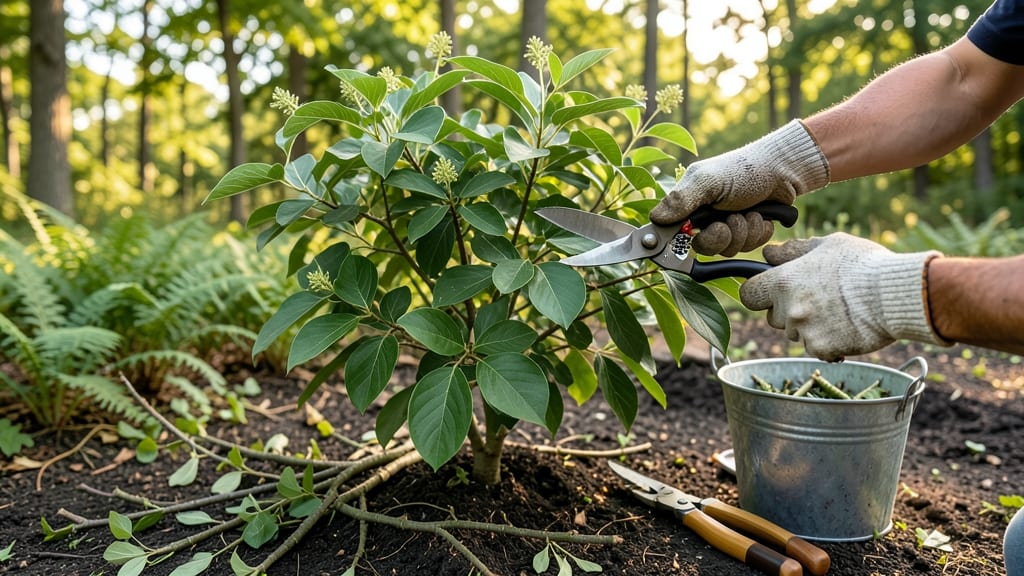
Cutting back dogwood shrubs in late winter transforms them from scraggly to spectacular. ✂️ I’ve seen dogwoods go from sparse blooms to lush canopies in just one season after mastering this simple technique—it’s all about timing, clean cuts, and knowing where to stop.
The secret starts in late February or early March, before buds swell but after the worst winter chill. You’ll need sharp pruners, rubbing alcohol for sanitation, and a bucket for clippings.
The goal is to remove dead or crossing branches first, then shape the shrub by cutting back last year’s growth to an outward-facing bud. Think of it like giving your dogwood a haircut that lets light reach the center.
By spring, you’ll see stronger stems and more abundant blooms—the plant redirects energy to new growth instead of struggling with old wood. The key is patience: avoid over-pruning, and never cut into old wood (it won’t regrow).
With just 30 minutes of work, you’ll set your dogwood up for its best season yet.
Works for both flowering and ornamental dogwoods, and the same method applies whether you’ve got a single shrub or a whole border. Here’s how to do it right—no guesswork, just results.
📚 In This Guide
- What you need
- Instructions
- Tips and common mistakes
- Wrapping up and next steps
What you need
- ● Pruning shears: Bypass pruners (sharp, clean, and 4- to 6-inch blades for precision cuts). Quantity: 1 pair.
- ● Loppers: Bypass or anvil style (for thicker branches, 8- to 12-inch handles). Quantity: 1 pair.
- ● Hand saw: Pruning saw (if branches exceed 1-inch diameter). Quantity: 1.
- ● Gloves: Heavy-duty, cut-resistant (to protect hands from thorns and rough bark). Quantity: 1 pair.
- ● Disinfectant: Rubbing alcohol (70%+) or bleach solution (1 part bleach to 9 parts water) (to sterilize tools between cuts).
- ● Trash bags or bucket: For collecting pruned branches. Quantity: 1-2.
- ○ Pruning sealant: Optional but helpful (for large cuts > ½-inch diameter; use a latex-based product).
- ● Weather: Choose a dry, calm day (avoid frost or rain within 24 hours).
- ● Timing: Prune late winter to early spring (just before buds swell, ideally February–March in most climates).
- ● Safety gear: Safety glasses (if sawing large branches) and long sleeves/pants (to avoid scratches).
- ○ Extension ladder: Optional but handy (if shrubs exceed 6 feet tall; use a stable, 3-sided ladder).
Step-by-step instructions for cutting back dogwood shrubs
Here's the precise late-winter approach I use to rejuvenate dogwoods and guarantee vibrant spring blooms.
✂️ Step 1: Identify and Remove Dead or Damaged Wood
Start by scanning your dogwood for any branches that are completely brown, brittle, or showing signs of disease. These are your first targets—they won't recover and only drain energy from healthy growth. Use sharp, clean pruning shears to make clean cuts just outside the branch collar, the swollen area where the branch meets the trunk. This ensures the plant can seal the wound properly and prevents disease entry.
I always prune on a dry day when the bark isn't wet—this helps prevent splintering and makes it easier to see the natural branch structure. If you're unsure whether a branch is dead, scratch the bark with your thumbnail. Green underneath means it's still alive; brown means it's beyond saving.
✂️ Step 2: Thin Out Crowded Branches for Better Airflow
Dogwoods bloom best when they have good airflow, so your next step is to remove any branches that are crossing, rubbing against each other, or growing inward. These competing branches create weak points and invite fungal diseases. Start from the center of the shrub and work outward, removing about one-third of the oldest, thickest branches to open up the canopy. This also encourages new growth from the base.
Make your cuts at a 45-degree angle just above an outward-facing bud. This angle helps water run off the cut and prevents it from pooling. Avoid leaving stubs—these can rot and attract pests. If you're pruning a mature dogwood, focus on removing branches that are larger than ½ inch in diameter to maintain the shrub's natural shape.
☀️ Step 3: Shape the Shrub for Optimal Light Exposure
Now it's time to refine the shape of your dogwood to ensure it gets even sunlight exposure. Step back and visualize how light will hit the shrub throughout the day. Remove any branches that are growing straight up or too close together, as these can block light from reaching the interior. Aim to create an open, vase-like shape that allows sunlight to penetrate to the center.
For flowering dogwoods (Cornus florida), avoid cutting back the current year's growth too aggressively—this is where next year's blooms form. Instead, focus on thinning out older wood and removing any suckers or watersprouts that emerge from the base. These aggressive shoots divert energy away from the main structure. Prune these back to the ground to redirect the plant's focus to stronger growth.
⏰ Step 4: Clean Up and Monitor for New Growth
Once you've finished pruning, gather all the cuttings and dispose of them properly. Never leave pruned branches on the ground around your dogwood—they can harbor pests and diseases. If you're dealing with diseased wood, bag it and dispose of it in the trash, not the compost pile. Sterilize your pruning tools with rubbing alcohol between cuts to prevent cross-contamination.
After pruning, keep an eye on your dogwood for the first signs of new growth, which should appear within 4-6 weeks in late winter or early spring. Healthy new shoots will be bright green and firm to the touch. If you notice any yellowing leaves or wilting, it could be a sign of stress—water deeply but avoid overwatering, as dogwoods prefer well-draining soil. Mulch around the base with 2-3 inches of organic mulch to retain moisture and protect the roots.
Tips & tricks for perfect dogwood shrub pruning
Late-winter pruning transforms dogwoods from sleepy shrubs into vibrant spring showstoppers—here's how to get it right every time.
Tool Prep: Sterilize your pruning shears with rubbing alcohol before you begin—this prevents spreading disease between cuts. I also recommend sharpening your blades first; dull shears crush stems instead of making clean cuts, which stresses the plant and invites infection. For larger branches over ½ inch thick, use loppers or a pruning saw to avoid tearing the bark.
Branch Collar Precision: When removing branches in Step 1, focus on cutting just outside the branch collar—the swollen area where the branch meets the trunk. This is where the plant's natural healing tissues form. If you cut too close to the trunk, you create a larger wound that takes longer to seal. For stubborn branches, make a small undercut first to prevent tearing when you make the final cut.
Timing Secret: Late winter is ideal because dogwoods are still dormant, making it easier to see the natural branch structure without leaves obscuring your view. Aim for temperatures between 40-50°F—warmer weather can stress the plant while colder snaps might make the wood brittle. If you must prune in early spring, do so before buds begin to swell to avoid removing potential bloom sites.
Post-Pruning Care: After finishing, apply a 2-3 inch layer of organic mulch around the base to retain moisture and protect roots from temperature fluctuations. I also recommend watering deeply but infrequently—dogwoods prefer well-draining soil and can't tolerate soggy roots. Monitor for new growth within 4-6 weeks; healthy shoots should be bright green and firm to the touch.
Pro Tips for Cutting Back Dogwood Shrubs
- Late-winter pruning transforms dogwoods from sleepy shrubs into vibrant spring showstoppers—here's how to get it right every time.
- Tool Prep: Sterilize your pruning shears with rubbing alcohol before you begin—this prevents spreading disease between cuts.
- Branch Collar Precision: When removing branches in Step 1, focus on cutting just outside the branch collar—the swollen area where the branch meets the trunk.
Frequently asked questions
about cutting back dogwood shrubs—because even seasoned gardeners have doubts!When is the exact best time to prune dogwood shrubs?
The ideal window is late winter to early spring (just before buds swell), typically February–March in most U.S. zones. For flowering dogwoods (like Cornus florida), prune right after blooming to avoid removing next year’s flowers. Evergreen dogwoods can handle light pruning in early spring or late fall.
How much can I cut back my dogwood without hurting it?
For healthy, established dogwoods, you can safely remove up to 1/3 of the total growth per year. Avoid topping (cutting back to a stub)—this stresses the plant. Focus on shaping, thinning, and removing dead wood. If your dogwood is overgrown, spread cuts over 2–3 years to avoid shock.
What if my dogwood isn’t blooming after pruning?
If flowers disappear, you may have pruned too late (removed next year’s buds) or over-pruned. Check for sunlight (dogwoods need 6+ hours/day) and balanced fertilizer (high in phosphorus for blooms). Pacific dogwoods sometimes bloom on old wood—skip spring pruning if flowers are sparse.
Can I use the same pruners for dogwoods as for roses or other shrubs?
Yes! Clean, sharp pruners (bypass or anvil) work for dogwoods, but sterilize them first with rubbing alcohol or bleach to prevent disease spread. Avoid dull tools—they tear bark, inviting pests. For thick branches, use loppers or a pruning saw. Pro tip: Wipe blades between cuts on infected plants.
What if I live in a hot/dry climate? Does pruning change?
In arid regions, prune early in the season (late winter) to reduce water stress. Avoid heavy pruning in summer—it increases water needs. Mulch well after pruning and water deeply to help recovery. Dwarf dogwoods (like Cornus sericea ‘Kelseyi’) handle heat better but still need light pruning to encourage airflow.
Wrapping up and next steps
Cutting back your dogwood shrubs in late winter isn’t just about tidying up—it’s your secret weapon for vibrant spring blooms and a healthier plant! By following the right techniques, you’ll encourage new growth, reduce disease risks, and keep your shrubs looking their best.
Now that you’re armed with the know-how, there’s no better time to grab those pruners and get to work—your dogwood will thank you with stunning flowers and lush foliage!
Ready to take the next step? Mark your calendar for late February or early March, when the shrubs are still dormant but the weather is mild. With just a little effort, you’ll be rewarded with a showstopping display come spring—let’s make it happen! 🌸✂️