
Flowers
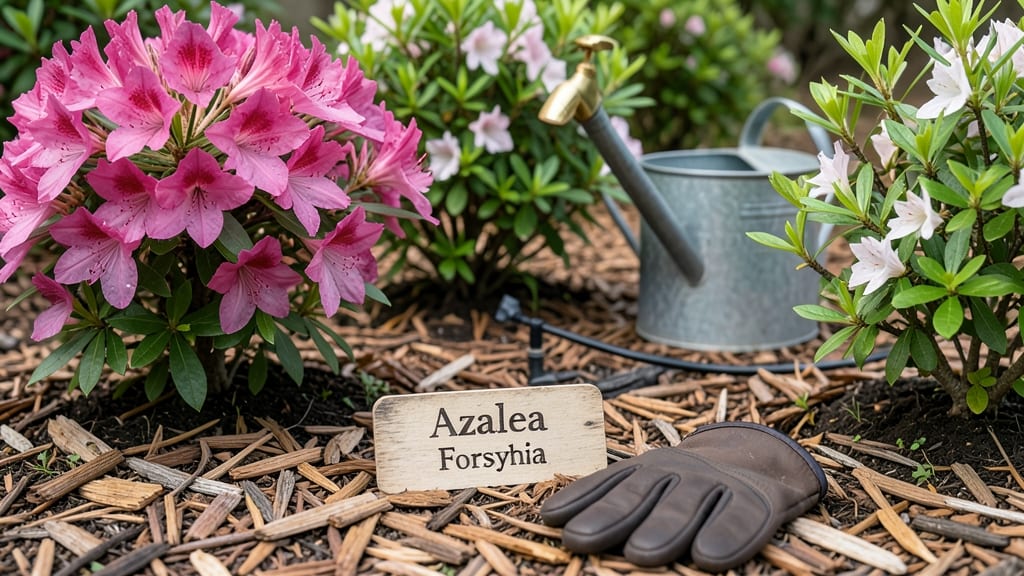
Spring flowers shrubs transform your yard into a fragrant paradise—just when you need it most. 🌸 I planted my first lilac bushes five years ago, and every March, their perfume wakes up the neighborhood before the bees even arrive.
The secret isn't just picking the right varieties; it's timing the planting, prepping the soil, and knowing exactly when to prune for maximum blooms next year.
You'll want well-draining soil mixed with compost, 6+ hours of sunlight daily, and a spot sheltered from harsh winds. Azaleas and rhododendrons love acidic soil, while forsythia thrives in almost any condition—just don't plant it too deep.
Most shrubs need late fall or early spring planting when roots establish before summer heat hits. Mulch helps retain moisture and keeps roots cool.
By summer, you'll have lush foliage and next spring's blooms already forming on last year's growth. The fragrance alone makes it worth the effort—lilacs smell like childhood, azaleas bring a sweet tropical note, and forsythia's bright yellow cheers up gray days.
With the right care, these shrubs reward you for decades, not just one season.
Whether you're filling a foundation border or creating a fragrant walkway, these shrubs adapt beautifully. Just avoid over-pruning after blooms appear—wait until after flowering for most varieties. Your neighbors will thank you when the scent drifts through their open windows.
📚 In This Guide
- What you need
- Instructions
- Tips and common mistakes
- Wrapping up and next steps
What you need
- ● Spring-blooming shrubs: 3–5 plants (e.g., Azalea, Rhododendron, Camellia, or Magnolia). Choose 2–3 varieties for color/texture diversity.
- ● Potting soil: 5–10 bags (2–3 cubic feet each) of high-quality, well-draining miracle-gro or compost-amended soil (pH 5.0–6.5 for acid-loving shrubs).
- ● Mulch: 1–2 bags of pine bark or shredded cedar mulch (3–4 inches thick) to retain moisture and suppress weeds.
- ● Fertilizer: 1 bag of slow-release, acid-loving plant food (e.g., Osmocote Smart-Release) or organic options like fish emulsion.
- ● Watering can or hose: With a gentle spray nozzle (avoid high pressure to protect delicate blooms).
- ● Garden trowel or spade (for digging holes 2x wider than root balls).
- ● Pruning shears (sterilized with rubbing alcohol) for shaping and deadheading.
- ● Garden gloves (to protect hands from thorns or sap).
- ● Measuring tape (to ensure proper spacing: 3–6 feet apart for shrubs).
- ○ Wheelbarrow (optional, for hauling soil/mulch).
- ● Location: Pick a spot with 6+ hours of sunlight (adjust for shade-tolerant varieties like Hydrangea).
- ● Climate check: Verify your USDA hardiness zone (most spring shrubs thrive in zones 5–9).
- ○ Soil test: Optional but recommended—test pH with a kit (e.g., Luster Leaf) to avoid nutrient deficiencies.
- ● Timing: Plant bare-root shrubs in early spring (March–April) or container-grown plants in fall for best root establishment.
How to select and plant spring-blooming shrubs for year-round fragrance
Here’s my foolproof method for choosing and establishing fragrant spring shrubs that reward you with blooms from early season through fall.
🌱 Step 1: Choose the Right Shrubs for Your Climate and Sun
Start by selecting shrubs that match your USDA hardiness zone and sunlight conditions. For example, mock orange (Philadelphus) thrives in zones 4-9 with full sun to partial shade, while daphne (Daphne odora) prefers zones 7-9 and partial shade. I always check the plant tag for light requirements—some shrubs like azalea tolerate morning sun but need afternoon shade to prevent leaf scorch.
Fragrance is key, so prioritize varieties known for their scent. Weigela offers a sweet floral aroma, while deutzia delivers a honey-like perfume. If your garden gets hot summers, opt for shade-tolerant options like pieris japonica, which blooms in spring and tolerates 60-75°F temperatures well.
🪴 Step 2: Prepare the Planting Site for Healthy Root Growth
Dig a hole twice as wide as the shrub’s root ball but only as deep as the container’s base. Loosen the soil at the bottom with a garden fork to encourage root expansion. I mix the excavated soil with compost (about 1 part compost to 3 parts soil) to improve drainage and fertility—this prevents root rot, which is common in heavy clay.
For acidic-loving shrubs like azalea or rhododendron, amend the soil with peat moss or sulfur to lower the pH to 4.5-5.5. Test your soil first with a pH kit—amending after planting is far less effective. Place the shrub in the hole so the top of the root ball sits 1 inch above ground level to prevent waterlogging.
☀️ Step 3: Plant and Water for Immediate Establishment
Remove the shrub from its container and gently tease the roots apart if they’re circling. Position it in the hole, then backfill with the amended soil, pressing lightly to eliminate air pockets. I water deeply right after planting—about 1 gallon per 12 inches of shrub height—to settle the soil and encourage root contact.
Mulch the base with 2-3 inches of organic mulch (like pine bark or shredded leaves), keeping it 6 inches away from the stem to prevent rot. Water again in 7-10 days to check drainage—if water pools on the surface, amend the soil with sand or perlite next time. This step ensures your shrubs establish strong roots before summer heat arrives.
✂️ Step 4: Prune and Maintain for Continuous Blooms
Prune immediately after flowering for spring-blooming shrubs like forsythia or lilac—this encourages next year’s buds. For azalea or rhododendron, prune lightly in late spring to shape the plant without removing next year’s flowers. I never cut more than one-third of the plant’s height in a single season to avoid stress.
Fertilize in early spring with a balanced, slow-release fertilizer (10-10-10) to support new growth. Water deeply once a week during dry spells, aiming for 1-1.5 inches of water per week. Watch for yellowing leaves—this often signals overwatering or nutrient deficiency. Adjust care based on the shrub’s specific needs.
🌿 Step 5: Protect and Enjoy Year-Round Fragrance
In late fall, apply a 2-inch layer of mulch to insulate roots from winter temperature swings. For tender shrubs like daphne, wrap the base with burlap in zones below 7 to prevent freeze damage. I also prune dead or crossing branches in late winter to improve airflow and reduce disease risk.
By following these steps, your spring-blooming shrubs will reward you with fragrance from early spring through summer, and with proper care, even into fall. The key is consistent moisture, proper pruning, and soil prep—skip any of these, and you’ll miss out on the full beauty and scent of your garden.
Tips & tricks for perfect spring-blooming shrubs
These essential strategies will help you create a fragrant garden that thrives beyond just spring.
Climate Matching: Always verify your shrub's hardiness zone matches your location—this is non-negotiable for long-term success. For example, if you're in zone 5, avoid planting daphne (which thrives in zones 7-9) unless you're prepared for winter protection. I've seen beautiful gardens ruined because someone planted the wrong shrub for their zone. The plant tag is your best friend here—check it before you buy!
Soil Prep Secret: The 1 part compost to 3 parts soil ratio in Step 2 is perfect, but don't stop there. For heavy clay soils, add 10% perlite to improve drainage without altering the compost ratio. I've found that amending clay soil with just compost can create a compacted mess—this extra perlite makes all the difference for root health. The goal is to mimic the loose, well-draining conditions these shrubs prefer in their native habitats.
Watering Wisdom: That initial 1 gallon per 12 inches of shrub height is crucial, but timing matters too. Water in the early morning to prevent fungal issues from evening moisture. For the 7-10 day check, I recommend marking the mulch line with a small stake—this helps you remember where to check for drainage problems without disturbing the roots. If you see water pooling after 30 minutes, you definitely need that sand or perlite amendment.
Fragrance Booster: For maximum scent impact, choose varieties with double blooms like 'Minnesota Snowflake' mock orange or 'Nikko' azalea—they produce more floral compounds. I've noticed that single-bloom varieties often have less intense fragrance. When selecting plants, gently crush a few petals between your fingers to test the scent before purchasing—this simple trick saves you from buying weakly fragrant varieties.
Pro Tips for Spring Flowers Shrubs
- These essential strategies will help you create a fragrant garden that thrives beyond just spring.
- Climate Matching: Always verify your shrub's hardiness zone matches your location—this is non-negotiable for long-ter...
- Soil Prep Secret: The 1 part compost to 3 parts soil ratio in Step 2 is perfect, but don't stop there. For heavy clay...
Frequently asked questions
Got questions about bringing spring flowers and shrubs into your garden? You're not alone! Here are some of the most common queries—plus expert answers to help you grow with confidence.
When is the best time to plant spring-flowering shrubs?
For most spring-blooming shrubs, early spring (just as buds swell) or fall (6 weeks before frost) are ideal. Planting in fall gives roots time to establish before winter, while spring planting lets you enjoy blooms sooner. Avoid planting when temps are extreme—either too hot or freezing.
How do I keep my spring shrubs blooming year after year?
Consistency is key! Prune right after blooming (never in fall) to encourage new growth. Feed with balanced fertilizer in early spring, and mulch to retain moisture. Deadhead faded flowers promptly—this redirects energy to next year’s blooms. Water deeply but infrequently to prevent root rot.
Are there any pests or diseases I should watch for?
Common issues include aphids (tiny green pests), powdery mildew (white fungal coating), and borers (chewed stems). Inspect leaves regularly, and treat aphids with soapy water. For mildew, improve airflow and apply fungicide. Prevention tip: Choose disease-resistant varieties like Azalea ‘Girard’s Pink’ or Rhododendron ‘Catawbiense’.
Can I grow spring-flowering shrubs in containers?
Opt for compact varieties like Dwarf Lilac or Miniature Azalea. Use well-draining pots with holes, and a high-quality potting mix (avoid garden soil). Containers dry out faster, so water daily in summer and move pots to shelter if frost is forecasted.
What if my shrub isn’t blooming this year?
Don’t panic! Shrubs often take 2–3 years to mature and bloom. Check for these red flags:
- Over-fertilizing (too much nitrogen = leafy growth, no flowers).
- Poor sunlight (most spring shrubs need 6+ hours of sun).
- Dormant pruning (cutting back in winter removes next year’s buds).
Wrapping up and next steps
Spring flowers and shrubs bring vibrant life to your garden, offering year-round beauty, fragrance, and low-maintenance charm. Whether you’re drawn to the delicate blooms of azaleas or the hardy resilience of hydrangeas, these plants transform any space into a fragrant oasis with minimal effort. 🌸
Ready to elevate your outdoor haven? Start small—plant just one fragrant shrub this season and watch your garden flourish! For extra inspiration, browse our spring planting guide to curate your dream blooming landscape.