
Pests
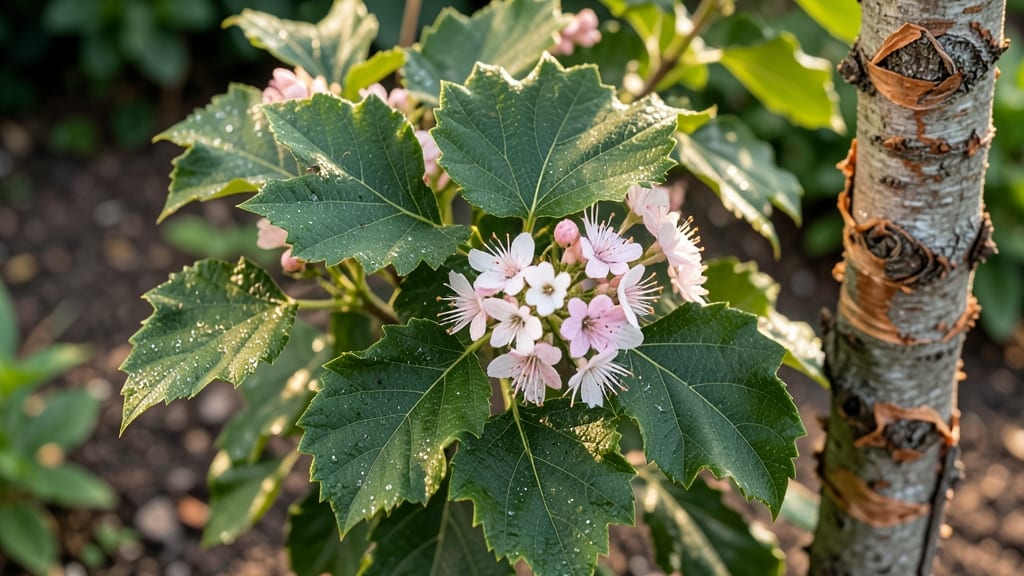
My first year with deer-resistant plants saved my garden from becoming a buffet. 🌲 After losing three prized roses to hungry deer, I discovered that the right trees and shrubs create a natural barrier—without fences or chemicals.
The key is choosing plants with tough textures, strong aromas, or toxic compounds that deer avoid. Boxwoods form neat hedges, oaks grow into shade-providing giants, and Russian olives thrive in dry climates. These aren’t just survivors—they’re showstoppers that make your yard look intentional.
By planting in layers, you create a visual and olfactory deterrent that deer can’t resist avoiding. A mix of evergreens and deciduous shrubs keeps your privacy screen lush year-round, while companion plants like lavender add extra protection.
Whether you’re shielding a flower bed or creating a windbreak, these plants deliver both beauty and defense. Let’s build a garden that deer won’t dare touch.
📚 In This Guide
- What you need
- Instructions
- Tips and common mistakes
- Wrapping up and next steps
What you need
- ● Deer-resistant plants: 1–5 Boxwood (Buxus spp.) – 1–3 ft tall (mature size varies)
- ● 1–3 Oakleaf Hydrangea (Hydrangea quercifolia) – 3–5 ft tall
- ● 1–2 Butterfly Bush (Buddleia spp.) – 5–8 ft tall
- ● 1–3 Russian Olive (Elaeagnus angustifolia) – 10–15 ft tall (drought-tolerant!)
- ● 1–2 Ninebark (Physocarpus opulifolius) – 6–8 ft tall
- ● 1–3 Holly (Ilex spp.) – 10–20 ft tall (evergreen options available)
- ○ Soil amendments (optional but helpful): 5–10 lbs compost or well-rotted manure per planting hole
- ● 1–2 lbs slow-release fertilizer (10-10-10 or organic option)
- ● Tools: 1 shovel (round-point or flat-blade)
- ● 1 pruning shears (for trimming)
- ● 1 garden gloves (for protection)
- ● 1 measuring tape (for spacing)
- ● 1 watering can or hose with nozzle
- ● Mulch (2–3 inches of shredded bark or pine straw)
- ● Prerequisites: Sunlight assessment: Full sun (6+ hrs/day) or partial shade (3–6 hrs/day) (varies by plant)
- ● Soil test: pH 6.0–7.0 (adjust with lime or sulfur if needed)
- ● Deer activity monitoring: Check for signs of browsing (chewed leaves, tracks) 🦶
- ○ Optional (but handy!): Deer repellent spray (natural or commercial)
- ● Fencing or netting (temporary protection for new plants)
- ● Plant markers (to track varieties)
How to design a deer-resistant privacy screen
Here's my battle-tested approach to creating a lush, year-round barrier that deer won't touch.
🌱 Step 1: Select the Right Species for Your Climate
Start with native plants—deer recognize non-native species as intruders and avoid them. For full sun areas, I recommend Oakleaf Hydrangea or Smokebush, both of which have deep roots and leathery leaves deer find unappealing. In partial shade, Inkberry Holly or Witch Hazel create dense screens without attracting browsing.
Check your hardiness zone first—some deer-resistant plants, like Russian Olive, thrive in zones 4-9 but may struggle in tropical climates. I always cross-reference with local extension service recommendations to avoid introducing invasive species. The key is selecting plants that grow quickly (3-5 feet per year) to outpace deer damage.
🌿 Step 2: Plan for Layered Defense
Deer target plants at browsing height—typically 3-5 feet. To create an impenetrable screen, I design in three layers: a tall evergreen backbone (like Arborvitae or Leyland Cypress), a mid-height shrub layer (such as Boxwood or Dwarf Fothergilla), and a ground cover understory (like Creeping Juniper or Dwarf Mondo Grass).
Space plants based on their mature width—typically 3-6 feet apart for shrubs and 8-12 feet apart for trees. This ensures the canopy closes within 3-5 years. I always stagger plantings so no single species dominates—deer learn to target monocultures quickly.
💧 Step 3: Prepare the Planting Site
Test your soil first—deer-resistant plants often need well-draining, slightly acidic soil (pH 6.0-7.0). Amend heavy clay with 3-4 inches of compost mixed into the top 12 inches of soil. For sandy soils, incorporate 20% peat moss to retain moisture without suffocating roots.
Dig holes twice as wide as the root ball but only as deep. The top of the root ball should sit 1-2 inches above ground level—this prevents rot in heavy rainfall. Water each hole thoroughly before planting to eliminate air pockets. I always add a handful of mycorrhizal fungi to the backfill to boost root establishment.
✂️ Step 4: Install Physical Deterrents
Even the toughest plants need backup. I install 8-foot tall deer fencing (made from 1-inch mesh hardware cloth) around the perimeter, buried 12 inches deep to prevent digging. For existing screens, I wrap trunks with plastic tree guards or coarse burlap—deer find the texture unappealing and avoid rubbing against it.
Complement with natural repellents: Spray plants with a mix of rotten eggs (1 part) and water (9 parts) every 2 weeks during browsing season. The smell doesn't harm plants but makes them less appealing. I also plant deer-repellent companion plants like Lavender or Russian Sage at the screen's edge—their strong fragrance acts as a buffer.
☀️ Step 5: Maintain for Long-Term Success
Water newly planted screens deeply 2-3 times per week for the first 2 months, then taper to once weekly during dry spells. Mulch with 3 inches of wood chips to conserve moisture and suppress weeds—just keep mulch 6 inches away from trunks to prevent rot.
Prune annually in late winter to remove deadwood and shape the screen. I never cut more than 25% of the plant's foliage at once—this keeps growth vigorous and discourages deer from targeting stressed plants. Fertilize in early spring with a slow-release, balanced formula (10-10-10) to encourage dense, deer-unfriendly foliage.
Tips & tricks for creating a deer-resistant privacy screen
Creating a screen that deer won't touch takes more than just planting tough plants—it's about strategy and preparation. Here's what I've learned from years of trial and error in the field.
Species Selection Strategy: When choosing plants in Step 1, prioritize those with thick, waxy leaves or aromatic foliage—deer avoid these textures and smells. For example, Smokebush has fragrant leaves that repel deer naturally, while Inkberry Holly has prickly edges that deter browsing. I always cross-reference with my local extension office's deer-resistance ratings to avoid false promises.
Layering Defense Tactics: In Step 2, the spacing between layers is just as important as the species themselves. I recommend planting Arborvitae (tall backbone) 4-5 feet apart to create an immediate visual barrier, while Boxwood (mid-height) should be spaced 2-3 feet apart to fill gaps quickly. This staggered approach forces deer to work harder to reach any tender growth, making them move on to easier targets.
Soil Preparation Insight: The soil amendments in Step 3 aren't just about plant health—they're about creating an environment deer avoid. For heavy clay soils, I add 3-4 inches of compost mixed with 10% sand to improve drainage while keeping the slightly acidic pH (6.0-7.0) that many deer-resistant plants prefer. This combination makes the soil less inviting for deer to dig or browse near.
Physical Deterrent Placement: When installing your 8-foot tall deer fencing in Step 4, bury the mesh 12 inches deep and extend it 1-2 feet outward at the base. This prevents deer from digging underneath or rubbing against the fence. For existing plants, I've found that wrapping trunks with coarse burlap (not smooth plastic) creates a texture deer dislike—it's rough enough to deter rubbing but breathable enough not to harm the plant.
Pro Tips for Deer Resistant Trees And Shrubs
- Creating a screen that deer won't touch takes more than just planting tough plants—it's about strategy and preparatio...
- Species Selection Strategy: When choosing plants in Step 1, prioritize those with thick, waxy leaves or aromatic foli...
- Layering Defense Tactics: In Step 2, the spacing between layers is just as important as the species themselves. I rec...
Frequently asked questions
Got questions about keeping deer at bay while adding greenery to your yard? You’re not alone!
Here are some of the most common concerns—and practical answers—to help you make the best choices for deer-resistant trees and shrubs.
What are the most deer-resistant trees for privacy screens?
Top picks include Oak, Red Maple, American Holly, and Eastern Red Cedar. These toughies have thick bark, thorns, or bitter foliage that deer tend to avoid. For shrubs, try Boxwood, Barberry, or Rugosa Rose. Always check local deer behavior—some varieties may still get nibbled!
When is the best time to plant deer-resistant plants?
Plant in early spring or fall when soil is workable but not frozen. Deer are less active in winter, giving young plants a head start. Avoid late spring/summer—this is when hungry deer scout for tender new growth. Pro tip: Mulch heavily to protect roots from browsing!
Will deer eventually eat any plant if desperate enough?
Yes! In extreme cases (like harsh winters or overpopulated areas), deer may munch even "resistant" plants. To deter them, use repellents (like Rotten Egg Smell-Off), fencing (8 feet tall), or plant companion flowers (e.g., daffodils) that deer dislike. Think of it as a layered defense!
Are there deer-resistant alternatives to traditional evergreens?
Skip Juniper or Arborvitae (deer favorites) and try Leyland Cypress, Inkberry Holly, or Ninebark. For color, Smoke Bush or Russian Olive add texture without becoming a buffet. Bonus: Many of these thrive in poor soil and need less water!
My new plants are still getting eaten—what now?
First, check for signs of other pests (like rabbits or rodents). If it’s deer, try physical barriers (wire mesh around trunks) or motion-activated sprinklers. For chemical-free solutions, plant garlic or marigolds nearby—their scent confuses deer. Persistence pays off!
Wrapping up and next steps
Transforming your yard into a deer-resistant oasis is totally doable with the right plants! By choosing deer-resistant trees and shrubs, you can enjoy year-round privacy and beauty without the constant battle of chewed foliage. 🌿
Now that you’re armed with the best options, take the next step: sketch a layout, gather supplies, and start planting! Whether you’re a seasoned gardener or a beginner, every small effort brings you closer to a lush, low-maintenance landscape. Happy planting—your future self (and the deer!) will thank you.