
Pruning
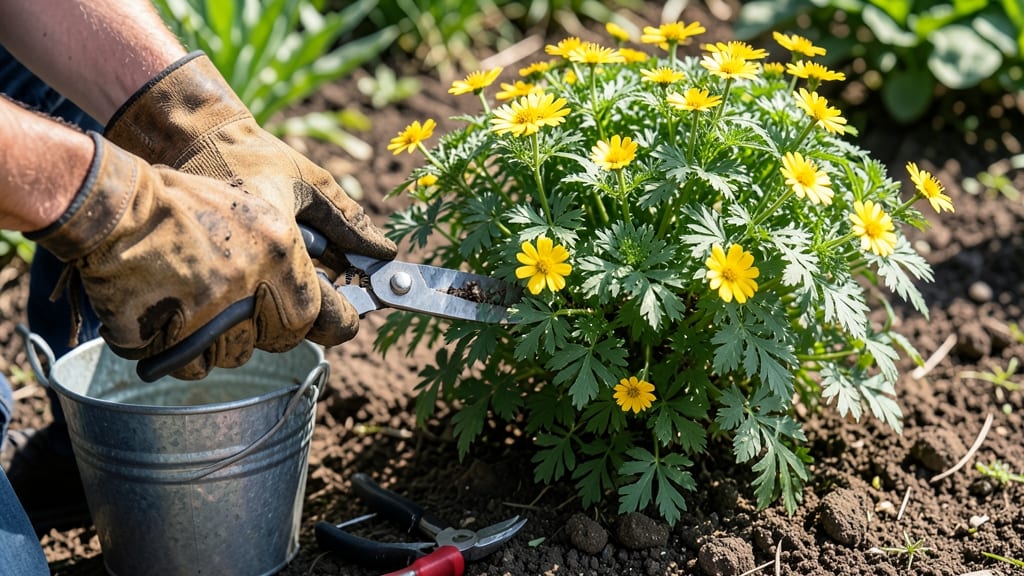
Trimming potentilla shrubs in late winter transforms your thorny bushes into lush, flower-covered powerhouses—if you time it right. ✂️ I’ve learned the hard way that cutting too early or too late means fewer blooms and more bare branches, so here’s exactly when and how to do it for maximum impact. The secret lies in 2-3 sharp cuts just above outward-facing buds, made after the worst winter frost but before spring growth starts. You’ll need clean pruners, gloves (those thorns are no joke), and a clear day to see the branches properly—no guessing allowed. By late spring, you’ll see thick, bushy growth with twice as many flowers as before, all thanks to those strategic cuts. The key is removing old wood while leaving room for new stems to shine. Works for all potentilla varieties, from dwarf types to tall shrubs. Let’s get those branches looking intentional!
📚 In This Guide
- What you need
- Instructions
- Tips and common mistakes
- Wrapping up and next steps
What you need
- ● Bypass pruners – Sharp, clean pruners (7-10 inches) for cutting 1/4-inch to 1-inch thick stems. Dull blades crush stems and invite disease!
- ● Loppers – Heavy-duty (18-24 inches) for thicker branches (1-2 inches) or stubborn growth. Look for ratchet-style for extra leverage.
- ● Hand saw – Pruning saw with fine teeth (for branches >2 inches). Never use a chainsaw!
- ● Gloves – Thick, cut-resistant gloves (gardening or thorn-proof) to protect hands from sharp stems and thorns.
- ● Disinfectant – 70% isopropyl alcohol or a 10% bleach solution to sterilize tools between cuts (prevents bacterial/fungal spread).
- ○ Pruning shears (optional) – For smaller, delicate trims (e.g., shaping new growth).
- ● Ladder or step stool – If your shrub exceeds 6 feet tall. Safety first!
- ● Garden twine or tags – For marking specific branches to remove (e.g., dead or crossing stems).
- ● Compost bin or bag – To collect pruned debris (avoid leaving large clippings on the ground).
- ● Anti-chafing balm – For sensitive skin if Potentilla thorns irritate you.
- ● Work apron or bucket – Keeps tools and clippings organized.
- ● Dry, mild weather – Prune on a calm, sunny day (avoid frost or rain within 24 hours).
- ● Clear workspace – Remove rocks, debris, or pet hazards around the shrub.
- ● Sharp tools only! – Test your pruners/loppers by slicing a clean paper strip—if it tears, sharpen them.
Step-by-Step instructions for trimming Potentilla shrubs
Here's how I prune potentillas every late winter to keep them healthy, full, and thorn-free.
✂️ Step 1: Gather the Right Tools and Safety Gear
First, grab your sharp bypass pruners—dull blades tear stems and invite disease. I also use long-handled loppers for thicker branches, and a pair of gardening gloves to protect against thorns. Potentillas can be prickly, so I never skip the gloves, even if I'm just doing light trimming.
Wear long sleeves and pants to avoid scratches, and have a bucket or tarp ready to collect clippings. I like to work on a dry day when the air is crisp—this makes the job easier and reduces the chance of spreading fungal spores if any branches are diseased.
✂️ Step 2: Identify and Remove Dead or Diseased Wood
Start by scanning the entire shrub for branches that are brown, brittle, or hollow—these are dead or dying. Snip them off at the base using a clean cut at a 45-degree angle. This prevents water from pooling on the wound and encourages faster healing. I also look for any branches with black spots, mold, or oozing sap, which are signs of disease—remove these immediately and dispose of them in the trash, not the compost.
If you're unsure whether a branch is dead, scratch the bark with your fingernail. Live wood has a greenish layer underneath, while dead wood is dry and crumbly. This quick test saves time and ensures you're only pruning what truly needs to go.
✂️ Step 3: Thin Out Crowded Branches for Better Airflow
Potentillas grow dense, and crowded branches compete for sunlight and nutrients. To thin, focus on removing older, thicker stems from the center of the shrub, starting from the base. Aim to create an open, vase-like shape with branches evenly spaced. I like to leave 3-5 of the strongest, youngest stems per section to maintain structure while encouraging new growth.
Cut just above a bud or outward-facing leaf to direct energy toward the outer parts of the shrub. Avoid leaving stubs—always make clean cuts about ¼ inch above the bud. This ensures the plant heals properly and grows in the direction you want.
✂️ Step 4: Shape the Shrub for Fullness and Flower Power
Now it's time to shape the shrub into a rounded, bushy form. Start by trimming back last year's growth by about one-third—this encourages dense, flowering branches. I like to step back every few cuts to visualize the shape, adjusting as needed. For a more formal look, trim branches to the same length, but for a natural, wild garden style, leave some variation in height.
Pay special attention to the top and sides of the shrub, where sunlight struggles to reach. Trim back any leggy growth that's stretching toward the sky—these branches rarely flower well and can make the shrub look unbalanced. A little shaping now means more blooms and a fuller look come spring.
🌿 Step 5: Clean Up and Prepare for New Growth
Once you're happy with the shape, give the shrub a final once-over to remove any small twigs or stray branches you might have missed. Drop the clippings into your bucket or tarp, and shake out the gloves—you'll want to clean them before storing them away. I also like to give the base of the shrub a light raking to remove any fallen leaves or debris, which helps prevent pests and diseases from taking hold.
After trimming, water the shrub deeply to help it recover. I like to add a layer of mulch around the base (but not touching the trunk) to retain moisture and keep weeds at bay. This is also a great time to fertilize lightly if your soil is nutrient-poor—potentillas respond well to a balanced, slow-release fertilizer in early spring.
Tips & tricks for perfect Potentilla shrub pruning
Late-winter pruning transforms your potentillas from tangled messes into thriving, flower-filled stars. Here's what I've learned after years of trial and error.
Tool Prep is Non-Negotiable: Sharpen your bypass pruners before you start—dull blades crush stems instead of cutting cleanly, which stresses the plant and invites disease. I test mine on a spare branch first: if it squishes instead of snipping, it's time to sharpen. For branches thicker than your wrist, switch to the long-handled loppers immediately to avoid straining your hands.
The 45-Degree Angle Secret: When removing dead wood in Step 2, that 45-degree angle isn't just for looks—it creates a natural water runoff channel that prevents rot. Cut too straight, and water pools on the wound like a tiny pond. Too shallow, and you leave a stub that won't heal properly. Practice on scrap wood first if you're unsure, or use a small triangular reference to guide your cuts.
Thinning Strategy for Maximum Blooms: In Step 3, when thinning crowded branches, focus on creating that open vase shape by removing the oldest stems first. These are typically the ones growing inward from the center. I like to think of it like opening a curtain—you want sunlight to reach all parts of the shrub. Leave those 3-5 strongest stems as your "backbone," and let them guide the new growth direction.
Shape with Purpose: The one-third reduction of last year's growth in Step 4 isn't arbitrary—it's the sweet spot for potentillas. Any less, and you miss out on dense new growth; any more, and you risk over-pruning. I mark my cuts with a piece of twine tied to the branch at the target length before I start cutting. This visual guide keeps me consistent and prevents over-trimming those precious flowering branches.
Pro Tips for Trimming Potentilla Shrubs
- Late-winter pruning transforms your potentillas from tangled messes into thriving, flower-filled stars. Here's what I...
- Tool Prep is Non-Negotiable: Sharpen your bypass pruners before you start—dull blades crush stems instead of cutting ...
- The 45-Degree Angle Secret: When removing dead wood in Step 2, that 45-degree angle isn't just for looks—it creates a...
Frequently asked questions
Got questions about keeping your Potentilla shrubs happy and healthy? Here are some of the most common concerns—plus expert answers to help you trim like a pro!
When is the best time to trim Potentilla shrubs?
The ideal window is late winter or early spring (just before new growth starts). This timing encourages vigorous blooms and prevents disease by removing dead wood. Avoid trimming in fall—it can leave shrubs vulnerable to winter damage.
How much can I cut back Potentilla shrubs?
You can safely trim up to ⅓ of the shrub’s height without stressing it. For overgrown or leggy Potentillas, cut back old wood (gray/brown stems) to the ground—new growth will sprout from the base. Never remove more than ⅓ in one season.
Why do my Potentilla shrubs have so many thorns after trimming?
Thorns are natural for Potentillas (especially Potentilla fruticosa varieties), but proper pruning reduces them. Thin out crowded branches and avoid heavy pruning in summer—this triggers more thorny growth. Wearing gloves while trimming helps too!
What if I missed the late-winter trimming window?
Don’t panic! You can still prune in early spring (just delay blooms slightly). Avoid summer trimming—it stresses the plant and may stunt flowers. If you wait until fall, focus on light shaping only (no heavy cuts).
Can I shape Potentilla shrubs like topiaries?
Yes, but with caution. Potentillas respond well to light shaping (e.g., rounding or tiered forms) if done after flowering. Avoid drastic cuts—these shrubs thrive on natural, airy growth. For formal shapes, prune gradually over 2–3 years.
Wrapping up and next steps
Trimming your Potentilla shrubs in late winter isn’t just about tidying up—it’s your secret to vibrant blooms, fewer thorns, and healthier growth all season long! 🌿 With the right tools, timing, and techniques, you’ll transform your shrubs into lush, thorn-free showstoppers.
Remember, precision and patience are key, so take your time and enjoy the process.
Now that you’re armed with expert tips, roll up your sleeves and get pruning! Grab your gloves, sharpen those shears, and watch your Potentilla shrubs reward you with stunning flowers and effortless maintenance. Happy gardening!