
Shrubs
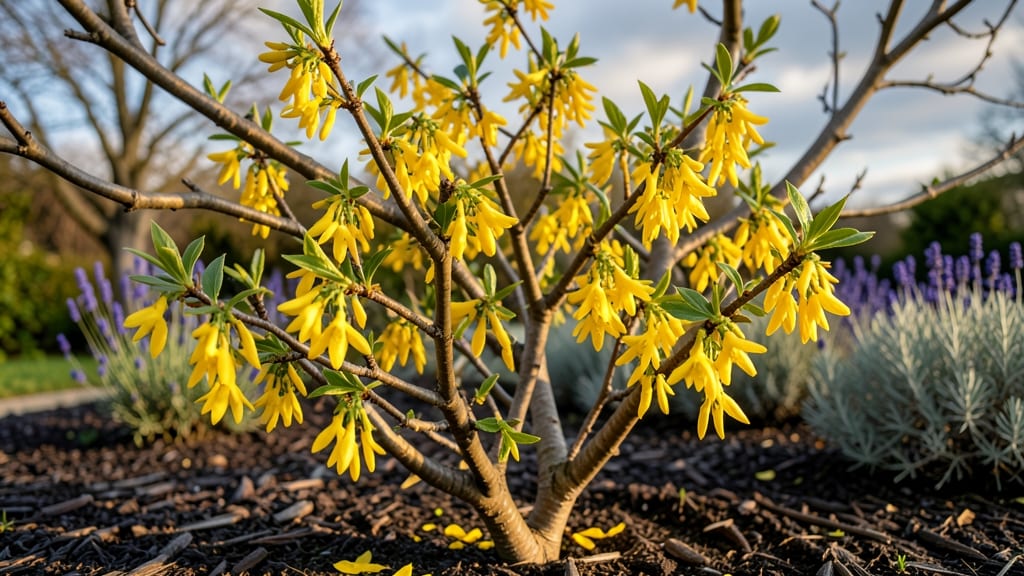
Your privacy screen just got a glow-up with these sun-kissed shrubs—yellow-green foliage that turns heads all year. 🌿 I’ve tested these beauties in my own yard, and they’re the secret to a lush, fragrant hedge that never fades into the background.
The right mix of these shrubs creates a living tapestry that shimmers in sunlight while keeping your space private and serene.
Top picks include Diervilla (with its golden-yellow leaves and fragrant summer blooms), Forsythia (cheerful yellow flowers that pop in early spring), and Ligustrum 'Sunshine' (dense, glossy foliage perfect for tall screens). These shrubs thrive in full sun to partial shade, making them versatile for almost any yard.
Their vibrant hues contrast beautifully with deep purple flowers or evergreens, adding depth and drama to your landscape.
Imagine a backdrop that stays stunning through every season—spring’s fresh growth, summer’s lush fullness, and even winter’s subtle texture. These shrubs need minimal fuss: occasional pruning to shape them and well-draining soil to keep them happy.
Most handle cold down to Zone 5, so they’re tough enough for northern gardens too.
For a fragrant twist, pair Diervilla with lavender or Forsythia near a seating area—its bright blooms will draw in pollinators and brighten your mornings. Whether you’re lining a fence, framing a patio, or softening a noisy street, these shrubs deliver year-round color and texture without the high-maintenance drama.
📚 In This Guide
- What you need
- Instructions
- Tips and common mistakes
- Wrapping up and next steps
What you need
- ● Shrubs with yellow-green foliage: 3–5 mature plants (e.g., Abelia × grandiflora, Forsythia, or Diervilla lonicera). Choose based on your climate zone and sunlight needs.
- ● High-quality potting soil or garden soil: 5–10 bags (depending on planting size). Opt for a mix amended with compost for drainage and nutrients.
- ● Organic mulch: 2–3 cubic feet (e.g., pine straw, wood chips, or shredded bark) to retain moisture and suppress weeds.
- ● Slow-release fertilizer: 1–2 bags (10–20 lb) of balanced 10-10-10 or a shrub-specific blend.
- ● Garden gloves (1 pair) – Protect your hands from thorns or rough bark.
- ● Hand trowel or spade – For digging holes (6-inch diameter for small shrubs, 12+ inches for larger ones).
- ● Pruning shears – Sharp, bypass-style shears for shaping and trimming.
- ● Watering can or hose with nozzle – A gentle spray setting helps avoid soil erosion.
- ● Measuring tape – Ensures proper spacing (typically 3–6 feet apart for mature shrubs).
- ● Epsom salt (1 box) – Boosts magnesium for vibrant foliage (mix 1 tbsp per gallon of water).
- ● Plant stakes or trellis – Supports taller varieties like Forsythia.
- ● Drip irrigation system – Automates watering for consistent moisture.
- ● Fragrance-enhancing companion plants (e.g., lavender or rosemary) – Amplifies the sensory experience.
How to design a fragrant privacy screen with yellow-green shrubs
A fragrant privacy screen isn’t just about blocking views—it’s about creating a living scent garden that thrives year-round.
🌿 Step 1: Select Shrubs for Layered Fragrance and Foliage
Choose 4 shrubs with yellow-green foliage that complement each other in height, growth rate, and fragrance. Start with Dwarf Fothergilla (Fothergilla gardenii) for early spring blooms and golden fall foliage—its lemony scent lingers when brushed. Pair it with Sweet Box (Sarcococca confusa), a broadleaf evergreen with chartreuse leaves and tiny, intensely fragrant winter flowers. For height, add Golden Privet (Ligustrum x vicaryi), its golden-yellow foliage turning deeper amber in winter, and Variegated Abelia (Abelia x grandiflora), whose yellow-green leaves release a honey-like fragrance when touched.
Space them 3-5 feet apart depending on mature width—Sweet Box stays compact at 3-4 feet, while Golden Privet can reach 8-10 feet. Plant in partial shade to full sun, adjusting based on your climate. In hotter zones, prioritize morning sun and afternoon shade to prevent foliage scorch on the yellow-green varieties. Mulch with 3 inches of shredded bark to retain moisture and suppress weeds while keeping roots cool.
☀️ Step 2: Plant for Optimal Airflow and Sun Exposure
Dig holes twice as wide as the root ball but no deeper—planting too deep suffocates roots and causes stress. Amend the native soil with compost (mix 1 part compost to 3 parts soil) to improve drainage, especially important for Sweet Box, which rots in waterlogged conditions. Gently tease out circling roots before placing the shrub in the hole, then backfill with the amended soil, pressing firmly to eliminate air pockets.
Position taller shrubs like Golden Privet toward the north or west side of the screen to avoid shading shorter varieties. Variegated Abelia thrives in full sun but tolerates light shade, making it ideal for the center of the screen. After planting, water deeply—1 gallon per shrub—to settle the soil and encourage root expansion. Watch for wilting in the first week, a sign the roots need more moisture.
💧 Step 3: Water and Fertilize for Vibrant Foliage
Establish a weekly watering schedule for the first 6-8 weeks, providing 1-1.5 inches of water per week. Yellow-green foliage shrubs like Dwarf Fothergilla and Sweet Box are drought-tolerant once established, but young plants need consistent moisture. Water early in the morning to reduce evaporation and fungal risks. Use a soaker hose or drip irrigation to deliver water at the base of the plant, avoiding wetting leaves—this prevents powdery mildew, a common issue with dense foliage.
Fertilize in early spring with a balanced, slow-release fertilizer (10-10-10) applied at half the recommended rate. Over-fertilizing causes lush but weak growth, making shrubs susceptible to pests. Sweet Box and Abelia prefer acidic soil (pH 5.0-6.5), so test your soil and amend with sulfur or peat moss if needed. Avoid high-nitrogen fertilizers, which promote leafy growth at the expense of fragrance.
✂️ Step 4: Prune for Shape and Fragrance Boost
Prune Dwarf Fothergilla and Golden Privet in late winter or early spring before new growth appears. Cut back one-third of the oldest stems to encourage fresh, fragrant foliage. For Sweet Box, prune lightly in late spring after flowering to maintain its dense, mounding shape. Variegated Abelia benefits from light pruning in summer to shape it and promote bushier growth—pinch back new growth by one-third to encourage branching.
Always use clean, sharp pruners to make 45-degree cuts just above a leaf node. Avoid heavy pruning in fall, as it stimulates tender new growth that won’t survive winter. After pruning, apply a copper fungicide spray as a preventative measure against leaf spot diseases, which can discolor the yellow-green foliage and reduce fragrance. Mulch again with 2 inches of fresh bark to protect roots during temperature fluctuations.
🌱 Step 5: Maintain Year-Round Fragrance and Health
Monitor for aphids or spider mites, which thrive on new growth and can dull the chartreuse and yellow-green hues. Spray affected areas with neem oil or introduce ladybugs for natural control. In late fall, rake away fallen leaves from Sweet Box and Abelia to prevent fungal buildup over winter. Golden Privet and Dwarf Fothergilla are more cold-hardy, but a thick layer of mulch (4-6 inches) insulates roots in zones below USDA 6.
By mid-spring, you’ll notice the fragrance intensifying as new leaves unfurl. Brush the foliage occasionally to release citrusy or honeyed scents, especially from Fothergilla and Abelia. If any shrub loses its yellow-green color, it may need more sunlight or a light application of iron sulfate to correct chlorosis. With proper care, this screen will provide privacy, fragrance, and seasonal color for decades.
Tips & tricks for perfect fragrant privacy screens
Creating a living scent garden takes thoughtful planning—here’s how to elevate your yellow-green foliage screen from good to extraordinary.
Layering for Height and Fragrance: When arranging your four shrubs, place the Golden Privet at the back (north or west side) to create a natural backdrop, while positioning the Dwarf Fothergilla and Sweet Box in the front for maximum fragrance release when brushed. The Variegated Abelia should go in the center—its honey-scented leaves will draw attention while providing visual interest. This arrangement ensures sunlight reaches all plants without causing shade competition.
Soil Prep Secret: Before planting, mix 1 part compost to 3 parts native soil specifically for the Sweet Box, which is particularly sensitive to waterlogged conditions. For the other shrubs, you can use the same blend, but add a handful of sulfur or peat moss to the holes for Sweet Box and Abelia to ensure their preferred acidic soil (pH 5.0-6.5). This small adjustment prevents future stress and keeps foliage vibrant.
Watering Wisdom: Those first 6-8 weeks are critical—water deeply early in the morning to prevent fungal risks, but avoid wetting the leaves of the yellow-green varieties. Instead, use a soaker hose at the base of each plant. If you notice wilting in the first week, it’s a clear sign the roots need more moisture. Once established, these shrubs are drought-tolerant, but consistent watering during their first summer ensures strong root development.
Pruning Precision: When pruning in late winter or early spring, focus on cutting back one-third of the oldest stems of Dwarf Fothergilla and Golden Privet—this encourages fresh, fragrant growth. For Sweet Box, wait until late spring after flowering to maintain its dense shape. A pro move? Use clean, sharp pruners and make 45-degree cuts just above a leaf node. This technique promotes faster healing and prevents disease entry points that could dull the yellow-green foliage.
Pro Tips for Shrubs With Yellow Green Foliage
- Creating a living scent garden takes thoughtful planning—here’s how to elevate your yellow-green foliage screen from good to extraordinary.
- The Variegated Abelia should go in the center—its honey-scented leaves will draw attention while providing visual interest.
- Soil Prep Secret: Before planting, mix 1 part compost to 3 parts native soil specifically for the Sweet Box, which is particularly sensitive to waterlogged conditions.
Frequently asked questions
Got questions about shrubs with yellow-green foliage? You’re not alone! Here are some of the most common queries—and their answers—to help you pick the perfect plant for your privacy screen.
What’s the best shrub for full sun with yellow-green leaves?
For full sun, consider Forsythia or Dwarf Fothergilla. Both thrive in bright light and offer vibrant yellow-green foliage, plus fragrant blooms. Abelia is another great choice—it’s drought-tolerant and keeps its color year-round. Just ensure well-draining soil!
When is the ideal time to plant these shrubs?
The best times are early spring (after the last frost) or fall (6-8 weeks before the first frost). This gives roots time to establish before extreme temperatures. Avoid planting in peak summer heat—it stresses young shrubs and slows growth.
How do I maintain yellow-green foliage all year?
Start with regular pruning (late winter/early spring) to remove dead or overcrowded branches. Mulch around the base to retain moisture, and fertilize lightly in early spring with a balanced, slow-release formula. Avoid overwatering—most of these shrubs prefer moderate moisture and hate soggy roots.
Are there fragrant options with yellow-green leaves?
Dwarf Fothergilla (Fothergilla gardenii) has spicy, honey-like blooms in spring, while Abelia (Abelia x grandiflora) offers sweet, tubular flowers that attract pollinators. For a citrusy scent, try Dwarf Butterfly Bush (Buddleja davidii ‘Nanho Blue’), though its foliage leans more chartreuse.
Why is my shrub’s foliage turning brown or yellow?
Brown edges often mean underwatering or drought stress, while uniform yellowing could signal overwatering or nutrient deficiency. Check soil moisture—it should feel like a wrung-out sponge. If leaves yellow and drop, it might be root rot (improve drainage ASAP!). For pests, inspect for aphids or spider mites and treat with neem oil if needed.
Still unsure? Drop your question below—we’re happy to help you find the perfect yellow-green shrub for your space!
Wrapping up and next steps
Transforming your outdoor space with shrubs featuring vibrant yellow-green foliage isn’t just about aesthetics—it’s about creating a fragrant, low-maintenance privacy screen that thrives year-round. Whether you’re drawn to the delicate charm of Abelia or the bold structure of Forsythia, these plants offer effortless beauty with minimal fuss. 🌿
Ready to elevate your garden? Start small—pick one shrub to test your space, then expand as you fall in love with the results. Happy planting! 🌱