
Shrubs
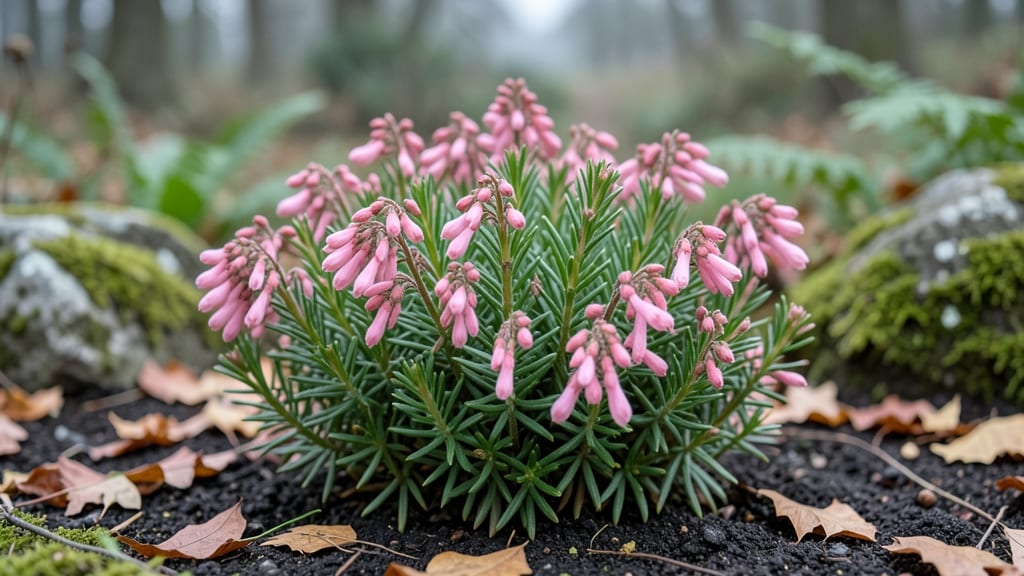
Pink winter heather flowering shrubs bring color to your yard when most gardens sleep. 🌿 I've grown these tough little beauties for years, and they've never failed to deliver fragrant pink blooms that last from late fall through winter—no thorns, no fuss.
They thrive in well-draining soil with a slightly acidic pH, and while they love sun, they tolerate partial shade too. The key is keeping their roots cool and their foliage dry, which prevents common problems like yellowing leaves or sparse blooms. Once established, they're nearly indestructible, even in colder climates.
With proper pruning after flowering, you'll encourage denser growth and more vibrant blooms next season. The scent alone makes them worth growing—imagine walking through your garden in December and smelling that sweet, honey-like fragrance. Perfect for borders, rock gardens, or even as a ground cover under trees.
Here's how to keep yours thriving all winter long.
📚 In This Guide
- What you need
- Instructions
- Tips and common mistakes
- Wrapping up and next steps
What you need
- ● Pink Winter Heather Plants: 1–3 nursery-grown shrubs (choose Erica carnea or Calluna vulgaris varieties like 'Winter Beauty' or 'Pink Champagne').
- ● Well-Draining Soil: 5–10 gallons of acidic, sandy pH 4.5–5.5 soil mix (or 50% peat moss + 50% perlite/sand).
- ○ Planting Containers (Optional for Pots): 1–2 12–18-inch diameter containers with drainage holes (terracotta or plastic).
- ● Organic Mulch: 2–3 inches of pine bark fines or coarse sand to retain moisture and acidity.
- ● Slow-Release Acidic Fertilizer: 1–2 cups of 10-10-10 or rhododendron-specific fertilizer (apply sparingly).
- ● Watering Can or Hose: With a gentle spray nozzle to avoid disturbing soil.
- ● Garden Gloves: 1 pair (to protect hands from prickly stems).
- ● Trowel or Spade: 1 medium-sized hand trowel for digging.
- ● Pruning Shears: 1 pair (for shaping and deadheading spent blooms).
- ○ pH Test Kit: Optional but helpful to confirm soil acidity.
- ● Sunlight Spot: Partial shade (4–6 hours of morning sun) or dappled light.
- ● Cold-Hardy Zone: USDA Zones 4–8 (check your local climate!).
How to grow and care for pink winter heather flowering shrubs
Winter's toughest blooms come from these fragrant, thorn-free shrubs—here's how to keep them thriving.
🌱 Step 1: Select the Right Location and Soil
Pink winter heather thrives in full sun to partial shade, with at least 6 hours of sunlight daily. I always plant mine on a south-facing slope or raised bed where water drains quickly—these plants despise soggy roots. The ideal spot gets morning sun and afternoon shade in hotter climates.
Amend heavy or clay soil with 1 part perlite or sand per 3 parts native soil to improve drainage. Heather loves acidic soil with a pH between 4.5-6.0. Test your soil first—if it's alkaline, mix in peat moss or sulfur to lower the pH. You'll know you've got it right when the soil feels light and crumbly, like a damp sponge.
🪴 Step 2: Plant at the Correct Depth and Spacing
Dig holes twice as wide as the root ball but only as deep as the container. Gently remove the plant from its pot and loosen any circling roots with your fingers. Place it in the hole so the top of the root ball sits ½ inch above ground level—this prevents rot during heavy rains.
Space plants 18-24 inches apart in rows, or 3-4 feet apart for a natural, sprawling look. I like to arrange them in odd-numbered clusters (3, 5, or 7 plants) for a more organic appearance. Backfill with native soil mixed with a slow-release acid-loving plant fertilizer to give them a nutrient boost right away.
💧 Step 3: Water Deeply and Establish a Routine
Water immediately after planting to settle the soil around roots, then water deeply once a week during the first growing season. You'll know it's enough when water runs out the drainage holes—heather can't handle soggy soil. After the first year, these plants become drought-tolerant once established.
Mulch with 2-3 inches of pine bark or wood chips to retain moisture and acidify the soil over time. Keep mulch 3 inches away from the stem to prevent rot. In winter, a light layer of mulch also protects roots from freezing temperatures. You'll see new growth in early spring—this is your sign the plant has taken root.
☀️ Step 4: Prune for Shape and Encourage Blooms
Prune right after flowering in late winter or early spring to shape the plant and encourage next year's blooms. Use clean, sharp pruners to cut back ⅓ of the oldest stems to the base. This opens up the center for better air circulation and sunlight penetration, which prevents fungal issues.
For a more formal look, trim new growth to maintain a rounded shape. Never prune in fall—this removes next year's flower buds. You'll notice fresh, vibrant pink blooms appearing in late fall or winter if you've pruned correctly. Deadhead spent flowers in spring to keep the plant looking tidy and promote new growth.
⏰ Step 5: Fertilize and Protect Through Seasons
Feed in early spring with an acid-loving plant fertilizer (look for one with higher nitrogen for leaf growth or higher phosphorus for blooms). I use a balanced 10-10-10 formula applied at half-strength to avoid burning the roots. Water thoroughly after applying fertilizer to help it reach the root zone.
In winter, protect young plants from harsh winds with a light burlap wrap or by planting near a windbreak. Mature heather can handle cold down to -20°F, but young plants benefit from extra protection. You'll know your winter heather is happy when it blooms consistently year after year with minimal care.
Tips & tricks for growing pink winter heather shrubs
These simple tricks will help your pink winter heather thrive and bloom beautifully year after year.
Location Matters: That 6 hours of sunlight is non-negotiable—these shrubs need it to produce vibrant blooms. If your yard has limited sun, consider planting near a south-facing wall or fence that reflects sunlight. I've seen winter heather planted in east-facing spots struggle to bloom as vividly, so prioritize that morning sun exposure above all else.
Soil Prep Secret: The 1 part perlite to 3 parts soil ratio is crucial for drainage, but don't stop there. Mix in a handful of pine needles around the root zone—they'll slowly break down and keep the soil naturally acidic. You'll know your soil is perfect when it crumbles easily between your fingers like a damp sponge. This texture is what prevents those dreaded soggy roots that can kill winter heather.
Planting Depth Trick: That ½ inch above ground level might seem small, but it makes all the difference in preventing rot. I like to use a small stick as a marker when planting to ensure I don't bury the root ball too deeply. After planting, give the soil a gentle squeeze—if water beads up on the surface, you've got perfect drainage.
Pruning Timing: The late winter/early spring pruning window is your golden opportunity to shape the plant and encourage next year's blooms. I mark my calendar for the first week of February—this gives the plant time to recover before summer heat arrives. When you cut back those ⅓ of oldest stems, you'll notice how much lighter and airier the center becomes, which prevents fungal issues that can ruin your blooms.
Pro Tips for Pink Winter Heather Flowering Shrub
- These simple tricks will help your pink winter heather thrive and bloom beautifully year after year.
- Location Matters: That 6 hours of sunlight is non-negotiable—these shrubs need it to produce vibrant blooms.
- Soil Prep Secret: The 1 part perlite to 3 parts soil ratio is crucial for drainage, but don't stop there.
Frequently asked questions
Got questions about growing and caring for pink winter heather? Here are some of the most common ones—plus expert tips to keep your shrub thriving!
When does pink winter heather bloom, and how long does it last?
Pink winter heather typically blooms from late fall to early spring (October–March), depending on your climate. With proper care, flowers can last 4–8 weeks, offering vibrant color even in cold months. Shear lightly after blooming to encourage a second flush!
Is pink winter heather easy to grow for beginners?
This shrub is low-maintenance and hardy (USDA Zones 4–8). It thrives in well-draining soil and full sun to partial shade. Just avoid heavy clay soil—amend with compost if needed. No thorns or aggressive spread make it a great choice for borders or containers.
How often should I water pink winter heather?
Water deeply but infrequently—about once a week in dry spells, but reduce in winter (unless soil is bone-dry). Overwatering can cause root rot. Mulch lightly to retain moisture and protect roots from freezing.
Do I need to fertilize pink winter heather?
Not usually! This shrub is low-fertility tolerant. If growth seems slow, apply a balanced, slow-release fertilizer (10-10-10) in early spring. Avoid high-nitrogen fertilizers—they can reduce flowering. Organic compost works great too!
What pests or diseases should I watch for?
Pink winter heather is pest-resistant, but watch for aphids or spider mites in dry conditions. Treat with neem oil or insecticidal soap if needed. Root rot is the main disease risk—ensure good drainage to prevent it.
Can I grow pink winter heather in containers?
Yes! Use a 12–15 inch pot with fast-draining mix (cactus/succulent soil works well). Choose a container with drainage holes and place it where it gets morning sun. Repot every 2–3 years to refresh the soil.
Wrapping up and next steps
The pink winter heather flowering shrub is a stunning, low-maintenance addition that brings color and fragrance to your garden even in the coldest months—without the hassle of thorns or high upkeep. 🌸 Whether you’re a seasoned gardener or just starting, its hardy nature and delicate blooms make it a dream plant for year-round beauty.
Ready to transform your winter landscape? Start by selecting the perfect variety—like Erica carnea or Calluna vulgaris—and give your garden a fragrant, frost-resistant upgrade today!