
Shrubs
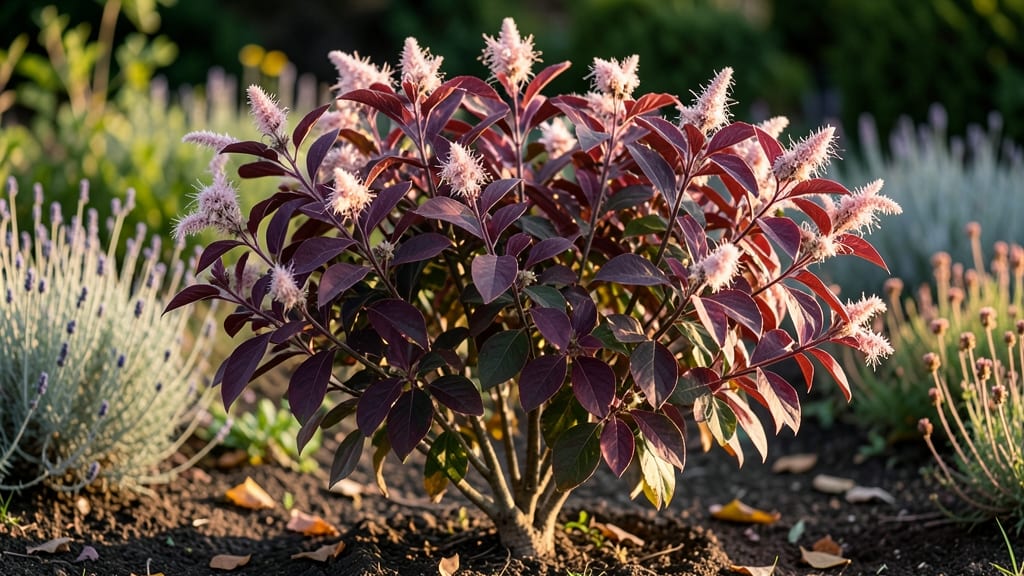
Your garden could look like a fall masterpiece all year long with red foliage shrubs—no waiting for autumn to arrive. 🌿 These vibrant plants transform any space into a living work of art, from fiery borders to striking focal points that steal the show in every season.
I’ve tested the best performers, like Cotoneaster with its glossy red leaves and winter berries, or Euonymus that turns brilliant scarlet in cold weather. They thrive in full sun to partial shade, making them perfect for almost any yard.
Plant them near evergreens for contrast or mix with silver foliage for a dramatic pop. The payoff? A garden that feels alive year-round, with bold colors that outshine seasonal flowers. These shrubs handle drought better than most, so they’re low-maintenance stars too.
Let’s pick the right ones for your design style—whether you want cottage charm or modern minimalism. Pair them with purple or yellow flowers to make the red leaves stand out even more. For example, Berberis thunbergii pairs beautifully with lavender or golden-leafed hostas.
The contrast creates visual magic that lasts from spring through winter.
📚 In This Guide
- What you need
- Instructions
- Tips and common mistakes
- Wrapping up and next steps
What you need
- ● Red foliage shrubs: 3–5 mature plants (e.g., Ilex verticillata ‘Red Sprite,’ Cotinus ‘Royal Purple,’ or Euonymus alatus ‘Compactus’)
- ● High-quality potting soil: 10–15 gallons (or enough to fill planting holes)
- ● Organic compost: 2–3 gallons (for nutrient boost)
- ● Slow-release fertilizer: 1 lb (balanced 10-10-10 or acid-loving blend for evergreens)
- ● Mulch (pine bark or shredded leaves): 2–3 bags (for moisture retention)
- ● Garden trowel or spade: 1 (for digging)
- ● Garden gloves: 1 pair (for protection)
- ● Watering can or hose with nozzle: 1 (for gentle hydration)
- ● Pruning shears: 1 (for shaping)
- ● Measuring tape: 1 (to space plants 3–6 ft apart, depending on variety)
- ● Epsom salt: 1 lb (for magnesium boost, especially for yellowing leaves)
- ● Plant stakes or cages: 2–4 (for support if needed)
- ● Decorative rocks or edging: 1–2 bags (for a polished look)
- ● Soil pH tester: 1 (to ensure optimal 5.0–6.5 range for most red shrubs)
How to select and plant red foliage shrubs for stunning year-round color
Here’s how I pick and place red-leaved shrubs for maximum impact—no green-out season here.
🌱 Step 1: Choose the Right Shrubs for Your Climate and Sun
Start by matching shrubs to your hardiness zone and sunlight. For example, Cotoneaster thrives in zones 5-8 with full sun to part shade, while Dwarf Fothergilla handles zones 4-8 in part shade. Check each plant’s tag for specifics—this ensures vibrant foliage all year.
I always pick at least one evergreen (like Rhododendron ‘Nova Zembla’) for winter color and one deciduous (like Euonymus ‘Burning Bush’) for seasonal contrast. The key is diversity—mix textures and growth habits to create visual interest. For example, combine a low-growing Heuchera with a tall Cornus sericea ‘Flaviramea’ for layered drama.
☀️ Step 2: Prepare the Planting Site for Optimal Growth
Test your soil’s pH—most red foliage shrubs prefer slightly acidic to neutral (6.0-7.0). Amend heavy clay with 2-3 inches of compost to improve drainage, and mix in a handful of slow-release fertilizer (like 10-10-10) for a nutrient boost. Avoid fresh manure—it can burn tender roots.
Dig holes twice as wide as the root ball but no deeper. Loosen the roots gently if they’re circling—this encourages outward growth. Place the shrub so the top of the root ball sits 1 inch above ground level—settling soil can bury stems over time, inviting rot.
🪴 Step 3: Plant and Mulch for Moisture Retention
Backfill the hole with native soil, tamping lightly to remove air pockets. Water deeply to settle the soil, then add a 3-inch layer of mulch (like pine bark or shredded leaves) around the base, keeping it 6 inches away from the stem. Mulch locks in moisture and regulates soil temperature—critical for young plants.
I always water again after mulching to help the soil settle. Avoid overwatering at first; soggy soil smothers roots. Instead, aim for 1 inch of water weekly, adjusting for rain. You’ll know it’s right when the top inch of soil feels damp but not soggy.
✂️ Step 4: Prune for Shape and Health in Early Spring
Wait until new growth appears before pruning—this ensures you don’t cut off dormant buds. Remove any dead, damaged, or crossing branches first. Then, shape the shrub by trimming back overgrown stems to just above a leaf node (the bump where leaves attach). This encourages bushier growth.
For dramatic effect, I prune one-third of the oldest stems each year, rotating which branches I cut. This keeps the shrub compact and vibrant. Avoid heavy pruning in fall—new growth won’t harden off before winter, leaving plants vulnerable to frost damage.
🌿 Step 5: Feed and Monitor for Year-Round Vibrancy
Apply a balanced fertilizer (like 10-10-10) in early spring and again in midsummer. Evergreens like Rhododendron need acidic fertilizer (like 8-3-9), while others tolerate general-purpose blends. Water thoroughly after feeding to distribute nutrients evenly.
Watch for pests like spider mites or aphids—red foliage can attract them. Spray with neem oil** at the first sign of trouble. If leaves fade or yellow, it’s often a sign of overwatering or poor drainage. Adjust your care routine and your shrubs will reward you with bold color for years.
Tips & tricks for stunning red foliage shrubs
These simple strategies will help you create a vibrant, low-maintenance landscape that pops year-round.
Climate Matching: Double-check your hardiness zone before purchasing shrubs—this is the single most important factor for success. For example, Cotoneaster in zone 9 might struggle with winter dieback, while Dwarf Fothergilla thrives there. I always verify with the local extension office if I'm on the border between zones.
Root Ball Placement: That 1-inch elevation above ground level in Step 2 isn't just arbitrary—it prevents stem rot from settling soil. I've seen too many plants fail because they were buried too deep. Use a level to check before backfilling, and consider adding a small mound of soil if your planting hole is too deep.
Mulching Technique: The 3-inch mulch layer should extend from the stem outward, but never touch the base. This creates an air gap that prevents moisture buildup against the bark. I use pine bark mulch because it breaks down slowly and adds acidity over time, which many red foliage plants love.
Pruning Calendar: Early spring is ideal for pruning because new growth signals the plant's readiness. I mark my calendar for the first week of April in my region—this gives plants time to recover before summer heat. Avoid pruning in fall, as new growth won't have time to harden off before winter.
Pro Tips for Red Foliage Shrubs
- These simple strategies will help you create a vibrant, low-maintenance landscape that pops year-round.
- Climate Matching: Double-check your hardiness zone before purchasing shrubs—this is the single most important factor ...
- Root Ball Placement: That 1-inch elevation above ground level in Step 2 isn't just arbitrary—it prevents stem rot fro...
Frequently asked questions
Got questions about adding red foliage shrubs to your landscape? You’re not alone! Here are answers to the most common queries to help you make the best choices for your garden:
What’s the best time of year to plant red foliage shrubs?
Plant them in early spring or fall when temperatures are mild. This gives roots time to establish before extreme heat or cold. Avoid planting in summer’s peak—the stress can stunt growth. If you’re in a warmer climate, late fall works too!
Do red foliage shrubs need full sun, or can they handle shade?
It depends on the variety! Many, like Cotinus ‘Royal Purple’, thrive in full sun to partial shade, while others (e.g., Berberis thunbergii ‘Rose Glow’) tolerate shadier spots. Check the specific shrub’s care tag—most will list ideal light conditions.
How do I keep my red shrubs looking vibrant all season?
Start with well-draining soil and regular watering (but avoid soggy roots!). Prune in late winter or early spring to encourage new growth. Fertilize lightly in spring with a balanced, slow-release formula. Mulch helps retain moisture and protect roots.
Why are my red foliage shrubs losing color or turning dull?
Dull or faded leaves often signal overwatering, poor soil, or nutrient deficiency. Check drainage—red shrubs hate “wet feet.” Amend soil with compost, and consider a foliar spray for extra vibrancy. If leaves yellow, it might be iron deficiency (common in alkaline soils).
Are there low-maintenance red foliage shrubs for beginners?
Try Ilex verticillata ‘Red Sprite’ (winterberry), Viburnum bodnantense ‘Dawn’ (spring blooms), or Physocarpus opulifolius ‘Little Devil’. These are drought-tolerant, disease-resistant, and thrive with minimal fuss—perfect for busy gardeners!
Wrapping up and next steps
Transforming your garden with red foliage shrubs is a game-changer—adding vibrant color, texture, and year-round interest with minimal effort! Whether you’re drawn to fiery Cotoneaster, deep-hued Berberis, or lush Ilex, these shrubs bring drama to any landscape while thriving in diverse climates.
The key? Choose wisely, prep your soil, and embrace their natural beauty with confidence.
Ready to dive in? Start small—pick one or two shrubs, sketch a layout, and watch your outdoor space bloom with bold, fiery charm! 🌿✨