
Flowers
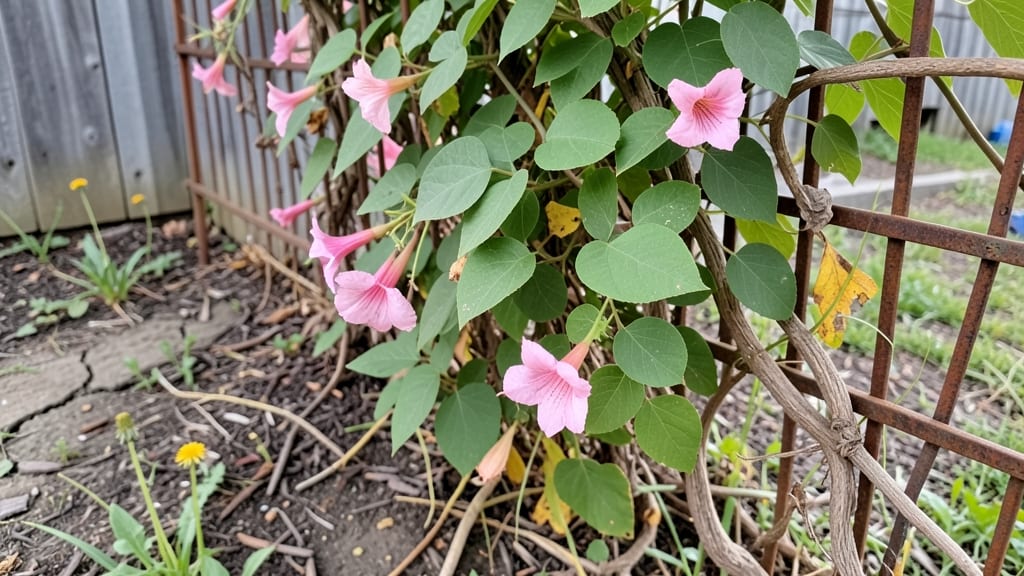
Pink trumpet-shaped flowers scream "old-world charm" in any garden. 🌸 I’ve fallen for shrubs like the fiery trumpet vine (Campsis radicans) and the delicate crossvine (Bignonia capreolata), both of which turn walls and trellises into living tapestries of color.
These aren’t just pretty faces—they’re the kind of vertical drama that makes cottage gardens feel like storybook settings.
The best part? They thrive in different ways. Trumpet vines love heat and climb aggressively, while crossvines adapt to partial shade and add fragrance to the mix. Plant them near roses or clematis for a layered, romantic effect that blooms from late spring through summer.
My own garden’s focal point is a crossvine draped over an arbor, its pink trumpets contrasting beautifully with the deep green foliage.
You’ll get months of bold color with minimal effort—just provide sturdy support and regular watering. These shrubs attract hummingbirds and butterflies too, turning your garden into a lively ecosystem. The key is pairing them with complementary textures: try pairing trumpet vines with lavender or peonies for a soft, cottage-core contrast.
Perfect for small spaces, large borders, or even container training. Whether you’re filling a blank wall or creating a garden room, these pink trumpets deliver drama without the fuss. Let’s talk placement and care next!
Why Trumpet Blooms Falter
Pink trumpet-shaped flowers—like those on coral bells (Heuchera) or trumpet honeysuckle (Lonicera sempervirens)—are a garden’s showstoppers. But when they fail to thrive, it’s often due to a mix of environmental stresses and care oversights.
Let’s break down the science behind why these blooms might not live up to their potential.
Pink trumpet-shaped flowers often struggle when their roots suffocate in soggy soil. These plants typically prefer well-draining conditions to prevent root rot, which can halt flowering entirely.
Why it happens:
- Compacted or clay-heavy soil traps excess moisture, cutting off oxygen to roots.
- Overzealous watering (especially in containers) leads to waterlogged conditions.
- Lack of organic matter reduces soil porosity, worsening drainage issues.
Actionable fix:
- Amend soil with compost or perlite to improve aeration.
- Ensure pots have drainage holes and elevate them slightly.
- Water only when the top 1–2 inches of soil are dry (stick your finger in to check!).
Most trumpet-shaped bloomers—like coral bells—thrive in partial shade, while others, such as trumpet vine (Campsis radicans), crave full sun. Too much or too little light disrupts photosynthesis, stunting flower production.
Why it happens:
- Too much sun (especially in hot climates) causes leaf scorch and stress, diverting energy away from blooms.
- Too little light (deep shade) weakens the plant, leading to leggy growth and sparse flowers.
Actionable fix:
- Morning sun + afternoon shade works best for most trumpet bloomers.
- Move potted plants to adjust light exposure seasonally.
- If indoors, place near east-facing windows for gentle, indirect light.
Pink trumpet flowers often originate from temperate or woodland regions, making them sensitive to extreme heat or cold snaps. Humidity fluctuations can also trigger bud drop.
Why it happens:
- Frost damage (below 20°F/-7°C) can kill buds before they open.
- Sudden heat waves (above 90°F/32°C) cause flowers to wilt or drop prematurely.
- Low humidity (common in dry climates) leads to bud blast (buds dry up and fall off).
Actionable fix:
- Mulch heavily in winter to protect roots from freezing.
- Provide afternoon shade in peak summer to prevent heat stress.
- Mist leaves occasionally in dry climates to boost humidity around buds.
Too little (or too much) fertilizer throws off a plant’s energy balance, often prioritizing leafy growth over flowers.
Why it happens:
- Nitrogen-heavy fertilizers (like lawn food) promote leafy but sterile growth.
- Phosphorus/potassium deficiencies (key for blooming) lead to small, weak flowers or no flowers at all.
- Salt buildup from over-fertilizing burns roots, halting flower production.
Actionable fix:
- Use a balanced, bloom-boosting fertilizer (e.g., 5-10-10 or 10-20-20 ratio).
- Test soil pH (ideal: 6.0–7.0 for most trumpet bloomers).
- Flush soil with water monthly to prevent salt buildup.
Aphids, spider mites, and fungal diseases (like powdery mildew) sap energy from trumpet-shaped shrubs, leaving them too weak to flower.
Why it happens:
- Aphids & mites suck sap, causing yellowing leaves and stunted growth.
- Fungal infections (from overwatering or poor airflow) create white powdery coatings that block sunlight.
- Bacterial leaf spot (from splashing water) leads to blackened, crinkled leaves.
Actionable fix:
- Spray neem oil weekly as a preventative.
- Remove infected leaves immediately to stop spread.
- Improve airflow by pruning crowded branches.
Timing matters! Pruning too late in the season removes next year’s flower buds, while over-pruning stresses the plant.
Why it happens:
- Late-summer pruning cuts off dormant flower buds forming for next year.
- Aggressive pruning (beyond 1/3 of the plant) weakens growth, reducing blooms.
Actionable fix:
- Prune immediately after flowering (early summer for most trumpet bloomers).
- Use clean, sharp shears to avoid tearing bark.
- Shape lightly—focus on removing deadwood, not drastic cuts.
Potted trumpet shrubs (like coral bells) often outgrow their containers, leading to root circling and nutrient starvation.
Why it happens:
- Roots spiral around the pot, choking growth.
- Limited soil volume restricts water and nutrient uptake.
- No repotting for 2+ years stunts flowering.
Actionable fix:
- Repot every 1–2 years in spring, using 1–2 inches larger pots.
- Loosen roots before repotting to prevent circling.
- Use well-draining potting mix (avoid garden soil).
Most trumpet-shaped bloomers send clear signals—yellow leaves? Check drainage. No flowers? Assess light and nutrients. By addressing these root causes (pun intended), your shrub will rebound with bold, vibrant trumpets in no time!
Revive Your Pink Trumpets Now
Reviving a shrub with stunning pink trumpet-shaped blooms—like the beloved coral bells (Heuchera) or trumpet honeysuckle (Lonicera sempervirens)—requires a mix of quick fixes and long-term care. Below, we break down the most common issues and actionable solutions to bring back those vibrant blooms and lush foliage.
Signs: Yellowing leaves, mushy stems, or roots that smell foul when dug up.
How to Fix It:
- 🔥 Stop Watering Immediately
- Let the soil dry out completely before watering again. Overwatering suffocates roots and invites fungal diseases.
- 🍳 Improve Drainage
- Amend heavy or compacted soil with perlite, sand, or compost (50/50 mix) to help excess water drain away.
- If planted in a container, ensure pots have drainage holes and use a well-draining potting mix.
- 👨🍳 Repot if Needed
- If roots are circling or rotting, transfer the shrub to a larger pot with fresh, airy soil.
Prevention Tips: ✨ Water deeply but infrequently—only when the top 1-2 inches of soil are dry. ✨ Avoid soggy spots—plant in raised beds or slopes if your yard holds water. ✨ Mulch lightly (1-2 inches) to retain moisture without smothering roots.
Signs: Crispy, brown leaf edges, wilting, or bleached patches.
How to Fix It:
- 🌡️ Gradually Adjust Light Exposure
- Move the shrub to partial shade (morning sun + afternoon shade) for a week, then slowly reintroduce full sun if it’s a sun-loving variety.
- 💧 Hydrate & Mist
- Water deeply in the morning to prevent evaporation. For extreme heat, mist leaves lightly in the evening to reduce stress.
- 🎯 Trim Damaged Foliage
- Snip off crispy or brown leaves with clean pruners to redirect energy to healthy growth.
Prevention Tips: ✨ Know your plant’s light needs—some trumpet-shaped shrubs (like Lonicera) thrive in shade, while others (like Campsis) crave full sun. ✨ Use shade cloth (30-50%) in peak summer if transplanting from shade to sun. ✨ Avoid midday watering—it increases evaporation and burns leaves.
Signs: White powdery spots (powdery mildew), holes in leaves (aphids), or sticky residue (scale insects).
How to Fix It:
- 🔪 Prune Infected Parts
- Cut away blackened or spotted leaves/stems and dispose of them in the trash (not compost).
- 🧼 Apply Organic Fungicides/Pesticides
- Neem oil spray (1 tbsp neem oil + 1 tsp mild soap per quart of water) for mild cases.
- Baking soda solution (1 tsp baking soda + 1 quart water + drop of soap) for powdery mildew.
- 🐞 Encourage Beneficial Insects
- Plant marigolds or basil nearby to attract ladybugs and lacewings, which eat pests.
Prevention Tips: 💡 Space plants properly (3-5 feet apart) for airflow and reduce humidity around leaves. 💡 Water at the base (not overhead) to keep foliage dry. 💡 Inspect regularly—catch pests early before they spread!
Signs: Leggy stems, sparse flowers, or overcrowded branches.
How to Fix It:
- 🌿 Prune at the Right Time
- Spring (after blooming): Trim dead or crossing branches to open the center for airflow.
- Late winter (dormant season): Cut back 1/3 of old stems to encourage new growth.
- 🎯 Shape for Vertical Interest
- Encourage upward growth by pinching back tips of young shoots in early summer.
- 🌱 Fertilize Lightly
- Use a balanced, slow-release fertilizer (10-10-10) in early spring to support blooms.
Prevention Tips: ✨ Avoid heavy pruning in fall—it stimulates tender new growth that may freeze. ✨ Use sharp, sterilized tools to prevent disease spread. ✨ Deadhead spent blooms to redirect energy into new flowers.
Final Thought: Most shrubs with pink trumpet-shaped flowers are resilient—with the right care, they’ll bounce back stronger than ever! Start with one fix at a time (drainage, light, or pests) and monitor progress weekly. 🌸
Frequently asked questions
Which shrubs produce the most vibrant pink trumpet-shaped blooms?
The showiest options include trumpet vine (Campsis radicans) with fiery pink trumpets, crossvine (Bignonia capreolata) for fragrant pink clusters, and allamanda (Allamanda cathartica) for tropical pink trumpets. For smaller gardens, coral bells (Heuchera) offer delicate pink bell-shaped blooms with stunning foliage.
Can I grow these shrubs in containers?
Trumpet vine and allamanda thrive in 15-gallon+ containers with well-draining soil. Crossvine works well in hanging baskets for vertical interest. Just ensure pots have drainage holes and provide sturdy trellises for climbing varieties. Repot every 2-3 years to prevent root-bound stress.
How do I attract hummingbirds to pink trumpet shrubs?
Plant native trumpet-shaped flowers like trumpet honeysuckle or bee balm alongside your shrubs. Avoid pesticides and provide a shallow water source (like a saucer with pebbles). The bright pink color and tubular shape naturally attract hummingbirds—just ensure they bloom from spring through summer for continuous visits.
When is the best time to prune trumpet-shaped shrubs?
Prune right after flowering (late spring/early summer) to maintain shape without removing next year's buds. For aggressive climbers like trumpet vine, do a light pruning in late winter to control growth. Never prune in fall—it encourages tender new growth that may freeze.
What's the secret to getting more pink trumpet blooms?
Ensure full sun exposure (6+ hours daily) and use a low-nitrogen, high-phosphorus fertilizer (like 5-10-5) in early spring. Deadhead spent blooms regularly to encourage reblooming. For shade-tolerant varieties, boost blooms with a morning sun + afternoon shade placement.