
Succulent
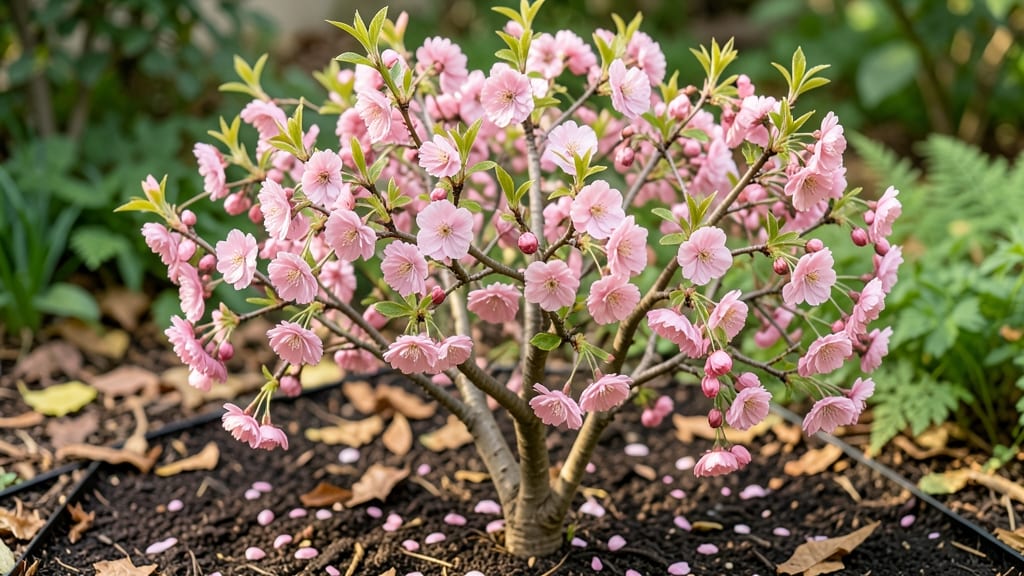
Pink almond shrubs like Prunus triloba 'Pink Perfection' turn spring into a cloud of fragrant blossoms that lasts for weeks. 🌸 Their delicate pink flowers aren’t just pretty—they’re a magnet for pollinators and a showstopper in any garden design.
I’ve used them as both a focal point and a low-maintenance hedge, and they never fail to impress. The real magic happens when you pair them with complementary plants. Try them alongside lavender for a cottage-garden feel, or pair with boxwood for a crisp, modern border.
Their glossy green leaves add texture year-round, while the spring blooms create a stunning contrast against darker foliage. You’ll love how they adapt to different styles—whether you’re going for a romantic cottage look or a sleek, contemporary vibe.
The fragrance alone makes them worth planting, but their versatility in design is what truly sets them apart. Perfect for small gardens, urban courtyards, or as a standalone specimen. Here’s how to make the most of their beauty in your space!
📚 In This Guide
- What you need
- Instructions
- Tips and common mistakes
- Wrapping up and next steps
What you need
- ● Almond Shrub Pink plants: 1–3 nursery-grown shrubs (6–12 inches tall) or seeds (if starting from scratch). Pro tip: 💡 Opt for container-grown plants for faster blooms!
- ● Well-draining soil: 5+ gallons of a mix of 50% potting soil, 30% perlite/sand, and 20% compost (pH 6.0–7.5).
- ● Pot or garden bed: Containers: 1–3 gallons per plant (ensure drainage holes!)
- ● Garden beds: Full sun (6+ hours/day) with loose, rocky soil (mimics native Mediterranean conditions).
- ● Slow-release fertilizer: 1 lb of 10-10-10 NPK blend (sprinkle at planting time).
- ● Garden gloves (1 pair) – Protect your hands from thorns!
- ● Trowel or shovel – For digging holes (6–8 inches deep/wide).
- ● Watering can or hose with a gentle spray nozzle (overwatering = root rot!).
- ○ Pruning shears (optional) – For shaping or harvesting cuttings.
- ○ Mulch (optional): 2–3 inches of gravel or pebbles to retain moisture and deter weeds.
- ● 🌡️ Climate: USDA Zones 7–10 (or a greenhouse for colder regions).
- ● ⏳ Patience: Shrubs take 2–3 years to bloom fully from seed!
- ● 💧 Watering routine: Deep water 2–3 times/week (less in winter).
How to grow and maintain almond shrub pink for stunning fragrance
This elegant shrub brings pink blooms and almond-scented air to your garden with minimal fuss.
🌱 Step 1: Select the Right Location and Soil
Almond Shrub Pink thrives in full sun to partial shade, with at least 6 hours of direct sunlight daily. I always plant mine where it gets morning sun and afternoon shade—this prevents leaf scorch while still encouraging abundant blooms. The soil should be well-draining but moist, so avoid heavy clay unless you amend it with 2-3 inches of organic matter like compost.
Before planting, dig a hole twice as wide as the root ball but only as deep. The top of the root ball should sit 1 inch above ground level—this prevents water from pooling around the stem. If your soil is sandy, mix in a handful of peat moss to help retain moisture.
☀️ Step 2: Plant at the Correct Time and Depth
Spring or early fall are the best times to plant, when temperatures are 60-75°F. I like to plant in late March or early September in my zone, as the roots establish before summer heat or winter cold sets in. Remove the shrub from its container and gently loosen the roots if they’re circling.
Place the shrub in the hole, backfill with native soil, and tamp lightly to remove air pockets. Water deeply right after planting—1 gallon per shrub—to settle the soil. Mulch around the base with 2-3 inches of shredded bark, keeping it 3 inches away from the stem to prevent rot.
💧 Step 3: Water Consistently for Strong Root Growth
Water deeply once a week during the first growing season, ensuring the soil stays moist but not soggy. You’ll know it’s right when the top 2 inches of soil feel damp but not wet. Overwatering is the biggest mistake—it leads to root rot, which can kill the shrub in weeks.
After the first year, Almond Shrub Pink becomes drought-tolerant. Reduce watering to every 2-3 weeks unless you’re in a hot, dry climate. Always water at the base, not overhead, to protect the fragrant blooms from fungal issues. Early morning is the best time to water—it gives leaves time to dry before evening.
✂️ Step 4: Prune for Shape and Encourage More Blooms
Prune right after flowering, in late spring or early summer, to shape the shrub and promote bushier growth. Remove any dead, diseased, or crossing branches first—these can block airflow and invite pests. I use clean, sharp shears to make cuts at a 45-degree angle, just above a leaf node.
For a fuller look, trim back one-third of the oldest stems to the ground. New growth will sprout from the base, creating a denser, more vibrant shrub. Avoid heavy pruning in fall or winter—this stresses the plant when it’s already dormant. Fertilize lightly with balanced 10-10-10 in early spring to support new growth.
🌿 Step 5: Protect and Enjoy Year-Round Beauty
Almond Shrub Pink is low-maintenance but benefits from a light winter mulch in colder climates. Spread 1-2 inches of mulch around the base in late fall, then remove it in early spring. This insulates the roots without suffocating the plant.
Watch for aphids or spider mites—these pests love the tender new growth. A strong spray of water usually knocks them off, but neem oil works if they persist. The fragrant pink blooms will reward your care with months of color and scent, making it a standout in any garden.
Tips & tricks for perfect almond shrub pink care
These little-known tricks will transform your Almond Shrub Pink into a fragrant centerpiece that steals the show every season.
Sunlight Strategy: I’ve learned the hard way that morning sun and afternoon shade is the golden ticket for vibrant blooms. If you notice leaf edges turning crispy, it’s a sign your shrub is getting too much midday sun—move it to a spot with filtered light during those hot afternoon hours. The key is balancing those 6 hours of direct sunlight without scorching the delicate foliage.
Soil Prep Secret: Before planting, I always mix in a handful of peat moss if my soil is sandy—this helps retain just enough moisture without turning the roots soggy. For clay-heavy soil, focus on that 2-3 inches of organic matter like compost. The goal is to mimic the shrub’s natural preference for well-draining yet consistently moist conditions. Think of it as creating a perfect sponge for the roots.
Watering Wisdom: The 2-inch dampness test is my go-to method for checking soil moisture. Stick your finger down—if it feels dry at 2 inches, it’s time to water. I’ve ruined shrubs by overwatering, so remember: soggy soil equals root rot. For established plants, let the soil dry slightly between waterings, especially after that first year when drought tolerance kicks in.
Pruning Pro Tip: When you’re trimming back those one-third of oldest stems in late spring, look for stems that are thicker than a pencil—they’re the powerhouses for new growth. Make your cuts just above a leaf node at a 45-degree angle to prevent water from pooling. This simple technique has doubled my shrub’s bloom production over the years.
Pro Tips for Almond Shrub Pink
- These little-known tricks will transform your Almond Shrub Pink into a fragrant centerpiece that steals the show every season.
- Sunlight Strategy: I’ve learned the hard way that morning sun and afternoon shade is the golden ticket for vibrant blooms.
- Soil Prep Secret: Before planting, I always mix in a handful of peat moss if my soil is sandy—this helps retain just enough moisture without turning the roots soggy.
Frequently asked questions
What’s the best time to plant Almond Shrub Pink?
The ideal window is early spring or fall when temperatures are mild (50–75°F). Planting in spring lets roots establish before summer heat, while fall gives it time to settle before winter dormancy. Avoid extreme heat or frost—both stress young shrubs!
How much sunlight does Almond Shrub Pink need daily?
This shrub loves full sun (6+ hours/day) for vibrant blooms and compact growth. In hot climates, morning sun + afternoon shade prevents leaf scorch. Too little light? Expect leggy stems and fewer pink flowers—adjust pruning to encourage bushier habits.
Why aren’t my Almond Shrub Pink flowers opening?
Common culprits include:
- Underwatering: Soil should stay evenly moist (not soggy). Drought stress delays blooms.
- Over-fertilizing: Too much nitrogen = leafy growth, not flowers. Use a balanced 10-10-10 fertilizer in spring.
- Temperature shock: Sudden cold snaps or heatwaves can stall flowering. Mulch helps regulate soil temps.
Can I grow Almond Shrub Pink in containers?
Choose a large pot (18"+ diameter) with drainage holes and well-draining soil (cactus/succulent mix works). Repot every 2–3 years and prune roots if they circle. Pro tip: Place containers in bright, indirect light indoors to mimic outdoor conditions.
What’s the best way to prune for more pink blooms?
Prune right after flowering (late spring) to shape the shrub and encourage dense growth. Cut back 1/3 of the oldest stems to the base, and trim leggy branches to maintain a rounded form. Never prune in fall or winter—new growth won’t harden off before cold snaps!
Are there drought-tolerant alternatives to Almond Shrub Pink?
If you need low-water options with similar pink blooms, try:
- Texas Ranger (Leucophyllum frutescens): Blooms after rain, thrives in heat.
- Pink Muhly Grass (Muhlenbergia capillaris): Airy plumes, drought-resistant.
- Pink Fairy Duster (Calliandra eriophylla): Fragrant, heat-loving, and pollinator-friendly.
Wrapping up and next steps
Embrace the timeless beauty of almond shrub pink—a fragrant, low-maintenance gem that transforms any garden into a serene sanctuary. Whether you're drawn to its delicate blossoms, drought-resistant charm, or year-round appeal, this succulent-inspired shrub offers effortless elegance with minimal fuss. Ready to elevate your outdoor space? Start by gathering your supplies and dive into planting today—your garden’s next masterpiece awaits! 🌸✨