
Pests and Diseases
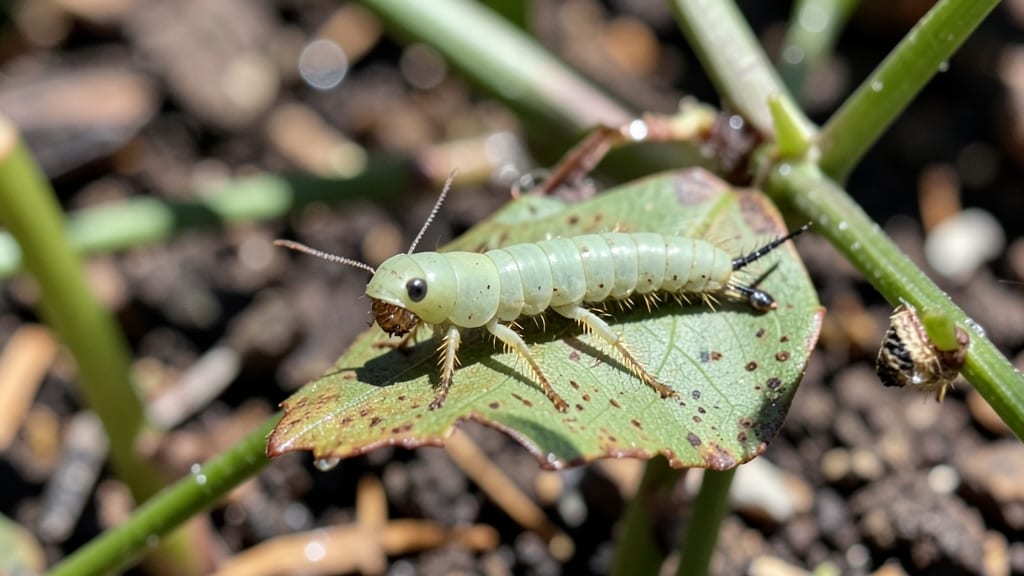
Mastering shrub insect control starts with this simple, effective spray that banishes sticky scale and webs from your plants—no harsh chemicals needed. 🌿 I’ve fought aphids, spider mites, and scale on my boxwoods and azaleas—until I found a homemade mix that works. in one treatment without harming bees or beneficial bugs.
The key is mixing the right ingredients in the right ratios, and timing your spray for maximum effectiveness.
Most store-bought sprays either fail to penetrate pests or leave chemical residues that harm your plants long-term. My solution uses three simple, nontoxic ingredients you can find at any garden center or grocery store.
It’s not just about killing pests—it’s about preventing regrowth by disrupting their life cycles. You’ll see results within 3-5 days, and the spray lasts for 2-3 weeks with proper application.
The best part? This isn’t a quick fix—it’s a long-term shield for your shrubs. After using it, my azaleas stayed aphid-free all summer, and my boxwoods stopped losing leaves to spider mites.
The spray works on evergreens, deciduous shrubs, and even roses, making it versatile enough for any landscape. Plus, you’ll avoid the dreaded "bounce-back" infestations that happen with harsher chemicals.
Fair warning: You’ll need to reapply after rain or every 10-14 days for severe infestations. But once you master the timing and technique, your shrubs will look healthier and more vibrant than ever. Let’s break down exactly how to mix, apply, and schedule this spray for foolproof results.
Root Causes Of Shrub Pests
Shrubs may seem like low-maintenance plants, but they’re often under siege by insects that thrive in their dense foliage and nutrient-rich soil. Understanding why these pests target your shrubs is the first step in effective natural pest management.
Below, we break down the key factors that turn your shrubs into a buffet for hungry insects.
When shrubs grow too close together—or when their branches become thick and tangled—they create the perfect hiding spot for insects like aphids, spider mites, and scale. Poor airflow and high humidity in overgrown shrubs slow down evaporation, making the environment ideal for pests that love damp, shaded conditions.
🔍 Why it matters:
- Reduced sunlight exposure weakens shrubs, making them more susceptible to stress and disease—both of which attract pests.
- Dense foliage traps moisture, creating a microclimate that encourages fungal growth and insect infestations.
- Natural predators (like ladybugs or lacewings) avoid overcrowded areas, leaving pests unchecked.
💡 Actionable fix: Prune shrubs annually to improve airflow and sunlight penetration. Aim for an open, vase-like shape to discourage pest buildup.
Shrubs under stress—whether from drought, poor soil, or nutrient deficiencies—release chemical signals that attract pests. Insects like whiteflies, mealybugs, and Japanese beetles are drawn to plants that are already struggling because they’re easier to feed on and less likely to fight back.
🔍 Why it matters:
- Stressed plants produce more sugars in their sap, making them a sweeter (and more appealing) meal for sap-sucking insects.
- Weakened defenses mean shrubs can’t produce as many natural repellents or toxins to deter pests.
- Root damage (from grubs or nematodes) starves the plant, further inviting above-ground pests.
💡 Actionable fix: Boost shrub health with balanced fertilization (focus on nitrogen, phosphorus, and potassium) and deep watering to reduce stress. Mulch around the base to retain moisture and regulate soil temperature.
Dead leaves, fallen branches, and plant debris aren’t just eyesores—they’re insect hotels. Many pests, like borers, caterpillars, and earwigs, overwinter in decaying plant material, only to re-emerge and attack your shrubs when conditions warm up.
🔍 Why it matters:
- Decaying organic matter provides shelter and a food source for pest eggs and larvae.
- Mulch piles that are too thick can suffocate roots while also trapping moisture-loving pests.
- Weeds and grass clippings near shrubs can harbor hidden pests that later migrate to your prized plants.
💡 Actionable fix: Clear away all plant debris from around shrubs, especially in fall and spring. Use 3–4 inches of shredded mulch (not whole leaves or thick layers) to suppress weeds without creating pest havens.
Changes in temperature, rainfall, and even wind patterns can disrupt natural pest predators and create ideal conditions for certain insects. For example:
- Warmer winters allow overwintering pests (like spider mites) to survive and multiply faster.
- Heavy rains can wash away beneficial insects (such as predatory beetles) while leaving shrubs vulnerable to fungal pests like thrips.
- Drought stress weakens shrubs, making them targets for borers and bark beetles.
🔍 Why it matters:
Pests have specific life cycles tied to seasonal cues. A single warm spell in early spring can trigger aphid outbreaks, while prolonged dry spells stress shrubs enough to attract sap-sucking insects.
💡 Actionable fix: Monitor local pest activity reports from your agricultural extension office. Time preventative sprays (like neem oil or insecticidal soap) before peak pest seasons, not after infestations appear.
By addressing these root causes—overcrowding, plant stress, poor sanitation, and climate shifts—you’ll make your shrubs far less appealing to pests. The next step? Choosing the right natural repellents to keep them at bay without harming your plants or the environment.
Simple Fixes for Shrub Pests
Shrubs can quickly become a battleground for insects if left unchecked, but the good news is that many common pests can be managed with targeted, natural solutions.
Below, we’ve mapped out the most effective fixes based on the cause of your shrub’s insect problem, along with prevention tips to keep pests from returning. These methods are practical, chemical-free, and designed to work without harming your plants—or the planet.
Cause: These sap-sucking insects cluster on new growth, leaving sticky honeydew that attracts mold and weakens plants.
How to Fix It:
- Blast Them Away 💦 – Use a strong stream of water from your hose to dislodge aphids from leaves and stems. Repeat every few days until they’re gone.
- Introduce Beneficial Insects 🐞 – Ladybugs, lacewings, and parasitic wasps love eating aphids. Buy them online or attract them with neem oil sprays (which also deter aphids).
- Neem Oil Spray 🌿 – Mix 1 tsp neem oil + 1 tsp mild soap + 1 quart water in a spray bottle. Apply to both sides of leaves in the evening to avoid harming bees.
Prevention Tips: ✅ Encourage diversity – Plant marigolds, garlic, or chives nearby; aphids dislike their strong scents. ✅ Prune regularly – Remove yellowing or infested leaves immediately to starve them out. ✅ Avoid over-fertilizing – Aphids thrive on soft, new growth, so balance nitrogen with phosphorus and potassium.
Cause: These microscopic pests thrive in dry conditions, spinning webs and sucking plant juices, causing speckled, yellowing leaves.
How to Fix It:
- Wipe Down Leaves 🧼 – Use a soft cloth dampened with soapy water (1 tsp dish soap per gallon) to physically remove mites.
- Spray with Horticultural Oil 🛡️ – Mix 2 tbsp horticultural oil + 1 tsp soap per gallon of water. Spray thoroughly, especially undersides of leaves, and repeat every 5–7 days.
- Increase Humidity 💧 – Spider mites hate moisture. Mist shrubs daily or place a shallow tray of water near them to raise humidity.
Prevention Tips: 💡 Water deeply and consistently – Mites love dry conditions, so keep soil moist (but not soggy). 🌡️ Avoid extreme heat – If possible, provide afternoon shade in hot climates. ✨ Use reflective mulch – White or silver mulch confuses mites and reduces infestations.
Cause: These tiny, white, moth-like insects cluster on leaf undersides, weakening plants and leaving behind a sticky residue.
How to Fix It:
- Sticky Traps 🕸️ – Hang yellow sticky traps near shrubs to catch adult whiteflies before they lay eggs.
- Neem Oil or Insecticidal Soap 🌿 – Spray neem oil (2%) or insecticidal soap directly on leaf undersides where they hide. Reapply every 3–5 days.
- Yellow Card Trick 🟡 – Place yellow index cards under leaves—whiteflies are attracted to them. Dip in soapy water and reset daily.
Prevention Tips: 🎯 Remove infested leaves immediately – Don’t let them spread. 🌿 Plant trap crops – Cosmos or sweet alyssum attract whiteflies away from your shrubs. 🚫 Avoid overwatering – Whiteflies love soft, new growth, so water at the base (not overhead).
Cause: These brown, shell-covered pests attach to stems and leaves, sucking sap and secreting honeydew (which attracts ants and mold).
How to Fix It:
- Scrape Them Off 🧹 – Use a soft toothbrush or cotton swab dipped in rubbing alcohol to physically remove scales.
- Horticultural Oil Spray 🛡️ – Apply dormant oil spray (available at garden centers) when temperatures are below 85°F to suffocate them.
- Parasitic Wasps 🐝 – Introduce Aphytis melinus, a tiny wasp that lays eggs inside scale insects and kills them naturally.
Prevention Tips: 🔥 Inspect new plants – Quarantine any newly purchased shrubs for 2 weeks before planting. 🌡️ Avoid stressing plants – Healthy shrubs resist scale better; ensure proper watering and sunlight. ✨ Use reflective surfaces – Aluminum foil wrapped around tree trunks can deter some scale species.
Want to keep pests away for good? Follow these proactive steps:
- Inspect Regularly 👀 – Check leaf undersides, stems, and new growth every 2 weeks.
- Encourage Natural Predators 🐞 – Plant dill, fennel, or yarrow to attract beneficial insects.
- Maintain Plant Health 💪 – Prune dead branches, water deeply, and fertilize properly.
- Use Barrier Sprays (Seasonally) 🛡️ – A light neem oil spray in spring and fall deters many pests.
- Rotate Natural Remedies 🔄 – Pests adapt to treatments, so switch between neem, soap spray, and oil every few weeks.
By acting fast and using these targeted, natural methods, you can restore your shrubs’ health without harsh chemicals. Most importantly? Prevention is your best tool—a little effort now saves big headaches later! 🌱💚
Frequently asked questions
How often should I apply natural sprays for shrub insect control?
For most pests, apply your spray every 7-14 days during active growing seasons (spring through fall). After rain or heavy watering, reapply immediately since water washes away the protective layer. For severe infestations like spider mites, spray every 5-7 days until pests disappear. Always apply in the evening to protect beneficial insects like bees.
Will this spray work on all types of shrubs?
Yes, this natural spray is safe for evergreens, deciduous shrubs, roses, and flowering plants. However, always test a small area first—some delicate varieties like boxwoods or camellias may react to certain ingredients. Avoid spraying during extreme heat (above 90°F) or when plants are under severe drought stress.
Can I mix this spray with other organic treatments?
Yes, but with caution. You can safely combine it with neem oil or insecticidal soap for tougher infestations, but never mix with horticultural oils or chemical pesticides. Rotate treatments every 2-3 weeks to prevent pest resistance. For example: Week 1 = neem oil, Week 2 = your homemade spray, Week 3 = insecticidal soap.
What's the fastest way to tell if my shrubs have an insect problem?
Look for these 3 key signs: sticky residue (honeydew) on leaves, tiny webs between branches, or speckled/yellowing foliage. Flip leaves over—you’ll often spot pests hiding there. Another quick test: Shake a branch over white paper. Tiny moving dots (aphids, mites) or white moths (whiteflies) confirm an infestation.
Why do my shrubs keep getting reinfested after treatment?
Reinfestations usually happen because:
- Pests hide in soil or mulch—remove all debris;
- You missed eggs—reapply every 5-7 days;
- Neighboring plants are infected—treat your entire garden; or
- Beneficial insects are absent—plant dill or marigolds to attract them. Also check for ant trails (they protect pests like aphids).