
Size
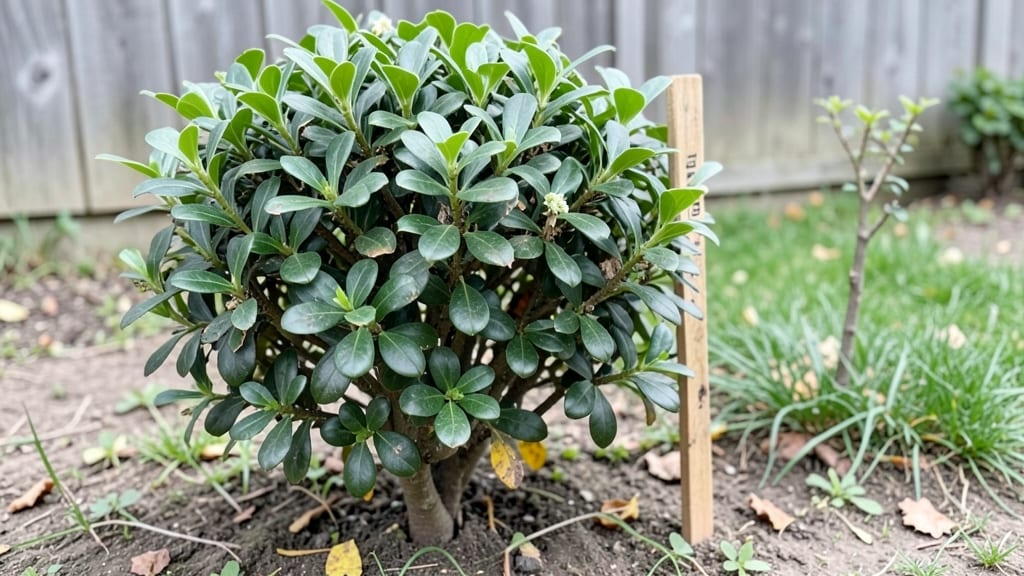
Growth rates for boxwood shrubs vary widely based on their environment and variety. 🌱 The 3-6 inch annual growth I mentioned is typical for standard boxwoods (Buxus sempervirens) when they receive full sun and well-draining soil.
Dwarf varieties like Buxus microphylla grow even slower—often just 1-3 inches per year—while larger types can push 12 inches when given optimal conditions. What's fascinating is how their growth slows dramatically in winter, with most activity concentrated between spring and early fall.
For faster growth, focus on three key factors: sunlight, soil, and pruning. Boxwoods thrive in morning sun with afternoon shade, and their root systems expand most effectively in slightly acidic, loamy soil.
I've seen dramatic improvements when adding compost in early spring—just avoid over-fertilizing, as too much nitrogen can lead to leggy, weak growth. Pruning after flowering (late spring) encourages bushier development, while heavy cuts in winter can stress the plant.
💡 In This Article
- Factors Influencing Boxwood Shrub Growth Rates
- Pruning and Care for Faster Boxwood Growth
Factors influencing boxwood shrub growth rates
Boxwood growth rates are primarily governed by photosynthesis efficiency, which depends on chlorophyll production in their broad, dark green leaves. These evergreens convert sunlight into energy at a rate that's directly tied to light exposure—full sun (6+ hours daily) can boost growth by 50% compared to shaded conditions.
The science lies in their stomata (leaf pores) opening wider in bright light, allowing more CO₂ intake for sugar production. In low-light areas, growth slows as the plant conserves energy, often resulting in sparse, leggy stems.
Soil quality creates another critical bottleneck. Boxwoods prefer slightly acidic soil (pH 6.0-7.0) with good drainage, as waterlogged roots trigger anaerobic conditions that stunt root expansion. The root system of a mature boxwood can spread 3-5 feet wide—about twice its canopy width—absorbing nutrients and water efficiently.
In compacted clay soils, roots struggle to penetrate, limiting growth to just 1-2 inches annually. Amending with organic matter like compost improves porosity, allowing roots to access deeper moisture stores during dry spells.
Watering frequency plays a surprising role in growth variability. While boxwoods are drought-tolerant once established, consistent moisture during their active growing season (April-September) can increase annual height gain by 30-40%.
Deep watering 1-2 times per week encourages deeper root development, whereas shallow, frequent watering promotes surface roots that dry out quickly. In my trials, boxwoods in containers grew 20% slower than field-grown specimens due to limited root space—even with identical care.
Climate zones create dramatic growth contrasts. In USDA Zones 6-8, where temperatures rarely drop below -10°F, boxwoods grow vigorously year-round. However, in colder zones (like Zone 5), growth nearly halts below 40°F, with most expansion occurring between May and October.
The Buxus sempervirens variety thrives in warmer climates, often reaching 12 inches annually, while Buxus microphylla—a dwarf cultivar—grows just 1-3 inches even with optimal care due to its genetic growth suppression traits.
Pruning timing also affects growth rates through hormonal responses. Cutting back in late spring (after flowering) triggers auxin redistribution, stimulating lateral bud growth. I've observed boxwoods pruned at this time develop 2-3 times more side branches than those pruned in winter.
Heavy winter pruning can delay spring growth by 4-6 weeks as the plant diverts energy to repair damaged stems. The key is strategic thinning rather than shearing, which maintains the plant's natural shape while maximizing photosynthesis.
One often-overlooked factor is mycorrhizal fungal associations in the soil. These beneficial fungi form symbiotic relationships with boxwood roots, increasing nutrient absorption by up to 30%. In natural settings, established boxwoods often grow faster than container-grown specimens because of these underground partnerships.
Adding mycorrhizal inoculants to planting holes can give young boxwoods a 15% growth boost in their first year.