
Shrubs
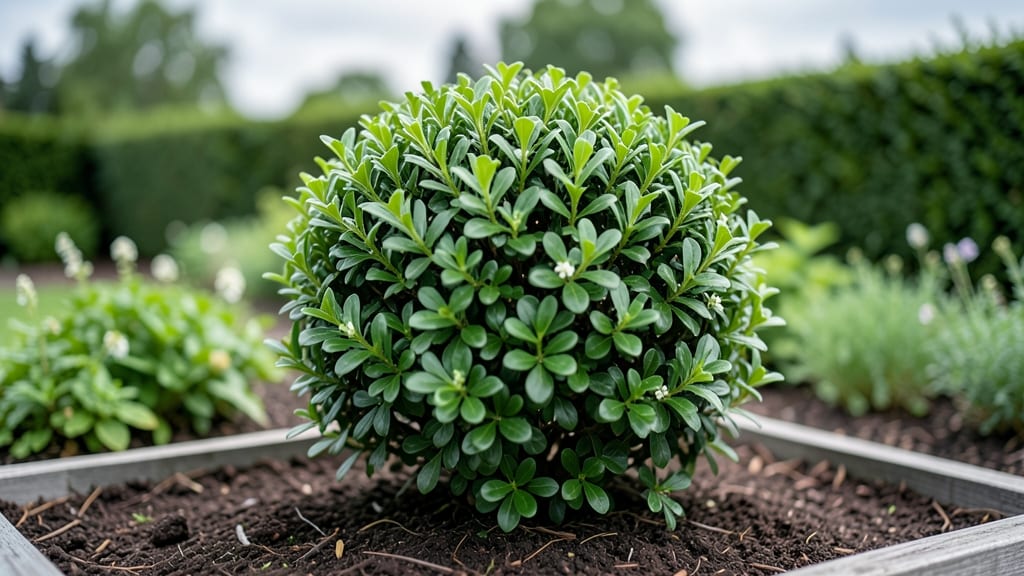
Boxwood shrubs thrive in Zone 5 when you prune them the right way—this blueprint keeps them dense, disease-resistant, and stunning through winter’s worst. 🌿 I’ve spent years perfecting my late-winter pruning routine, and it’s the secret to boxwoods that stay lush even after sub-zero nights.
The key isn’t just cutting back; it’s timing, sharp tools, and understanding how these evergreens heal in cold climates.
Start with well-draining soil and full sun to partial shade—boxwoods in Zone 5 need both to handle winter stress. Plant in early fall or spring, then mulch heavily to protect roots from freeze-thaw cycles.
Prune right after flowering (late spring) to avoid encouraging tender new growth before frost. Use clean shears and cut at a 45-degree angle just above a leaf bud to prevent water pooling.
You’ll end up with shrubs that look like they’re from a nursery catalog, not your backyard. The right pruning turns boxwoods into year-round foundation plants—neat, symmetrical, and pest-resistant.
Even in Zone 5’s harsh winters, they’ll bounce back with vibrant green foliage if you follow these steps. The payoff? A landscape that stays polished through snow and ice.
This method works for all boxwood varieties—from compact ‘Green Velvet’ to sprawling ‘American Holly’—and adapts to hedges, topiary, or standalone shrubs. Whether you’re shaping a formal hedge or just tidying up, the same principles apply. Let’s get those shears sharp and those shrubs thriving!
📚 In This Guide
- What you need
- Instructions
- Tips and common mistakes
- Wrapping up and next steps
What you need
- ● Pruning shears – Bypass pruners (sharp, 6-8" blades) for clean cuts on small stems.
- ● Loppers – Bypass or anvil type (10-14" blades) for thicker branches (up to 1.5" diameter).
- ○ Pruning saw – Curved-tooth saw for stubborn, woody stems (optional but handy for overgrown shrubs).
- ● Garden gloves – Heavy-duty, cut-resistant (e.g., blank">mechanics’ gloves) to protect hands from thorns and sharp edges.
- ● Disinfectant spray – 70% isopropyl alcohol or diluted bleach solution (1 part bleach to 9 parts water) to sterilize tools between cuts (prevents disease spread).
- ○ Rake or leaf blower – For clearing debris post-pruning (optional but saves time!).
- ● Mulch – 2-3 inches of organic mulch (e.g., shredded bark or pine straw) to insulate roots in winter.
- ● Timing – Prune in late winter or early spring (before new growth starts) or lightly after flowering (June). Avoid heavy pruning in fall—boxwoods need time to harden off for winter!
- ● Weather check – Wait for dry, above-freezing days (40°F+). Wet or icy conditions can stress the plant.
- ● Health assessment – Inspect shrubs for dead, diseased, or pest-damaged branches before pruning. Remove these first to prioritize plant health.
- ● Handheld leaf blower – Speeds up cleanup after pruning.
- ● Pruning paint – Sealant for large cuts (e.g., blank">Tree Seal) to protect exposed wood.
- ● Garden kneeler/pad – For comfort during low-to-the-ground pruning.
- ● Plant food – Balanced fertilizer (10-10-10 or slow-release) to apply post-pruning for a nutrient boost.
Instructions for pruning boxwood shrubs in Zone 5
Here's the proven method I use to keep boxwoods dense, disease-free, and thriving through harsh winters.
✂️ Step 1: Time Your Pruning for Optimal Growth
Prune boxwoods in early spring, just as new growth begins—typically late March to early April in Zone 5. This timing ensures you remove winter damage while leaving enough foliage to protect against late frosts. Avoid pruning in fall; new growth won't harden off before winter, making plants vulnerable to cold damage.
Look for pale green buds along the stems as your cue. These indicate the plant is waking up but hasn't yet pushed new shoots. If you prune too early, you risk exposing tender new growth to unexpected cold snaps. If you wait too long, you'll remove too much of the current season's growth, weakening the shrub.
✂️ Step 2: Shape with Precision Cuts
Use clean, sharp bypass pruners to make cuts at a 45-degree angle, just above a leaf bud or branch junction. This angle prevents water from pooling on the cut, which can lead to rot. Start by removing any dead, diseased, or crossing branches—these are your top priorities. Dead branches are easy to spot: they're brown, brittle, and don't bend when you test them.
For shaping, focus on maintaining the natural form of the shrub. Boxwoods grow slowly, so you don't need to remove more than one-third of the foliage in a single pruning. If you see yellowing leaves or bare spots, these are signs of over-pruning or environmental stress. Step back frequently to check your progress—what looks balanced up close might look uneven from a few feet away.
🌿 Step 3: Thin Out for Air Circulation
Boxwoods thrive when they receive good airflow, which reduces the risk of fungal diseases like box blight. To improve circulation, selectively thin out the interior of the shrub by removing overcrowded branches that block light and air. Focus on branches growing inward or rubbing against others. These are often thinner and less vigorous, making them easy to identify.
Use your pruners to make clean cuts close to the main stem for thicker branches, or just above a leaf bud for thinner ones. Avoid leaving stubs—these can trap moisture and invite disease. After thinning, the center of the shrub should look lighter and more open. This isn't about creating a sparse look; it's about ensuring every part of the plant gets sunlight and air.
⏰ Step 4: Post-Pruning Care for Recovery
After pruning, water deeply to help the shrub recover. Aim for 1-1.5 inches of water per week, either from rainfall or irrigation, to keep the soil consistently moist but not soggy. Mulch around the base with 2-3 inches of organic mulch (like shredded bark) to retain moisture and protect roots from temperature fluctuations. Keep the mulch 2-3 inches away from the stem to prevent rot.
Monitor the shrub for new growth in the following weeks. Healthy boxwoods will show dark green, glossy leaves within 4-6 weeks of pruning. If you notice yellowing leaves or stunted growth, it could signal over-pruning or nutrient deficiency. In this case, apply a balanced, slow-release fertilizer in early spring to support recovery. Avoid heavy fertilizers, which can encourage tender growth that won't survive winter.
☀️ Step 5: Winter Prep for Zone 5 Resilience
To prepare boxwoods for Zone 5 winters, avoid heavy pruning in late summer or fall. Instead, focus on light maintenance pruning to remove only the most obvious dead or damaged branches. In late fall, apply a 2-3 inch layer of mulch around the base to insulate roots from freezing temperatures. This is especially important if your winters are harsh or unpredictable.
Watch for winter burn, which appears as brown, crispy edges on leaves after cold snaps. If this happens, don't prune affected areas until spring—removing damaged foliage too early can expose the plant to further cold stress. Instead, wait until new growth appears in spring to assess the damage and prune accordingly. Healthy boxwoods will bounce back quickly with proper care.
Tips & tricks for perfect boxwood pruning in Zone 5
These precision-focused strategies will help you achieve professional results while keeping your boxwoods healthy and resilient through Zone 5 winters.
Timing is Everything: The late March to early April window is non-negotiable for Zone 5 pruning. I've learned this the hard way—pruning too early exposes tender new growth to late frosts, while waiting too long removes too much of the current season's foliage. Check for those pale green buds along the stems as your definitive cue. If your area has unpredictable spring weather, consider setting a calendar reminder for mid-March to start monitoring your shrubs.
The Precision Cut Technique: That 45-degree angle isn't just for looks—it's a critical detail that prevents water pooling on the cut surface. When shaping your boxwoods, make each cut just above a leaf bud or branch junction. This ensures new growth emerges in the right direction. For thicker branches, use your pruners to cut all the way through the branch collar (the swollen area where the branch meets the trunk). I always test my pruners' sharpness by making a clean cut on a scrap piece of wood first.
Airflow Strategy: Boxwoods need good circulation to prevent fungal diseases like box blight. When thinning out the interior, focus on branches growing inward or crossing others—these are the ones blocking light and air. After making your cuts, step back and evaluate the shrub's interior. You should be able to see through to the center without dense foliage obstructing your view. This isn't about creating a sparse look but ensuring every part of the plant receives adequate sunlight and ventilation.
Post-Pruning Recovery: The 1-1.5 inches of water per week is crucial for recovery, but timing matters too. Water immediately after pruning, then maintain consistent moisture throughout the growing season. For mulching, use organic materials like shredded bark and keep it 2-3 inches away from the stem to prevent rot. I've found that adding a 2-3 inch layer in late fall provides excellent insulation for Zone 5 winters, protecting roots from temperature fluctuations.
Pro Tips for Boxwood Shrubs Zone 5
- These precision-focused strategies will help you achieve professional results while keeping your boxwoods healthy and resilient through Zone 5 winters.
- Timing is Everything: The late March to early April window is non-negotiable for Zone 5 pruning.
- The Precision Cut Technique: That 45-degree angle isn't just for looks—it's a critical detail that prevents water pooling on the cut surface.
Frequently asked questions
Got questions about growing boxwood shrubs in Zone 5? You’re not alone! Whether you're a newbie or a seasoned gardener, these FAQs will help you keep your boxwoods thriving year-round.
What’s the best time to prune boxwoods in Zone 5?
Prune boxwoods late winter or early spring (just before new growth starts) to avoid cold damage. A light cleanup in fall is also safe, but avoid heavy pruning then—it can stress shrubs before winter. For formal hedges, prune 3 times a year: spring, summer, and early fall.
How cold can boxwood shrubs tolerate in Zone 5?
Most boxwood varieties (like Buxus sempervirens) handle Zone 5 winters (-20°F to -10°F), but young plants or tender varieties may need winter protection. Mulch heavily with 3–4 inches of shredded bark and wrap vulnerable stems in burlap if temps dip below -15°F.
Can I grow boxwoods from cuttings in Zone 5?
Take 4–6 inch cuttings in late spring or early summer from healthy, non-flowering stems. Dip in rooting hormone, plant in moist perlite/sand mix, and keep in partial shade with high humidity. Roots should form in 6–8 weeks—transplant outdoors after hardening off!
Why are my boxwood leaves turning brown in Zone 5?
Brown leaves often signal boxwood blight (a fungal disease) or winter burn. For blight: prune infected branches 6+ inches below damage and sterilize tools. For winter burn: water deeply in fall and apply anti-desiccant spray before cold snaps. Avoid overhead watering to prevent fungal spread.
Are there boxwood alternatives for Zone 5 with fewer pests?
Yes! Try inkberry holly (Ilex glabra) or dwarf ninebark (Physocarpus opulifolius ‘Little Devil’)—both are deer-resistant, handle Zone 5 winters, and require less fuss. Dwarf arborvitae (Thuja occidentalis ‘Smaragd’) is another low-maintenance evergreen option.
Wrapping up and next steps
Growing boxwood shrubs in Zone 5 is absolutely doable with the right care—especially when you master cold-hardy pruning techniques! These resilient plants thrive with consistent maintenance, and now you’ve got the blueprint to keep them lush, healthy, and stunning year-round. 🌿
Ready to take the next step? Start with a light pruning session this fall to prep for winter, then monitor your shrubs closely in early spring. With patience and practice, your boxwoods will reward you with vibrant foliage and lasting beauty!