
Shrubs
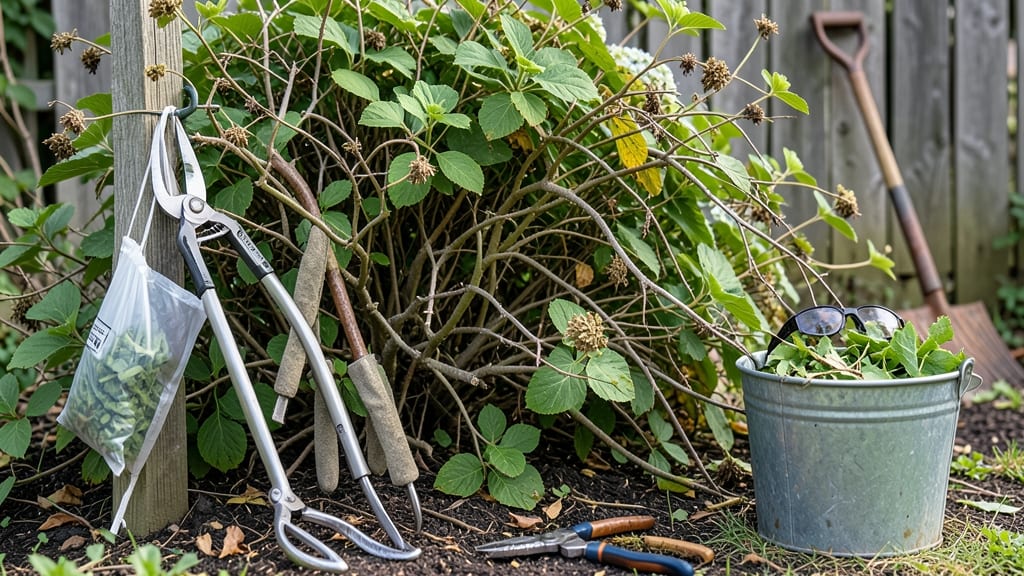
Removing overgrown shrubs doesn't have to be a battle—just the right approach. 🌿 I've wrestled with these stubborn plants for years, and I've learned that patience and the right tools make all the difference.
The goal isn't brute force; it's clean cuts that leave your yard looking intentional, not like a war zone.
Start with the basics: a sharp pruner for smaller branches, a handsaw or pruning saw for thicker stems, and heavy-duty gloves to protect your hands. You'll also want a wheelbarrow for debris and maybe a tarp to contain the mess.
Timing matters too—spring or early fall gives shrubs time to recover before winter stress sets in. And always check local regulations before disposal, especially if the shrub might be invasive.
What you'll end up with is a yard that feels lighter, more open, and easier to maintain. No more tangled vines or branches scraping against your house.
The key is working in sections, cutting just outside the branch collar, and always cutting at a slight angle to prevent water from pooling. You'll see the difference in how your yard looks—and how much easier it is to work with the remaining plants.
This method works for almost any shrub, from overgrown lilacs to wayward privet hedges. The only real variable is size—bigger shrubs might need a chainsaw, but the same principles apply. Once you've cleared the space, you can replant with something more manageable—or just enjoy the extra sunlight and breathing room.
📚 In This Guide
- What you need
- Instructions
- Tips and common mistakes
- Wrapping up and next steps
What you need
- ● Pruning shears or hand pruners – Choose bypass pruners (for clean cuts) or anvil pruners (for thicker branches). Look for sharp, bypass-style blades (4-6 inches) for precision.
- ● Loppers – For branches ½ to 1½ inches thick. Opt for bypass loppers with long handles (24-36 inches) for leverage.
- ● Pruning saw – A curved-tooth pruning saw (8-10 inches) for branches over 1½ inches thick. Avoid straight-tooth saws—they tear wood.
- ● Heavy-duty gloves – Garden gloves with reinforced palms (e.g., mechanized or cut-resistant) to protect against thorns and sharp edges.
- ● Safety glasses – ANSI-rated goggles to shield eyes from debris and sap.
- ● Long-sleeve shirt and pants – Wear closed-toe shoes and long sleeves/pants to avoid scratches and insect bites.
- ● Disposable pruning bags or buckets – 1-2 large bags or 5-gallon buckets to collect trimmings (or a wheelbarrow for heavy loads).
- ● Rake or leaf blower – A stiff-bristle rake (for small debris) or a leaf blower (for larger areas).
- ● Ladder or step stool – If shrubs are over 6 feet tall, use a stable, extendable ladder (never a chair!).
- ● Hose with nozzle – To clean tools and rinse sap off cuts (prevents disease).
- ● Rubbing alcohol or bleach solution – 70% isopropyl alcohol or a 1:10 bleach-water mix to sterilize tools between cuts (stops spread of bacteria/fungus).
- ● Marking spray or flags – Bright-colored spray paint or orange flags to mark branches for removal (helpful for large shrubs).
- ● Ear protection – If using a chainsaw (for very thick growth), wear earplugs or muffs.
Step-by-step instructions for removing overgrown shrubs
Here’s my foolproof method for tackling those wild, tangled shrubs—clean, safe, and with minimal regrowth.
✂️ Step 1: Gather the Right Tools and Prep the Area
Start with a sharp pruning saw for thick branches and loppers for medium stems—dull blades tear wood, making cleanup harder. Wear gloves and long sleeves to protect against thorns or sap. Clear the area of debris, stakes, or nearby plants you want to save. I like to lay down a tarp first—it catches falling branches and makes cleanup easier later.
Check the weather forecast. Prune on a dry, calm day—wet wood is slippery, and wind makes cleanup messy. If your shrub is particularly dense, I recommend wearing eye protection too. You’ll be surprised how many twigs fly when you start cutting.
✂️ Step 2: Cut Back in Stages to Avoid Shock
Never remove more than one-third of the shrub’s foliage at once—this prevents stress and encourages healthy regrowth. Start by cutting back last year’s growth first, making clean cuts just above a bud or outward-facing branch. I like to work in sections, removing smaller branches first to reduce weight on larger stems.
Use the three-cut method for thick branches: Make the first cut 2-3 inches away from the main stem, then a second cut just outside the branch collar (that swollen area where the branch meets the trunk). The final cut should remove the remaining stub. This prevents tearing and promotes faster healing.
🪴 Step 3: Remove or Prune the Remaining Stems
For shrubs you’re keeping, cut back overcrowded or crossing branches to improve airflow and sunlight penetration. Aim to leave an open center—this prevents disease and pests. If the shrub is severely overgrown, you can gradually reduce its size over a few years to avoid stressing it too much.
If you’re completely removing the shrub, dig around the base with a shovel to loosen roots before pulling. For stubborn roots, use a pry bar or garden fork to break them up. I’ve found that watering the area first softens the soil and makes removal easier. Wear sturdy shoes—roots can be sneaky and trip you up.
⏰ Step 4: Clean Up and Dispose of Debris
Rake up all cuttings and remove them from the garden immediately—leaving them behind can harbor pests or diseases. For large branches, chop them into smaller pieces with a pruning saw or wood chipper before composting or hauling away. I like to compost small trimmings, but avoid composting diseased wood.
Inspect the area for any remaining roots or stumps. If you’re keeping the shrub, mulch around the base with 2-3 inches of organic mulch to retain moisture and suppress weeds. For removed shrubs, fill the hole with topsoil and level it out. A quick watering helps settle everything in place.
🌱 Step 5: Monitor and Maintain for Healthy Regrowth
After pruning, keep an eye on the shrub for new growth within 2-4 weeks. If you see yellowing leaves or wilting, it might be stressed—water deeply but avoid overwatering. Fertilize lightly with a balanced, slow-release fertilizer to encourage recovery. I like to apply it in early spring for best results.
To prevent future overgrowth, prune regularly—twice a year is ideal. Schedule a light pruning in late winter to shape the shrub and a second pruning in early summer to control growth. This keeps your shrub looking tidy and healthy without the dreaded cleanup later.
Tips & tricks for perfect shrub pruning
These simple tricks will help you tackle even the wildest shrubs like a pro—without stressing the plant or yourself.
Tool Prep Matters: I can't stress enough how important sharp tools are—dull blades crush stems instead of cutting cleanly, which can damage the plant and make cleanup harder. Before you start, sharpen your pruning saw and loppers with a file or sharpening stone. For thick branches, I like to use a pruning saw with a curved blade—it gives me more leverage and cleaner cuts. And always clean your tools with rubbing alcohol between cuts on different plants to prevent spreading disease.
Three-Cut Method for Thick Branches: The three-cut method isn't just about clean cuts—it's about protecting your shrub's health. That first cut you make 2-3 inches away from the main stem creates a natural hinge. When you make the second cut just outside the branch collar, you're actually guiding the branch to fall away without tearing. This prevents the common mistake of leaving unsightly stubs that can rot. I've seen so many people skip this step and end up with shrubs that look like they've been attacked by a lawnmower!
Weather Window Wisdom: Timing your pruning isn't just about avoiding rain—it's about giving your shrub the best chance to recover. Late winter pruning (as mentioned in Step 5) helps stimulate new growth before the growing season kicks in. But if you're dealing with spring-flowering shrubs like lilacs, wait until after they bloom—cutting back too early removes next year's flowers. For summer pruning, aim for early morning when temperatures are cooler to reduce stress on the plant.
Cleanup Strategy: That tarp you lay down in Step 1 isn't just for convenience—it's a game changer for cleanup. I've found that using a heavy-duty contractor bag (the kind you can drag behind you) makes hauling away debris a breeze. For stubborn branches that won't break, I recommend using a pruning saw with a side-cutting blade—it gives you more control when making those final cuts. And here's a pro tip: if you're composting trimmings, chop them into 1-2 inch pieces first—they'll decompose much faster!
Pro Tips for Remove Overgrown Shrubs
- These simple tricks will help you tackle even the wildest shrubs like a pro—without stressing the plant or yourself.
- Tool Prep Matters: I can't stress enough how important sharp tools are—dull blades crush stems instead of cutting cleanly, which can damage the plant and make cleanup harder.
- Three-Cut Method for Thick Branches: The three-cut method isn't just about clean cuts—it's about protecting your shrub's health.
Frequently asked questions
Got questions about tackling those wild shrubs? You’re not alone!
Here are answers to the most common concerns—so you can clear the chaos with confidence.
What’s the best time of year to remove overgrown shrubs?
The ideal window is late winter or early spring (before new growth starts) or fall (after blooming season). Avoid summer—heat stress can harm nearby plants. If your shrubs are invasive or diseased, remove them anytime to prevent spread. Pro tip: Check local frost dates to time your project!
Can I just cut them down instead of digging them out?
Cutting alone often leaves stubborn roots behind, leading to regrowth. For small, non-invasive shrubs, repeated trimming (every 2–3 weeks) may work. For large or woody shrubs, dig out the roots or use a stump grinder. For tough cases, vinegar or herbicide (applied to cut stumps) can help kill remaining roots.
How do I dispose of the shrub debris safely?
Bag and trash small clippings, but never compost diseased or invasive shrubs (like English ivy or bamboo). For large branches, check local regulations—some areas offer curbside yard waste pickup. Rent a chipper for bulky debris, or donate it to community gardens (if pesticide-free). Wear gloves to avoid thorns or sap!
What’s the fastest way to remove shrubs without a chainsaw?
Skip the chainsaw! Use a pruning saw for thick stems or a sharp shovel to sever roots in sections. For stubborn growth, a handsaw or reciprocating saw works well. Work in small sections to avoid exhaustion—focus on one shrub at a time. Rent heavy-duty tools if needed!
Will removing shrubs hurt my yard’s ecosystem?
Not if done right! Native shrubs support wildlife—leave some for birds and pollinators. If removing invasives (like burning bush or privet), replace with native alternatives. Mulch the area after removal to protect soil health. Always check for local wildlife habitats before clearing.
What if my shrub keeps growing back after cutting?
Persistent regrowth usually means roots are still alive. Re-cut the stump 1–2 inches below ground level, then treat with copper sulfate or a commercial root killer. For deep roots, dig further or use a root saw. Monitor for 3–6 months—new sprouts mean more work is needed!
Wrapping up and next steps
Removing overgrown shrubs doesn’t have to be a daunting task—with the right tools, techniques, and safety precautions, you can transform your yard into a well-maintained, thriving space.
Whether you’re pruning for health, aesthetics, or safety, every clean cut brings your shrubs one step closer to stronger, more vibrant growth. 🌿
Now that you’re equipped with the know-how, roll up your sleeves and tackle that project with confidence! Start small if needed, and celebrate each step—your future self (and your shrubs) will thank you. Ready to plan your next landscaping adventure?