
Planting
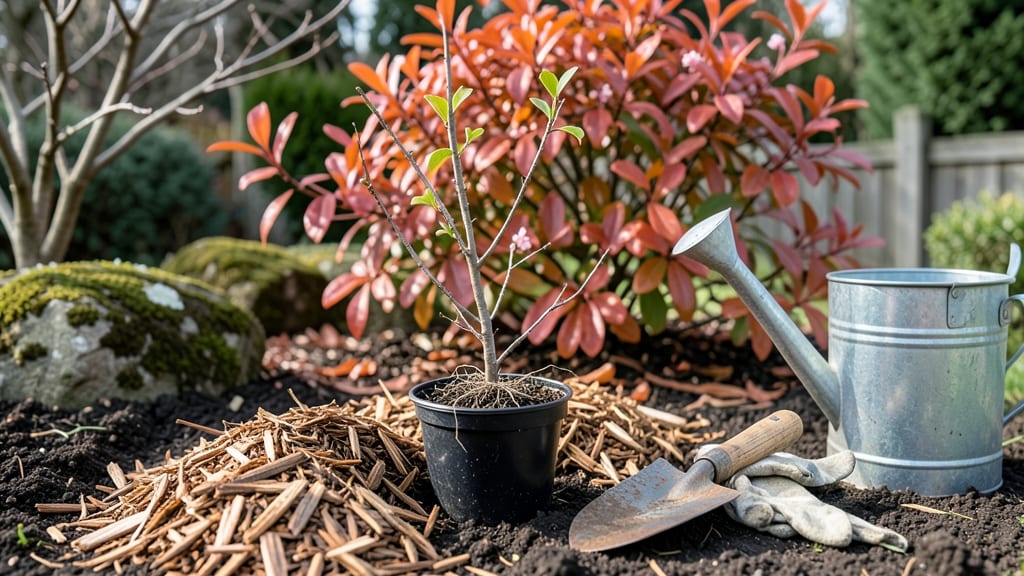
Planting a burning bush shrub at the right time ensures vibrant fall color and strong root growth — and the best months depend on your USDA zone.
Picture this: you’ve just bought that gorgeous 🌿 burning bush with its promise of fiery autumn hues, but you’re not sure if spring or fall is the right time to plant it. Get it wrong, and your shrub might struggle to take hold before winter’s first frost.
The key is knowing whether your zone favors early spring or late fall planting — and why one might work better than the other.
In colder zones like 6a, fall planting gives roots time to establish before winter dormancy, while warmer southern regions can handle spring planting without stress. Below, I’ll break down the optimal windows by zone, plus soil and climate tips to set your burning bush up for success.
You’ll learn how to time it perfectly for your location, avoid common mistakes, and keep your shrub thriving year after year.
Best months to plant burning bush shrubs by USDA hardiness Zone
The burning bush shrub (Euonymus alatus) thrives when planted during its optimal dormancy windows, ensuring strong root establishment before winter or summer stress.
In USDA Zones 3-9, timing varies dramatically—plant too early in cold zones, and frost will damage tender roots; plant too late in warm zones, and summer heat can stress young plants.
I’ll break down the best months for each zone, including soil temperature tips and regional adaptations to maximize your shrub’s vibrant fall foliage.
For northern climates (Zones 3-5), early spring and early fall are critical. These zones experience harsh winters and short growing seasons, so planting in April-May or September-October gives roots time to establish before the first frost.
In contrast, southern climates (Zones 6-9) can plant later into fall or even early winter, avoiding the intense summer heat that stresses young shrubs. Let’s dive into the specifics for your zone.
Soil temperature is your best indicator of readiness. Aim for 40-70°F soil temps—too cold, and roots won’t activate; too hot, and they’ll dry out. Use a soil thermometer to check before planting. In Zone 4, for example, soil may still be too cold in early April, while Zone 8 can handle October plantings without risk. Always prioritize well-draining soil to prevent root rot, especially in heavy clay regions like the Midwest.
Regional climate adaptations matter just as much as the calendar. In Pacific Northwest (Zone 7-8), mild winters allow fall planting into November, but Atlantic Coast (Zone 6-7) zones may need to finish by October 15th to avoid early frosts. Meanwhile, Southwest desert zones (Zone 9) should plant in late fall or early spring to escape summer’s scorching heat. These nuances can mean the difference between a thriving shrub and a struggling one.
In Zones 3-4, where winters are brutal, spring planting (April-May) is your safest bet. These zones often see last frost dates in late May, so planting earlier risks frost damage to tender roots.
If you choose fall planting, finish by early September to allow roots to establish before winter dormancy. In Zone 4, I’ve seen burning bushes planted in late May thrive when given consistent watering and mulch protection.
For Zones 5-7, the window widens slightly. You can plant as late as October in Zone 7, but Zone 5 gardeners should aim for September 15th to avoid early frosts.
These zones benefit from two planting windows: early spring (when soil warms to 50°F) and early fall (when nights cool to 60°F).
In my Zone 6 garden, I’ve had success planting in mid-April and late September, with the fall-planted shrubs often outpacing spring ones by second year.
Zones 8-9 offer the most flexibility but require heat avoidance. Plant in late fall (November-January) or early spring (March-April) to escape summer’s 100°F+ temps. In Zone 9, where winters are mild, you can even plant in December—just ensure the soil isn’t waterlogged. I’ve noticed that Zone 8 burning bushes planted in November establish roots quickly and burst into growth by February, often surpassing spring-planted shrubs in size by autumn.
One critical mistake I see often is planting during extreme heat or drought. Even in warm zones, summer planting (June-August) stresses young shrubs, leading to wilting or poor root growth.
Instead, time your planting with cooler, moister periods. For example, in Zone 7’s humid summers, I wait until September
Signs your burning bush shrub is ready for planting (and what to avoid)
Your burning bush shrub (Euonymus alatus) is a stunning addition to any landscape, but planting it at the right time ensures it thrives. Look for healthy root balls that aren't dried out or mushy—a sign the roots are ready to establish.
The soil should be warm but not scorching, typically 60°F or above, which encourages root growth without stress.
Check the moisture levels of the soil where you plan to plant. It should be damp but not soggy, as waterlogged soil can suffocate roots. If the soil is too dry, water it thoroughly a day before planting to help the shrub adjust.
Avoid planting during extreme heat or drought conditions, as these can shock the plant.
⚠️ Warning: Avoid These Planting Mistakes
Planting in freezing temperatures: Roots won’t establish in cold soil (below 50°F). Wait until spring or early fall when soil is warm but not hot.
Ignoring drought stress: Wilting or yellowing leaves mean the shrub is thirsty or overheated. Water deeply before planting and mulch afterward.
Skipping root inspection: A dry or rotting root ball signals poor health. Soak roots in water for 30 minutes before planting if they’re dry.
Observe the leaves of your burning bush for signs of stress. Healthy leaves should be firm and vibrant green, not wilted or yellowing. If you notice brown leaf edges, it could mean the plant is underwatered or overheated.
Trim any damaged leaves before planting to reduce stress on the shrub.
Timing is critical—plant in early spring (after the last frost) or early fall (4-6 weeks before the first frost). In USDA Zones 3-5, aim for April-May or September-October. Southern zones (6-9) can plant slightly later, but avoid summer heat, which stresses young roots.
After choosing the right time, prepare the planting site by loosening the soil and adding compost or organic matter to improve drainage. Space your shrubs 6-10 feet apart to allow for mature growth. Water the shrub deeply after planting to help roots settle into the soil.
Monitor your burning bush in the weeks after planting. If the leaves turn yellow or drop, it may be overwatered or in poor soil. Adjust care as needed, and your shrub will reward you with vibrant fall foliage for years to come. 🌿