
Size
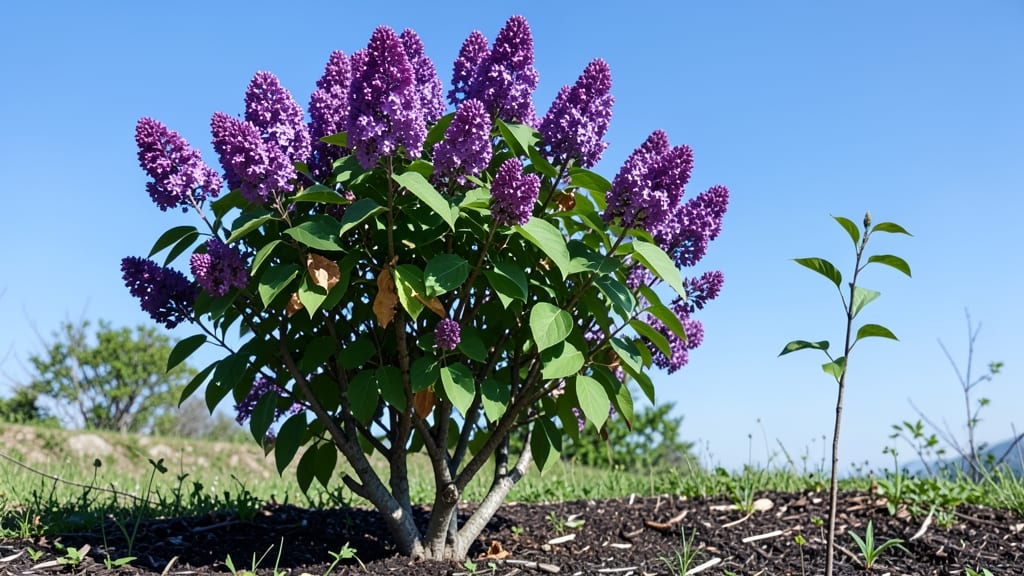
How fast do lilac shrubs grow? They typically add 12 to 24 inches annually under ideal conditions, though dwarf varieties may grow just 6 to 12 inches per year. Growth slows significantly after the first 5–10 years, with mature shrubs reaching 6 to 15 feet tall depending on the cultivar.
Lilacs are known for their steady, predictable growth—something gardeners love when planning long-term landscapes. 🌸 The key to faster growth lies in their first decade, where proper sunlight (at least 6 hours daily) and well-draining soil with a slightly alkaline pH (6.5–7.5) make all the difference.
For example, 'Katherine Haviland' can shoot up 2 feet per year in perfect conditions, while 'Dwarf Korean' stays compact but still adds 6 inches annually reliably.
After the initial growth spurt, lilacs mature into woody shrubs with slower expansion—this is normal and doesn't mean they're unhealthy. The trade-off? Their fragrant blooms become more abundant over time, making the wait worthwhile for many gardeners.
💡 In This Article
- Lilac Growth Rates by Common Varieties
- Tips to Maximize Lilac Shrub Growth Speed
Lilac growth rates by common varieties
The growth rate of lilac shrubs varies dramatically between cultivars, with some reaching maturity in just 5 years while others take 10-15 years to fully develop. Take 'Katherine Haviland', a popular hybrid, which averages 18-24 inches annually during its first decade—about the height of a standard baseball bat.
This rapid growth makes it a favorite for quick privacy screens. In contrast, 'Dwarf Korean' lilacs grow just 6-12 inches per year, staying under 3 feet tall even after 15 years, perfect for container gardening.
Climate plays a crucial role in these growth rates. Lilacs thrive in USDA zones 3-7, where they receive 4-6 hours of sunlight daily. In cooler northern climates (like zone 4), 'Mme.
Lemoine' may grow 12-18 inches annually due to longer growing seasons, while in warmer southern zones (zone 7), the same variety might only add 8-12 inches due to summer heat stress. Soil moisture also matters—well-draining soil prevents root rot, while waterlogged conditions can stunt growth by up to 30%.
What most gardeners don't realize is that lilacs reach 50% of their mature height within their first 3-5 years. For example, 'Common Lilac' (Syringa vulgaris) can hit 6 feet tall by year 5, then slow to 6-12 inches annually afterward.
This growth pattern explains why many gardeners see dramatic height changes in early years but minimal gains later. The trade-off? Mature shrubs produce 2-3 times more flowers than young plants, making the slower growth worthwhile for fragrance lovers.
Soil composition affects growth speed too. Lilacs prefer slightly alkaline soil (pH 6.5-7.5) with good organic matter. In ideal conditions, 'Bloomerang Lilac' can grow 2 feet per year for the first 5 years, then stabilize at 10-12 feet tall.
However, in poor soil, the same variety might only reach 6-8 feet after 10 years. This explains why some gardeners see wildly different growth rates in their neighborhoods—even with the same cultivar.
Here's a quick comparison of popular varieties:
- 'Katherine Haviland': 18-24 inches/year (first 10 years), 10-12 feet mature height
- 'Mme. Lemoine': 12-18 inches/year (first 8 years), 8-10 feet mature height
- 'Dwarf Korean': 6-12 inches/year (consistent), 3-4 feet mature height
- 'Bloomerang Lilac': 24 inches/year (first 5 years), 10-12 feet mature height
The key takeaway? Fast growth in early years doesn't guarantee a larger mature plant—it's all about the cultivar's genetic potential and growing conditions. With proper care, even slower-growing varieties like 'Dwarf Korean' can thrive for decades with minimal maintenance. 🌿