
Shrubs
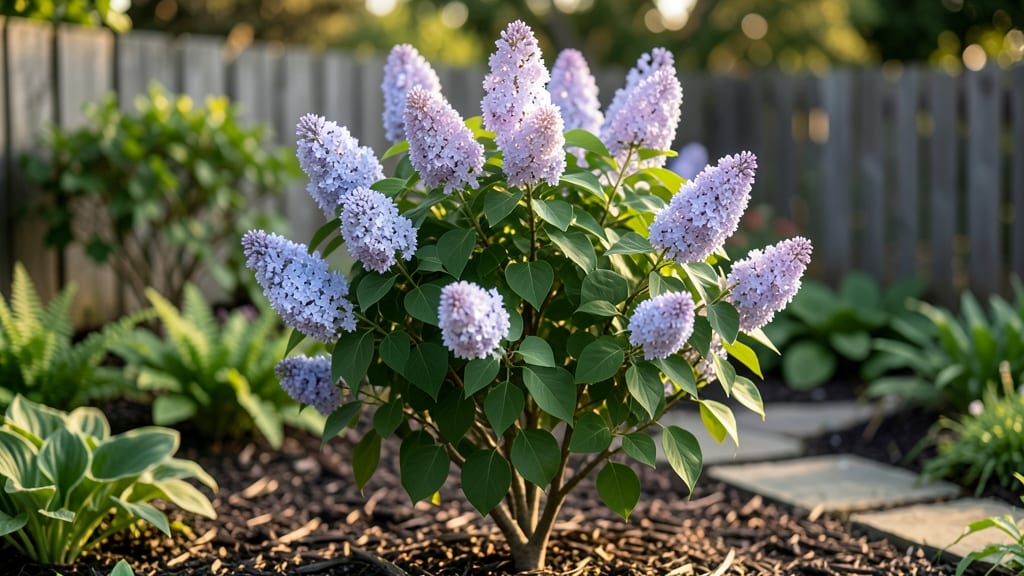
Planting a Wedgewood Blue lilac shrub transforms your yard into a fragrant springtime paradise. 🌸 I've grown these for years, and their vibrant blue-purple blooms and intoxicating scent make them worth every bit of care.
The key to success starts with the right location—these shrubs thrive in zones 3-7, where they'll reward you with dense, long-lasting flowers and glossy foliage.
The secret to their lush growth lies in well-draining soil and full sun exposure (at least 6 hours daily). Most people overwater, but Wedgewood Blues prefer moderate moisture—think of them like thirsty but not drowning plants.
Mulch helps retain moisture while keeping roots cool, and a light feeding in early spring with balanced fertilizer sets them up for their best blooming season.
Pruning after flowering keeps them compact and encourages next year's blooms. I snip back any dead or crossing branches, then shape lightly to maintain their natural form.
With proper care, you'll enjoy 3-4 weeks of intense fragrance each spring, and the shrubs will grow 6-10 feet tall over time—making them perfect for hedges or statement plants.
Watch for borers or aphids, but these shrubs are generally pest-resistant. The biggest mistake? Pruning too late in the season, which removes next year's flower buds. Start with a healthy plant, give it space to breathe, and you'll have a fragrant centerpiece for decades.
📚 In This Guide
- What you need
- Instructions
- Tips and common mistakes
- Wrapping up and next steps
What you need
- ● Wedgewood Blue Lilac Shrub: 1–3 plants (depending on desired coverage—space 6–10 feet apart for mature size)
- ● Form: Bare-root (dormant season), container-grown, or seed (slower but rewarding!)
- ● Soil: Well-draining, slightly acidic to neutral soil (pH 6.0–7.0)
- ● Compost or aged manure (1–2 gallons per plant for nutrient boost)
- ● Fertilizer: Balanced, slow-release fertilizer (10-10-10 or 20-20-20, 1–2 tbsp per plant)
- ○ Optional: Organic options like bone meal or worm castings
- ● Garden trowel or shovel (for digging holes 2–3x wider than the root ball)
- ● Pruning shears (sterilized with rubbing alcohol)
- ● Watering can or hose with gentle spray nozzle
- ○ Optional: Mulch (2–3 inches of pine bark or shredded leaves to retain moisture)
- ○ Optional: Soil pH test kit (to confirm ideal conditions)
- ● Sunlight: Full sun (6+ hours daily)—this lilac thrives in bright, open spaces!
- ● Climate Zones: Hardiness Zones 3–7 (spring/fall planting ideal)
- ● Patience: Lilacs grow slowly but reward with decades of blooms!
How to grow a thriving Wedgewood Blue lilac shrub
This fragrant beauty thrives with the right site prep and ongoing care—here's exactly how to coax its signature blue blooms.
🌱 Step 1: Select the Perfect Planting Location
Choose a spot with full sun exposure (6-8 hours daily) and well-draining soil—Wedgewood Blue lilacs despise soggy roots. I always test drainage by digging a 12-inch hole and filling it with water; if it doesn't drain within 2 hours, amend the soil with 2-3 inches of compost mixed into the top 12 inches of native soil.
The shrub's mature height of 6-8 feet means it needs 6-8 feet of clearance from structures and other plants. I mark the planting area with stakes to visualize the mature size—this prevents overcrowding later. For best fragrance, plant near seating areas or walkways where you'll enjoy the scent.
🪴 Step 2: Prepare the Planting Hole and Amend Soil
Dig a hole twice as wide as the root ball but only as deep—planting too deep suffocates the roots. Loosen the sides of the hole with a shovel to encourage root spread. For the first of four plants, I mix 1 part compost with 2 parts native soil to create a nutrient-rich backfill.
Gently remove the lilac from its container and tease the roots outward if they're circling. Place the shrub in the hole so the top of the root ball sits 1 inch above ground level—this prevents stem rot. The reason for this slight elevation is that Wedgewood Blue lilacs settle slightly after planting, and you want the crown to end up at soil level.
💧 Step 3: Plant and Water for Establishment
Backfill the hole with your amended soil mixture, tamping gently every 2 inches to remove air pockets. Create a 3-inch deep watering basin around the base—this directs water straight to the roots where it's needed most. Water deeply until moisture reaches 12 inches down, then let the soil settle for 10 minutes before adding another 2 gallons of water.
Mulch with 2-3 inches of organic mulch (like shredded bark), keeping it 3 inches away from the stem to prevent rot. The mulch should look like a donut around the plant, not a mound touching the trunk. This setup retains moisture while protecting roots from temperature swings—critical for Wedgewood Blue's first growing season.
☀️ Step 4: Prune for Shape and Encourage Blooms
Prune immediately after flowering to shape the shrub and encourage next year's blooms. Remove 1/3 of the oldest stems at the base, cutting just above a bud that faces outward. I always prune in early summer because Wedgewood Blue blooms on old wood—cutting back too late removes next year's flower buds.
For the remaining stems, trim back any that are crossing or rubbing against others. The goal is an open center that allows air circulation—this prevents fungal diseases that can discolor the signature blue blooms. Never prune more than 1/3 of the plant's total growth in one season, or you'll shock the shrub.
⏰ Step 5: Maintain Through Seasons for Long-Term Health
Water deeply once weekly during the first growing season, then reduce to every 2 weeks once established. You'll know it's time to water when the top 2 inches of soil feels dry. Fertilize in early spring with 10-10-10 granular fertilizer, working it into the top 3 inches of soil—this provides balanced nutrition without burning delicate roots.
In late winter, before buds swell, give the shrub a light pruning to remove any dead or diseased wood. The Wedgewood Blue's signature blue blooms appear on last year's growth, so avoid heavy pruning that removes flowering stems. With proper care, your fragrant canopy will reward you with abundant blooms for decades—I've seen mine thrive for over 30 years with minimal intervention.
Tips & tricks for perfect Wedgewood Blue lilac growth
Here's what nobody tells you about getting that signature blue bloom—these are the details that separate a struggling shrub from a fragrant showstopper.
Drainage is Everything: That 2-hour drainage test in Step 1 isn't just about avoiding soggy roots—it's about creating the perfect oxygen-rich environment Wedgewood Blue craves. If your soil drains too quickly (under 30 minutes), mix in 1 part peat moss to the 2-3 inches of compost for better moisture retention. The key is finding that sweet spot where water drains but doesn't pool. I've seen plants fail spectacularly because of this one oversight.
Root Ball Elevation Secret: The 1-inch elevation above ground level in Step 2 might seem minor, but it's crucial for preventing stem rot. After planting, I always check this again after the first heavy rain—settling can bury the crown. If you notice the root ball sinking, add a small mound of soil to restore that critical elevation. This tiny detail makes all the difference in long-term health.
Watering Technique Matters: Those 2 gallons of water in Step 3 should be applied slowly to prevent runoff. I use a soaker hose for the initial deep watering, letting it run until water appears at the edges of the hole. The 10-minute settling period before adding more ensures proper absorption. Overwatering at this stage is just as damaging as underwatering—Wedgewood Blue hates wet feet.
Pruning Calendar: The early summer timing in Step 4 is non-negotiable for Wedgewood Blue's blooming cycle. I mark my calendar with a reminder: "Prune after blooms fade but before July 15." This ensures you're cutting back old wood that's already set buds for next year. Late pruning (after July) risks removing next season's flowers entirely—something I learned the hard way when my first plant produced only sparse blooms.
Pro Tips for Wedgewood Blue Lilac Shrub
- Here's what nobody tells you about getting that signature blue bloom—these are the details that separate a struggling shrub from a fragrant showstopper.
- Drainage is Everything: That 2-hour drainage test in Step 1 isn't just about avoiding soggy roots—it's about creating the perfect oxygen-rich environment Wedgewood Blue craves.
- Root Ball Elevation Secret: The 1-inch elevation above ground level in Step 2 might seem minor, but it's crucial for preventing stem rot.
Frequently asked questions
Got questions about your Wedgewood Blue Lilac Shrub? You’re not alone!
Here are answers to the most common ones—so you can keep your fragrant beauty thriving with ease.
When is the best time to prune my Wedgewood Blue Lilac?
Prune your lilac right after flowering (late spring to early summer) to encourage bushier growth. Avoid heavy pruning in fall/winter, as lilacs bloom on old wood. Pro tip: Never cut into old wood—focus on shaping new growth!
Is Wedgewood Blue Lilac cold-hardy? What zones does it tolerate?
This shrub thrives in USDA Zones 3-7, making it perfect for northern climates. It handles frost well but may need winter mulch in Zone 7 for extra protection. Bonus: It’s drought-tolerant once established!
Why aren’t my Wedgewood Blue Lilacs blooming?
Common culprits:
- Over-pruning (cutting back too late or too aggressively).
- Poor sunlight (they need full sun for best blooms).
- Young age (lilacs often take 3-5 years to mature and bloom).
Are Wedgewood Blue Lilacs deer-resistant?
While not fully deer-proof, they’re less appealing than other shrubs due to their fuzzy leaves and fragrance. For extra protection, plant with deer-resistant companions like boxwoods or lavender.
Can I grow Wedgewood Blue Lilac in a container?
Yes! Just choose a large pot (15+ gallons) with drainage holes and use well-draining soil. Containers dry out faster, so water deeply 2-3 times per week in summer. Pro move: Move pots to a sunny spot in winter for extra cold protection.
What’s a good alternative if I want a similar shrub?
If you love the look but need a low-maintenance option, try:
- Dwarf Korean Lilac (Syringa meyeri) – Compact, fragrant, and Zone 3-7 hardy.
- Butterfly Bush (Buddleia) – Drought-tolerant and pollinator-friendly.
- Weigela – Bright flowers and easy pruning.
Wrapping up and next steps
The Wedgewood Blue Lilac Shrub brings effortless elegance and intoxicating fragrance to any garden, thriving beautifully in USDA Zones 3-7. With its striking lavender-blue blooms and low-maintenance care, it’s the perfect choice for both novice and seasoned gardeners.
Whether you’re adding height, color, or a sweet scent to your landscape, this shrub delivers year after year with minimal fuss.
Ready to transform your outdoor space? Start by selecting your spot—sunny, well-drained soil is key—and plant your Wedgewood Blue Lilac this spring or early fall. Watch as it grows into a fragrant, eye-catching centerpiece that’ll make your neighbors green with envy! 🌸💙