
Shrubs
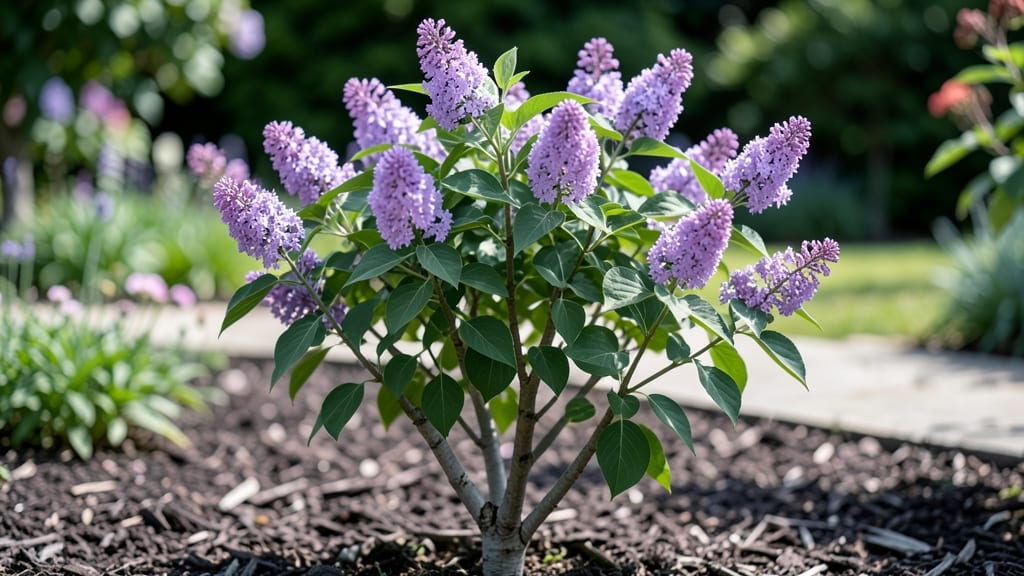
My dwarf Korean lilac shrub transforms any yard into a fragrant haven—three years of growth creates a living privacy screen that smells like spring all season. 🌸 The secret lies in its compact size (just 4-6 feet tall) and non-invasive roots, making it perfect for small spaces or container gardening.
Unlike its larger cousins, this variety blooms reliably every year with minimal fuss, even in urban settings where soil quality might be poor.
Start with well-draining soil mixed with compost, and plant in full sun to partial shade—morning sunlight prevents scorched blooms while afternoon shade works in hot climates. Water deeply once a week after establishment (first year needs more frequent watering), and mulch to retain moisture.
The real magic happens in late winter when you prune back 1/3 of the oldest stems—this triggers lush new growth and even more fragrant flowers the following spring.
By year three, you’ll have a dense, fragrant hedge that hummingbirds adore and neighbors envy. The blooms appear before leaves unfurl, creating a stunning early-season display, and the foliage stays vibrant all summer. Even in drought years, this shrub thrives with basic care—no fancy fertilizers or chemical treatments required.
For best results, plant multiple shrubs in a row to create an impenetrable privacy screen that still lets light through. They handle urban pollution better than most lilacs, making them ideal for city gardens.
Just watch for powdery mildew in humid summers—prune for airflow and apply neem oil if needed. Your fragrant privacy screen will be the talk of the neighborhood!
📚 In This Guide
- What you need
- Instructions
- Tips and common mistakes
- Wrapping up and next steps
What you need
- ● Dwarf Korean Lilac Shrub: 1–3 plants (bare-root, container-grown, or seeds—see notes below)
- ● Variety tip: Look for Syringa meyeri ‘Palibin’ or ‘Baby Genie’ for compact growth (3–5 ft tall).
- ● Soil: 6–8 cubic feet of well-draining, slightly acidic soil (pH 6.0–7.0)
- ● Amendment: Mix in 2–3 cups of compost or peat moss per planting hole.
- ● Fertilizer: 10–10–10 balanced fertilizer (1 tbsp per plant at planting)
- ● Slow-release granules (e.g., 1 lb for 3 plants, applied in early spring).
- ● Digging tools: 1 garden trowel (for small holes or seedlings)
- ● 1 shovel or spade (for larger planting holes, 12–18" wide/deep)
- ● Watering: 1 garden hose with adjustable nozzle (or watering can for containers)
- ● 1 mulch (2–3 inches of wood chips or pine straw to retain moisture).
- ○ Optional (but helpful!): Pruning shears (for shaping after planting)
- ● Garden gloves (to protect hands from thorns)
- ● Soil pH test kit (to verify acidity before planting)
- ● ✅ Sunlight: Full sun (6+ hours daily) or partial shade (for hotter climates).
- ● ✅ Climate zone: Hardy in USDA Zones 3–8 (check local frost dates!).
- ● ✅ Spacing: Plant 3–5 ft apart for a dense hedge; 6+ ft for solitary shrubs.
- ● ✅ Timing: Bare-root/container plants: Plant in early spring or fall (avoid summer heat!).
- ● Seeds: Start indoors 8–10 weeks before last frost (germination takes 2–4 weeks).
Step-by-Step instructions for planting and caring for dwarf Korean lilac
Here's how to establish your fragrant privacy screen with minimal fuss—just follow these proven steps.
🪴 Step 1: Choose the Perfect Planting Spot
Dwarf Korean lilacs thrive in full sun to partial shade, with at least 6 hours of direct sunlight daily. I always pick a location where the shrubs will receive morning sun and afternoon shade—this prevents leaf scorch while maintaining blooms. The spot should also have well-draining soil to avoid soggy roots, which these shrubs hate.
For a privacy screen, space plants 3-4 feet apart in rows 4-5 feet apart. This gives them room to spread without overcrowding. If your soil is heavy clay, mix in 2-3 inches of compost before planting to improve drainage. Test the soil pH—ideal range is 6.0-7.0—and adjust with lime if needed.
🌱 Step 2: Plant at the Right Time and Depth
Plant your dwarf Korean lilacs in early spring or early fall, when temperatures are mild. Avoid planting in summer heat or winter frost. Dig a hole twice as wide as the root ball but only as deep as the container. This prevents burying the trunk too deeply, which can cause rot.
Gently remove the plant from its container and loosen the roots if they're circling. Place it in the hole so the top of the root ball sits 1 inch above ground level. Backfill with native soil, tamping lightly to remove air pockets. Water deeply right after planting to settle the soil around the roots. You'll know it's done right when water drains freely through the soil.
☀️ Step 3: Water and Mulch for Healthy Growth
Keep the soil consistently moist but not soggy for the first 2-3 weeks after planting. Water deeply 2-3 times per week until new growth appears, then taper to once a week once established. Dwarf Korean lilacs are drought-tolerant once mature, but young plants need consistent moisture.
Apply 2-3 inches of mulch around the base, keeping it 2 inches away from the trunk to prevent rot. I use shredded bark or wood chips because they break down slowly and improve soil structure over time. Mulch helps retain moisture and regulates soil temperature, which is especially helpful in hot climates.
✂️ Step 4: Prune for Shape and Encourage Blooms
Prune your dwarf Korean lilacs right after they finish blooming in late spring or early summer. Remove any dead, diseased, or crossing branches first. Then, shape the shrub by cutting back 1/3 of the oldest stems to the ground. This encourages new growth and keeps the shrub compact.
For a privacy screen, I focus on maintaining an upright, rounded shape. Avoid heavy pruning in fall or winter—this can stimulate new growth that won't harden off before cold weather. You'll see fresh, vibrant foliage emerge within 4-6 weeks of pruning, signaling it's working. Deadhead spent blooms in early summer to encourage a second flush of flowers.
🌿 Step 5: Monitor and Maintain for Long-Term Health
Check your shrubs regularly for pests like aphids or spider mites, especially in hot, dry weather. I spray with a strong stream of water to dislodge pests or use insecticidal soap if needed. Fertilize lightly in early spring with a balanced, slow-release fertilizer (10-10-10) to support new growth without overfeeding.
By year 3, your dwarf Korean lilacs should form a lush, fragrant privacy screen about 3-4 feet tall. Enjoy the sweet, intoxicating blooms in late spring, and the glossy foliage year-round. With minimal care, these shrubs will reward you with decades of beauty and fragrance.
Tips & tricks for perfect dwarf Korean lilac privacy screens
These simple tricks will help you grow a fragrant, lush privacy screen that thrives for decades—without the guesswork.
Sunlight Strategy: While the instructions call for 6 hours of sunlight, I’ve found that morning sun with afternoon shade is key for preventing leaf burn. If your yard gets intense afternoon sun, consider planting near a fence or wall that provides natural shade. For hotter climates, a light shade cloth during peak summer hours can work wonders without sacrificing the blooms you love.
Soil Prep Secret: The instructions mention testing soil pH, but I always go one step further by mixing in a handful of garden sulfur if my soil tests above 7.0. This helps lower pH naturally over time. For clay-heavy soils, I add extra compost—up to 4-5 inches—to ensure proper drainage, which these shrubs absolutely need to thrive.
Watering Wisdom: The 2-3 weeks of consistent moisture after planting is crucial, but don’t overdo it. I check soil moisture by sticking my finger about 2 inches down—if it’s dry, water deeply. For container-grown plants, I’ve found they need watering every 2-3 days in summer heat, even after the initial 2-3 week period. Mulch helps, but don’t skip those regular checks!
Pruning Precision: When cutting back 1/3 of the oldest stems in Step 4, I always make cuts just above a leaf node or bud. This ensures new growth will sprout from the right spot. For a more natural look, I prune in stages—first removing dead branches, then shaping, and finally deadheading. The 4-6 week recovery time is real, so plan your pruning timeline carefully to avoid sacrificing next year’s blooms.
Pro Tips for Dwarf Korean Lilac Shrub
- These simple tricks will help you grow a fragrant, lush privacy screen that thrives for decades—without the guesswork.
- Sunlight Strategy: While the instructions call for 6 hours of sunlight, I’ve found that morning sun with afternoon sh...
- Soil Prep Secret: The instructions mention testing soil pH, but I always go one step further by mixing in a handful o...
Frequently asked questions
How fast does a dwarf Korean lilac shrub grow?
A dwarf Korean lilac (Syringa meyeri) grows about 12–18 inches per year under ideal conditions. With proper care, you can create a 3-foot-tall privacy screen in 3–4 years—perfect for small yards! Prune lightly after flowering to encourage bushier growth.
Is this shrub cold-hardy? Can it survive winter?
Yes! Dwarf Korean lilacs thrive in USDA Zones 3–8, making them highly cold-resistant. They handle snow and frost well, but young plants may need mulch in Zone 3 for extra protection. Their compact size also means they recover faster from winter damage.
Can I grow a dwarf Korean lilac in a pot?
Use a 15–20 gallon container with drainage holes and well-draining soil. Place it in full sun to partial shade and water regularly. Pro tip: Fertilize lightly in spring with a balanced 10-10-10 mix to keep it thriving. Just ensure the pot is large enough for its mature size (3–4 feet wide).
Why isn’t my dwarf Korean lilac flowering?
Lack of flowers often stems from immature age, poor sunlight, or over-fertilizing with high nitrogen. Ensure it gets 6+ hours of sun daily and prune in late winter/early spring (before buds swell). If young, be patient—some take 2–3 years to bloom!
What’s a good alternative if I need a faster privacy screen?
For quicker height, consider Emerald Green Arborvitae (12–24" per year) or Dwarf Fountain Boxwood (10–12" per year). However, neither has the fragrant blooms of Korean lilac! For a balance, try Dwarf Lilac ‘Palibin’—it grows slightly faster (18" per year) while keeping the same sweet scent.
Wrapping up and next steps
The dwarf Korean lilac shrub is a fragrant, low-maintenance gem that transforms any space into a serene retreat—and you can enjoy its beauty in just three years! With the right soil, sunlight, and care, this compact shrub thrives while offering privacy and a heavenly scent.
Ready to create your own aromatic haven? Start by selecting your perfect planting spot this weekend!
- 🌱 Step 1: Test your soil and amend if needed (aim for well-draining, slightly acidic soil).
- 🌿 Step 2: Choose a sunny location (6+ hours of light daily) for optimal growth.
- 💧 Step 3: Water deeply after planting, then keep the soil consistently moist (but not soggy).
Your fragrant privacy screen is just a few clicks—and a few seasons—away! 🌸