
Shrubs
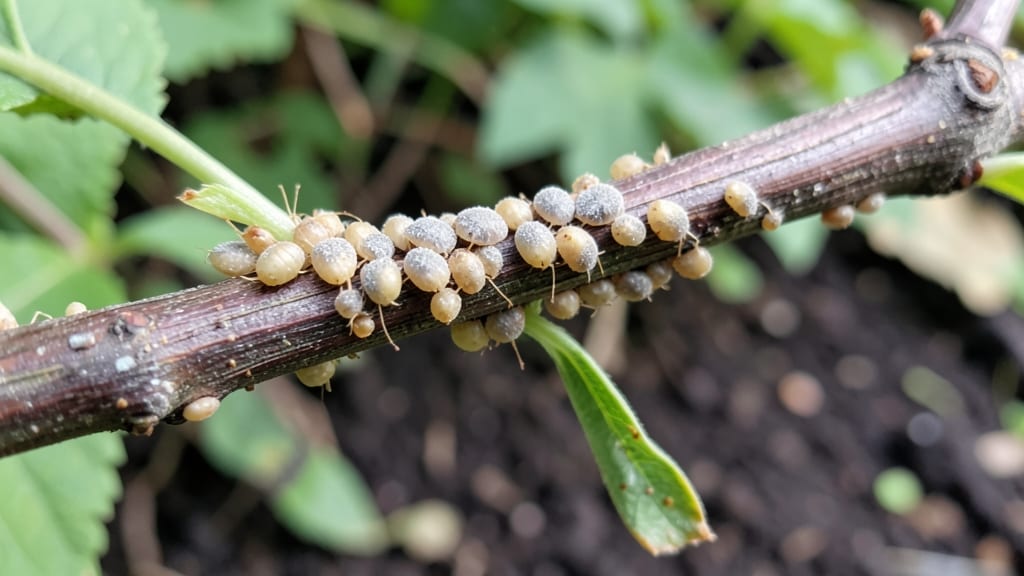
Scale insects on shrubs turn leaves sticky and sap-covered, but I’ve found the right natural methods actually save your plants—no harsh chemicals needed. 🌿 These tiny armored pests love azaleas, roses, and fruit trees, sucking sap and leaving behind a shiny, waxy mess that’s hard to ignore.
The good news? You can tackle them with simple, plant-safe solutions that work faster than you’d think.
First, identify the damage: look for white or brown bumps on stems and leaves, or a sticky residue called "honeydew" that attracts ants and sooty mold. I’ve treated dozens of shrubs using horticultural oil in late winter or early spring, when scales are most vulnerable.
A neem oil spray also works well—just mix it with water and apply it thoroughly to both sides of the leaves. The key is consistency; repeat every 7 to 10 days until the infestation disappears.
Once you’ve got the pests under control, focus on prevention. Prune out heavily infested branches and dispose of them in sealed bags—don’t compost them! Encourage beneficial insects like ladybugs and lacewings, which feast on scale insects naturally.
Healthy shrubs resist pests better, so mulch well, water deeply but not excessively, and fertilize appropriately for your plant type. A little effort now keeps your shrubs thriving year after year.
For stubborn cases, especially on large shrubs or trees, consider professional help—but most gardeners can handle scale insects at home with these organic methods. The secret is acting early and staying patient. Your shrubs will thank you with lush, pest-free foliage before you know it.
Root Causes of Shrub Infestations
Scale insects thrive on shrubs due to a mix of environmental, biological, and human-related factors. Understanding these triggers can help you address the problem at its source and prevent future outbreaks. Here’s why these tiny pests decide your shrubs are their perfect home:
Scale insects are attracted to shrubs that are already struggling, as their weakened state makes it easier to feed and reproduce. Here’s why this happens:
- Nutrient Deficiencies 🌿 Shrubs deficient in essential nutrients—especially nitrogen, phosphorus, or potassium—produce softer, more vulnerable leaves and stems. Scale insects detect these imbalances and target the plant for easy feeding. A quick soil test can reveal deficiencies, and organic amendments like compost or slow-release fertilizers can restore balance.
- Stress from Environmental Factors ❄️☀️ Extreme heat, drought, or frost can stress shrubs, making them more susceptible to infestations. When plants are dehydrated or shocked by temperature swings, their natural defenses (like resin production or tougher bark) weaken, inviting scale insects to move in.
- Poor Drainage or Overwatering 💦 Overly moist soil or waterlogged roots create an ideal environment for scale insects. While they don’t thrive in wet conditions themselves, the resulting fungal growth or root rot weakens the shrub, making it an easier target.
Ensure proper drainage and water only when the top inch of soil is dry.
Scale insects reproduce rapidly, and their populations explode when natural predators are absent or overwhelmed. Here’s how this dynamic plays out:
- Absence of Beneficial Insects 🐞🐝 Ladybugs, lacewings, parasitic wasps, and predatory beetles are natural enemies of scale insects. If your garden lacks biodiversity—perhaps due to pesticide use or habitat loss—these predators won’t be around to keep scale populations in check.
Planting companion flowers like yarrow, dill, or alyssum can attract these helpful insects.
- Monoculture Landscaping 🌳🌳 Planting the same type of shrub repeatedly in a row creates a buffet for scale insects. Without genetic diversity, the pests can spread uncontrollably. Mixing shrub species and incorporating flowering plants disrupts their ability to establish large colonies.
- Seasonal Booms 🌸🍂 Scale insects often hatch in spring when new growth is tender and nutrient-rich. If left unchecked, a single female can produce hundreds of offspring in a season, leading to a full-blown infestation by summer.
Sometimes, well-meaning gardening practices unintentionally create the perfect conditions for scale insects. Here’s how:
- Overuse of Synthetic Pesticides 🚫💊 Broad-spectrum pesticides kill not only scale insects but also their natural predators, creating a vacuum that allows the pests to rebound stronger. Opt for targeted, organic solutions like horticultural oil or insecticidal soap to avoid disrupting the ecosystem.
- Improper Pruning Techniques ✂️ Pruning too late in the season (after buds form) or leaving behind stubs can trap scale insects and their eggs, providing them with a protected environment to overwinter. Always prune in early spring, sterilize tools with rubbing alcohol, and remove all debris.
- Introducing Infested Plants 🛒🌿 Purchasing shrubs from nurseries without inspecting them for scale insects can accidentally introduce the problem. Always quarantine new plants for a few weeks and examine them thoroughly before adding them to your garden.
Understanding these causes empowers you to take proactive steps—whether it’s improving plant health, encouraging predators, or adjusting gardening practices—to keep scale insects at bay naturally.
Beat Back Scale Insects Naturally
Scale insects may seem stubborn, but with the right approach, you can reclaim your shrubs without harsh chemicals. The key is targeting the root cause—whether it’s infestation severity, plant stress, or environmental factors—and applying practical, plant-safe fixes.
Below, we break down solutions by common triggers, plus proactive prevention to keep your shrubs thriving.
If your shrubs are covered in scale (visible as bumps or waxy shells), act quickly to prevent spread.
🍳 Manual Removal (Best for Small Clusters)
- Wipe them away: Dampen a soft cloth or sponge with soapy water (1 tsp mild dish soap per quart of water) and gently scrub off visible scales. Focus on stems, leaves, and undersides where they hide.
- Prune infected areas: Snip off heavily infested branches with sterilized pruners (wipe blades with rubbing alcohol between cuts). Dispose of clippings in a sealed bag—do not compost.
- Repeat weekly: Scales reproduce fast, so check your shrubs every 5–7 days and re-treat until no new shells appear.
👨🍳 Horticultural Oil Spray (For Medium Infestations)
- How it works: Smothers scale insects by coating their waxy shells, cutting off oxygen.
- DIY recipe:
- Mix 1 tbsp horticultural oil (or neem oil) + 1 tsp mild soap in 1 quart of water.
- Spray thoroughly (top and bottom of leaves) on a cool, overcast day (avoid direct sun—it can burn plants).
- Frequency: Apply every 5–7 days for 2–3 weeks.
Reapply after rain.
🔪 Biological Control (Long-Term Solution)
- Ladybugs & parasitic wasps: These natural predators love scale insects. Buy them online or attract them with native flowering plants (like dill or yarrow).
- Release timing: Introduce them in early morning or late evening when they’re least active.
Repeat every 2–3 weeks.
Weak or stressed plants invite scale infestations. Fix these issues to help your shrubs recover faster.
💡 Improve Watering Habits
- Overwatering or drought stress weakens shrubs, making them prime targets.
- Solution:
- Water deeply but infrequently (1–2 inches per week, depending on climate).
- Mulch with 2–3 inches of organic mulch (wood chips, straw) to retain moisture and regulate soil temp.
- Avoid wetting foliage at dusk (encourages fungal growth, which scales exploit).
🎯 Boost Nutrition with Fertilizer
- Scale-loving shrubs often lack phosphorus or potassium.
- Fix it:
- Use a balanced fertilizer (10-10-10) in early spring.
- For evergreens, add iron chelate if yellowing appears (a sign of deficiency).
- Avoid high-nitrogen fertilizers—they promote soft, scale-friendly growth.
✨ Prune for Airflow
- Crowded, dense shrubs trap humidity and block sunlight, creating a scale paradise.
- How to prune:
- Remove dead or crossing branches to improve airflow.
- Thin out inner growth to let sunlight reach the center.
- Sanitize tools between cuts to prevent spreading disease.
Scale insects thrive in specific conditions. Adjust your garden’s microclimate to make it less hospitable.
🌿 Encourage Beneficial Predators
- Birds, lacewings, and predatory mites all eat scale. Attract them with:
- Native plants (e.g., milkweed, coneflowers).
- Avoid broad-spectrum pesticides—they kill helpful insects too.
🌡️ Adjust Humidity
- High humidity (like in greenhouses or shaded areas) helps scales reproduce.
- Solutions:
- Space shrubs 3–5 feet apart for airflow.
- Use a fan on heavily infested plants to dry foliage faster.
- Avoid overhead watering—use drip irrigation instead.
🔄 Rotate Treatment Methods
- Scales can build resistance to one treatment. Mix it up:
- Week 1: Horticultural oil spray.
- Week 2: Soap spray + manual removal.
- Week 3: Release ladybugs or parasitic wasps.
Once you’ve banished scale insects, prevent reinfestation with these habits:
- 🌱 Inspect new plants: Quarantine recently purchased shrubs for 2–4 weeks before planting.
Check for scale eggs or shells. - 🍃 Monitor regularly: Examine shrubs weekly (especially new growth) for early signs of scale. - 🚫 Quarantine infested plants: If a single branch is infected, remove and dispose of it immediately to stop spread. - 🌿 Plant resistant varieties: Some shrubs (like boxwood ‘Green Velvet’ or oleander) are less attractive to scale.
Check local nursery recommendations. - 🌞 Optimize sunlight: Most shrubs thrive in full sun, which naturally deters scale. Provide 6+ hours of sunlight daily where possible.
Pro Tip: 💡 Test treatments on a small area first—some shrubs (like azaleas or rhododendrons) are sensitive to oils or soaps. Always patch-test before full application!
Frequently asked questions
What do scale insects look like on shrubs?
Scale insects appear as small, immobile bumps on stems, leaves, or branches. They can be white, brown, gray, or black, depending on the species. Some types develop a waxy shell that makes them look like tiny beads. Check for sticky residue (honeydew) on leaves or nearby surfaces—this is a key sign of an infestation.
Can I use vinegar to kill scale insects on my shrubs?
Vinegar can help in small doses, but it’s not the most effective solution. A mix of 1 part white vinegar to 3 parts water with a drop of dish soap may kill some scales, but it can also harm your plants if overused. For better results, try neem oil or horticultural oil—they’re safer and more targeted.
How long does it take to eliminate scale insects from shrubs?
With consistent treatment, you’ll see improvement in 2–4 weeks. However, severe infestations may take longer, especially if natural predators are absent. Apply treatments every 5–7 days for at least 3–4 weeks to ensure all eggs and adults are gone. Patience is key—don’t stop too soon!
Will scale insects kill my shrubs?
While scale insects won’t kill healthy shrubs quickly, they weaken plants by sucking sap, leading to stunted growth, yellowing leaves, or even death if left untreated. The real danger comes from secondary issues like sooty mold (a black fungus growing on honeydew) or attracting ants that protect the scales. Act fast to prevent long-term damage.
Are there any shrubs that are naturally resistant to scale insects?
Some shrubs are less attractive to scale insects, such as boxwood ‘Green Velvet’, oleander, and lavender. Others, like roses and azaleas, are more susceptible. To boost resistance, keep your shrubs healthy with proper watering, sunlight, and balanced fertilization—strong plants fend off pests better!