
Shrubs
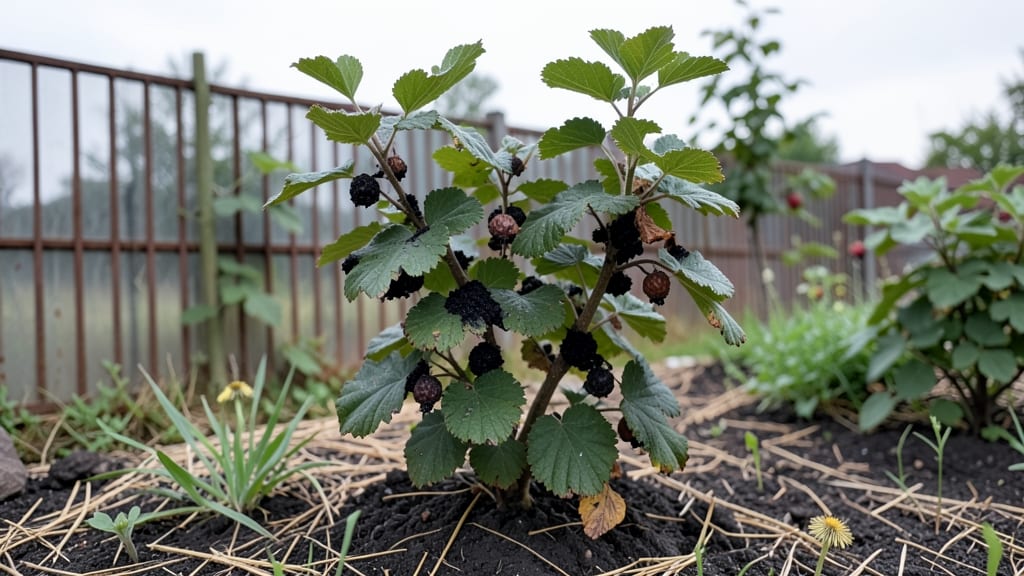
Black fungus on shrubs isn’t just unsightly—it can weaken your plants if left unchecked. 🌿 I’ve battled this myself on my hydrangeas and boxwoods, and I’ve learned which methods actually work without harming the plants.
The key is acting fast and choosing the right approach for your specific type of fungus.
Most black fungus comes from too much moisture, poor airflow, or stressed plants—think Botrytis (gray mold) or Phytophthora (root rot). You’ll spot it as black spots, fuzzy growth, or wilting branches.
The good news? Pruning infected parts, improving airflow, and using organic sprays like neem oil or copper fungicide can turn things around in just a few weeks.
Once you’ve removed the fungus, prevention is easier than you think. Water at the base—not overhead—and space shrubs so air circulates. Resistant varieties like ‘Dwarf Burford’ holly or ‘Little Lime’ boxwood can also save you future headaches. Your shrubs will bounce back stronger than ever.
This method works for almost any shrub, from foundation plants to flowering varieties. Let’s get those leaves looking healthy again without harsh chemicals.
Why it happens
Black fungus on shrubs isn’t just a random nuisance—it’s often a response to specific environmental and biological conditions. Understanding these triggers helps you address the root cause (literally!) and prevent future outbreaks. Below, we break down the most common reasons why this fungal menace takes hold on your shrubs.
Fungi thrive in damp, humid conditions, and overwatering or poorly draining soil creates the perfect breeding ground. When roots sit in soggy soil for extended periods, they weaken, making shrubs more susceptible to infections like Botrytis (gray mold) or Phytophthora (black root rot).
- Why it happens: Waterlogged soil cuts off oxygen, stressing roots and inviting fungal spores to colonize damaged tissue.
- Actionable fix:
- Test soil drainage by digging a hole—if water pools after 30 minutes, amend soil with compost or sand.
- Water deeply but infrequently (early morning is best) to encourage evaporation.
- Avoid overhead irrigation; use drip systems or soaker hoses to keep foliage dry.
When shrubs compete for sunlight, nutrients, or space, their immune systems weaken. Poor air circulation between branches traps moisture, accelerating fungal spread. Pruning wounds or physical damage (like hail or pests) also create entry points for spores.
- Why it happens: Stress signals (like ethylene gas released by crowded plants) suppress defenses, while stagnant air prevents foliage from drying quickly.
- Actionable fix:
- Prune to improve airflow—remove 1/3 of dense growth and thin out crossing branches.
- Space shrubs 3–5 feet apart (depending on maturity) to reduce humidity in the canopy.
- Mulch with organic matter (like wood chips) to retain moisture in the soil, not on leaves.
Fungi like Alternaria or Anthracnose flourish when daytime temps hover around 70–80°F (21–27°C) with high humidity (above 75%). Cool nights followed by warm, muggy days create the ideal "dew pond" effect on leaves, prolonging moisture exposure.
- Why it happens: Warmth speeds up fungal metabolism, while humidity keeps spores viable longer. Rainy seasons or indoor humidity (for potted shrubs) exacerbate the problem.
- Actionable fix:
- Monitor weather forecasts and water before evening humidity spikes.
- Use a hygrometer to track indoor humidity; aim for 40–60% for potted shrubs.
- Choose drought-tolerant shrubs (like lavender or rosemary) if your climate is persistently humid.
Too little nitrogen weakens leaves, making them vulnerable to fungal invasion, while excessive phosphorus (common in synthetic fertilizers) can promote fungal growth by altering soil pH. Imbalanced soil chemistry disrupts beneficial microbes that naturally suppress pathogens.
- Why it happens: Weakened plants lack the energy to produce antifungal compounds, and high-salt fertilizers burn roots, creating wounds.
- Actionable fix:
- Test soil pH (aim for 6.0–7.0) and amend with lime (to raise pH) or sulfur (to lower it).
- Switch to organic fertilizers (like compost tea or fish emulsion) for slow-release nutrients.
- Apply mycorrhizal fungi to soil—these beneficial microbes outcompete black fungus for resources.
Insects like aphids, mites, or scale leave behind sticky honeydew, which fosters sooty mold—a black fungal growth that smothers leaves. Mechanical damage (e.g., from lawnmowers or animals) also exposes fresh tissue to spores.
- Why it happens: Honeydew creates a sugary film that fungal spores latch onto, while wounds provide direct entry points.
- Actionable fix:
- Inspect shrubs regularly for pests; blast off aphids with water or use neem oil.
- Install physical barriers (like chicken wire) to protect young shrubs from animal damage.
- Clean up fallen leaves and debris—these harbor spores and pests.
💡 Pro Tip: If black fungus keeps returning, take a soil sample to your local extension office. Hidden issues like compacted soil or hidden pests might be the real culprits!
Fixing Black Fungus Naturally
Black fungus on shrubs might feel like a hopeless battle, but with the right approach, you can restore your plants to their healthy, vibrant selves—without harsh chemicals. The key is identifying the root cause and applying targeted, plant-safe solutions.
Below, we break down the fixes based on the most common causes, along with prevention tips to keep your shrubs thriving long-term.
If your shrubs are drowning in moisture, black fungal growth thrives in damp, suffocating conditions. Here’s how to fix it:
🔪 Step 1: Trim the Damage
- Use sterilized pruners (wipe with rubbing alcohol) to cut off blackened leaves, stems, and branches at a 45-degree angle, about ¼ inch above healthy tissue.
- Dispose of infected debris in the trash (not compost)—fungus can survive in soil.
💧 Step 2: Improve Drainage
- Raise beds or containers if water pools around roots.
- Amend soil with perlite, sand, or compost to boost aeration.
- Avoid overhead watering—use a drip irrigation system or water at the base early in the day so foliage dries quickly.
🌡️ Step 3: Let It Breathe
- Space shrubs 3–6 feet apart (depending on variety) for airflow.
- Thin dense foliage if branches are crowded.
✨ Pro Tip: Mulch with cedar chips or straw (not thick layers of wood chips) to wick away moisture while suppressing weeds.
If spores are spreading from nearby plants or tools, a preventive strike is your best defense.
🧼 Step 1: Sanitize Everything
- Wash tools with a 1:10 bleach-water solution (rinse well).
- Remove and replace mulch near infected plants (fungus can linger).
- Disinfect pots with hydrogen peroxide (3%) if repurposing them.
🛡️ Step 2: Apply Natural Fungicides
Mix one of these DIY sprays and apply in the early morning or evening (avoid direct sun):
| Solution | How to Use |
|---|---|
| Baking Soda Spray | 1 tsp baking soda + 1 quart water + a few drops of dish soap (as a sticker). Spray until wet. Reapply every 7–10 days. |
| Neem Oil Mix | 1 tbsp neem oil + 1 tsp horticultural oil + 1 quart water. Shake well before spraying. Reapply weekly until new growth appears. |
| Copper Fungicide | Use organic copper soap (follow label rates). Safe for most shrubs but avoid edible plants. |
🌿 Step 3: Boost Plant Immunity
- Fertilize lightly with compost tea or fish emulsion to strengthen roots.
- Avoid nitrogen-heavy fertilizers—they encourage soft, fungus-loving growth.
💡 Pro Tip: Prune in dry weather—wet tools or plants can spread spores faster.
If insects like aphids or scale are stressing your shrubs, they’re basically opening the door for fungus. Act fast!
🕷️ Step 1: Remove Pests
- Blast off aphids with a strong stream of water.
- Wipe scale insects off stems with a soapy sponge (1 tsp mild soap per gallon of water).
- Introduce beneficial insects like ladybugs or lacewings for long-term control.
🌿 Step 2: Strengthen the Plant
- Spray with insecticidal soap (repeat every 5–7 days).
- Apply kaolin clay (a natural barrier) to prevent future infestations.
🎯 Pro Tip: Healthy soil = happy plants. Test your soil’s pH—most shrubs prefer 6.0–7.0. Adjust with lime (to raise pH) or sulfur (to lower it) if needed.
If your area is naturally damp, prevention is your best weapon.
🌧️ Step 1: Water Wisely
- Water deeply but infrequently—aim for 1 inch per week (including rain).
- Use a moisture meter to check soil before watering.
🌬️ Step 2: Improve Air Circulation
- Install a fan on low speed near shrubs (great for container plants).
- Plant fungus-resistant varieties like boxwood, abelia, or holly if black fungus is recurrent.
🔥 Pro Tip: Morning watering gives foliage time to dry before evening humidity sets in.
✅ Inspect plants weekly for early signs of fungus (black spots, moldy stems). ✅ Rotate crops (if growing edibles nearby) to prevent soil-borne fungus buildup. ✅ Store tools in a dry place and clean them after each use. ✅ Avoid wounding plants—rough pruning or damage invites fungal entry.
With these targeted fixes, your shrubs should bounce back in 2–4 weeks. The key is acting fast, improving airflow, and keeping moisture in check.
Once the black fungus is gone, your shrubs will reward you with lush, disease-free growth—and you’ll be the hero of your garden! 🌿✨
Frequently asked questions
What are the first signs of black fungus on shrubs?
Look for black spots on leaves or stems that may appear fuzzy or moldy, especially in damp areas. You might also notice wilting branches, yellowing foliage, or a sooty, tar-like residue (common with sooty mold caused by insect honeydew). Check the undersides of leaves first—this is where fungus often starts.
Is black fungus contagious between plants?
Yes! Fungal spores spread easily through water, wind, or contaminated tools. If you notice black fungus on one shrub, inspect nearby plants immediately—especially if they’re the same variety. Always sterilize pruners with rubbing alcohol between cuts to prevent cross-contamination.
Can I still use my shrubs for landscaping after treating black fungus?
once the fungus is fully gone! Just wait until you see 2–3 weeks of new, healthy growth before replanting or using them in designs. Avoid pruning heavily during treatment, as stressed plants are more vulnerable to reinfection.
Why does black fungus keep coming back even after treatment?
Persistent fungus usually means the root cause (like poor drainage or crowded plants) isn’t fixed. Test your soil’s moisture retention, check for hidden pests, and ensure airflow isn’t blocked. If the problem lingers, try a soil drench with mycorrhizal fungi to crowd out pathogens naturally.
Are there any shrubs that naturally resist black fungus?
Yes! Varieties like boxwood, dwarf holly, and abelia are known for better resistance. For existing shrubs, consider replacing high-risk varieties (like hydrangeas in humid climates) with tougher options if fungus is a recurring issue.