
Companion Plants
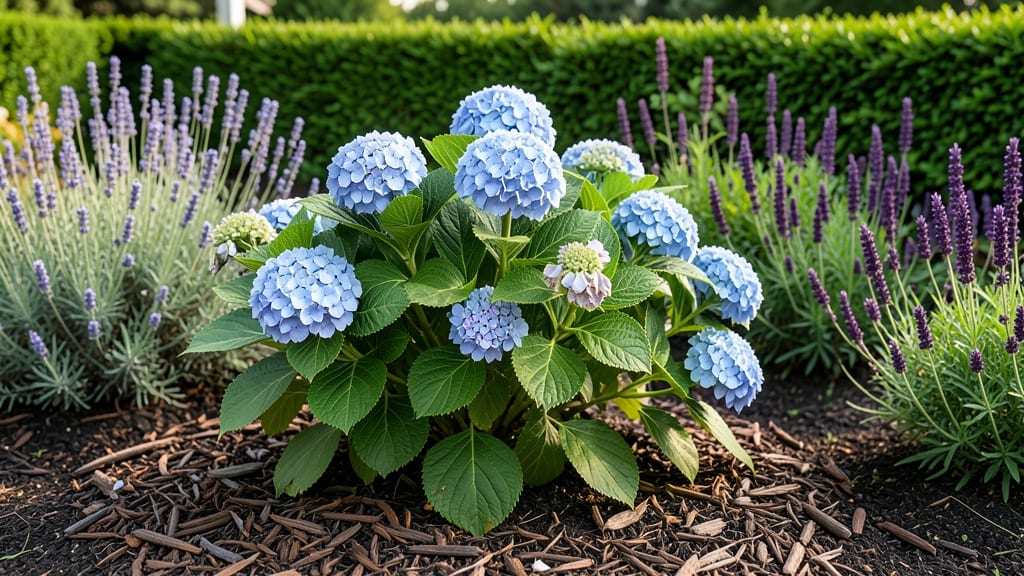
Perennial plants and shrubs create a lush, year-after-year privacy screen that never needs replanting. 🌿 I’ve designed this blueprint after years of trial and error—no more struggling with seasonal replacements or patchy coverage.
The right mix of hardy perennials and ornamental shrubs grows dense, blocks noise, and thrives with minimal effort once established.
Start with 3-5 plants per 10-foot section—this ensures quick coverage without overcrowding. My go-to combo includes evergreen shrubs like boxwood or holly for structure, plus fast-growing perennials like butterfly bush or elderberry for height and texture.
All of these handle pruning like pros, so you’ll spend less time fussing and more time enjoying your green wall.
Plant in early spring or fall when soil is workable but not soggy. Dig holes twice as wide as the root ball, amend with compost, and water deeply before backfilling. Within 2-3 years, you’ll have a solid, self-sustaining barrier that outlasts annuals by decades—and requires almost no replanting.
Here’s the secret: Prune strategically in late winter or early spring to encourage bushier growth, and mulch heavily to retain moisture. Avoid overwatering—they’re tougher than you think. This system works in zones 5-9, whether you’re lining a fence, bordering a property, or creating a cozy backyard retreat.
📚 In This Guide
- What you need
- Instructions
- Tips and common mistakes
- Wrapping up and next steps
What you need
- ● Perennial Plants & Shrubs: 5–10 Bamboo (e.g., Fargesia or Phyllostachys) – Fast-growing, clumping varieties (avoid running types!)
- ● 3–5 Boxwood (Buxus spp.) – Dwarf or semi-dwarf varieties (e.g., ‘Green Velvet’ or ‘Winter Gem’)
- ● 3–5 Holly (Ilex spp.) – Evergreen types like ‘Nellie R. Stevens’ or ‘Sky Pencil’
- ● 2–3 Oakleaf Hydrangea (Hydrangea quercifolia) – Adds seasonal color and texture
- ● 2–3 Dwarf Ninebark (Physocarpus opulifolius ‘Little Devil’) – Disease-resistant and hardy
- ● Soil Amendments: 50 lbs Compost or aged manure – Improves drainage and fertility
- ● 20 lbs Organic mulch (e.g., shredded bark or pine straw) – Retains moisture and suppresses weeds
- ● Tools: 1 Garden shovel – For digging and amending soil
- ● 1 Pruning shears – Sharp, bypass-style for clean cuts
- ● 1 Hose with adjustable nozzle – For deep watering
- ● 1 Measuring tape – To plan spacing (aim for 3–6 ft apart, depending on mature size)
- ● 1 Garden gloves – Protects hands from thorns and rough edges
- ● 1 Soil test kit – Ensures pH and nutrient levels are ideal (aim for 6.0–7.0 for most perennials)
- ● 1 Slow-release fertilizer (e.g., 10-10-10) – Boosts early growth (follow package rates!)
- ● 1 Edging tool – Creates clean lines between your screen and lawn/pathways
- ● 1 Trellis or stakes – Supports climbing varieties (if adding vines like Clematis later)
Step-by-Step instructions for designing a low-maintenance perennial privacy screen
Here's how to create a lush, long-lasting screen that thrives with minimal upkeep once established.
🌿 Step 1: Select the Right Perennial Shrubs for Your Climate
Choose 4-6 species that thrive in your USDA hardiness zone and match your site conditions. I recommend evergreen shrubs like Inkberry Holly (Ilex glabra) for shade or Dwarf Fothergilla (Fothergilla gardenii) for sun—both grow 3-5 feet tall and handle pruning well. Mix in deciduous perennials like Switchgrass (Panicum virgatum) for texture and seasonal interest.
Space plants based on their mature width: 3-6 feet apart for shrubs, 18-24 inches apart for grasses. Check each plant's sun requirements—some need full sun, others tolerate partial shade. A diverse mix ensures year-round coverage and reduces pest vulnerabilities. I always include at least one fragrant option like Dwarf Lilac (Syringa meyeri) for sensory enjoyment.
🪴 Step 2: Prepare the Planting Site for Optimal Growth
Mark your 4-foot-wide planting line with stakes, ensuring it runs parallel to your property line. Dig holes twice as wide as each root ball but no deeper—this encourages outward root growth. Amend the native soil with 2-3 inches of compost mixed into the bottom of each hole to improve drainage and fertility.
For heavy clay soil, I add a 1-inch layer of coarse sand to the hole bottom before backfilling. Water each hole deeply before planting to settle the soil. If your site has poor drainage, consider raised beds or mounds—root rot is the silent killer of perennial screens. Test soil pH and adjust if needed (most shrubs prefer 6.0-7.0).
☀️ Step 3: Plant and Stagger for Immediate Visual Impact
Remove plants from containers and loosen roots if pot-bound. Place each shrub so the top of the root ball sits 1 inch below soil grade—this prevents stem rot. Backfill with native soil mixed with compost, tamping gently to eliminate air pockets. Water immediately to settle roots and remove the planting tray.
Stagger plant sizes for instant height variation: tallest in back, medium in middle, smallest in front. Mulch with 3 inches of shredded bark, keeping it 6 inches away from stems to prevent rot. Water deeply twice weekly for the first month, then taper to once weekly once established. This staggered planting creates a fuller screen faster than single-row installations.
✂️ Step 4: Prune Strategically for Shape and Health
Prune newly planted shrubs lightly in early spring to remove dead wood and shape. For evergreens, cut back overgrown branches to 1/3 of their length using clean, sharp shears. For deciduous perennials, wait until late winter before new growth appears—this prevents cutting off next year's blooms.
I avoid heavy pruning the first year; instead, I shape gradually over 2-3 seasons. For grasses, I cut back dead foliage in early spring before new shoots emerge. This layered pruning approach maintains density while preventing stress. Fertilize lightly in early spring with a slow-release, balanced formula (10-10-10) to encourage steady growth without excessive soft new growth.
💧 Step 5: Maintain for Long-Term Privacy and Minimal Effort
After the first year, your screen should need only seasonal care. In early spring, remove last year's dead foliage from perennials and lightly shape shrubs. Water deeply but infrequently—1-2 inches per week—to encourage deep root growth. Most perennials establish well by year 3, requiring no summer watering in average rainfall zones.
Monitor for pests like spider mites (common on evergreens) and treat with neem oil if needed. I add native wildflowers around the base in year 2 to attract pollinators and suppress weeds naturally. With this approach, your screen will reach full maturity in 3-5 years and require almost no maintenance afterward. The key is diversity and patience—no single plant does it all, but together they create an impenetrable, beautiful barrier.
Tips & tricks for designing a low-maintenance perennial privacy screen
Here's what I've learned from years of trial and error—these details make all the difference between a screen that thrives and one that fades away.
Plant Diversity is Non-Negotiable: In Step 1, when selecting your 4-6 species, prioritize plants with staggered bloom times and varying textures. For example, pair the evergreen Inkberry Holly with the seasonal Dwarf Fothergilla and the ornamental grass Switchgrass. This creates visual interest year-round and reduces the risk of pest outbreaks since no single species dominates. I once planted a uniform row of just boxwoods—by year 3, spider mites had decimated them. The lesson? Diversity equals resilience.
Soil Preparation Can't Be Overlooked: The 2-3 inches of compost in Step 2 isn't just about fertility—it's about creating the perfect structural environment for roots. I've seen screens fail spectacularly when planted in unamended native soil, especially in heavy clay. For clay-heavy sites, mix in that 1-inch layer of coarse sand at the bottom of each hole, then top with a 1-inch layer of perlite or vermiculite. This creates a wicking effect that prevents waterlogging while still holding moisture for roots. Think of it as building a root-friendly foundation.
Staggered Planting Creates Instant Impact: The staggered arrangement in Step 3 isn't just aesthetic—it's a strategic move that accelerates fullness. Place your tallest shrubs at the back, but don't just line them up straight. Instead, create a staggered pattern where each plant's mature width overlaps slightly with its neighbors. This creates a dense screen from day one rather than waiting for years for plants to fill out. I've seen screens that took 5 years to mature because they were planted in a single straight line—this technique cuts that time in half.
Pruning Strategy Prevents Long-Term Stress: When pruning in Step 4, remember that evergreens and deciduous perennials have completely different needs. For evergreens, never remove more than 1/3 of any branch in a single year—this maintains their natural shape and prevents sunburn. For grasses like Switchgrass, cut back the dead foliage in early spring, but leave the seed heads if you want winter interest. The key is to prune when you see new growth emerging, never when plants are dormant. I learned this the hard way when I pruned my Dwarf Fothergilla too early and lost all its spring blooms.
Pro Tips for Perennial Plants And Shrubs
- Here's what I've learned from years of trial and error—these details make all the difference between a screen that thrives and one that fades away.
- Plant Diversity is Non-Negotiable: In Step 1, when selecting your 4-6 species, prioritize plants with staggered bloom times and varying textures.
- Soil Preparation Can't Be Overlooked: The 2-3 inches of compost in Step 2 isn't just about fertility—it's about creating the perfect structural environment for roots.
Frequently asked questions
Got questions about creating a lush, low-maintenance privacy screen with perennials and shrubs? You’re not alone! Here are answers to the most common queries to help you get started with confidence.
What’s the best time of year to plant perennials and shrubs for a privacy screen?
The ideal window is early spring or early fall—when temperatures are mild, and plants can establish roots before extreme heat or cold. Avoid planting during summer heatwaves or winter freezes, as stress can hinder growth. Pro tip: If you’re in a warm climate, late fall planting can also work!
How much water do perennials and shrubs need to thrive as a privacy screen?
Newly planted shrubs and perennials need 1–1.5 inches of water per week (including rainfall) for the first year. Once established, most perennials are drought-tolerant, but shrubs like boxwoods or arborvitae may need consistent moisture. Water deeply but infrequently to encourage strong root systems—shallow watering promotes weak growth.
Do I need to prune my privacy screen shrubs, and when?
Yes! Pruning keeps your screen dense and healthy. Lightly trim in early spring to shape new growth, and do a cleanup prune in late winter (before buds swell) to remove dead or overgrown branches. Avoid heavy pruning in fall—it can stimulate tender new growth that won’t survive winter. Evergreens like holly or juniper need minimal pruning unless they get leggy.
What pests or diseases should I watch for in perennial shrubs?
Common issues include aphids, spider mites, and powdery mildew (especially in humid climates). Prevent pests with healthy soil, proper spacing, and regular watering. If problems arise, use neem oil or insecticidal soap for mild infestations. Japanese beetles love roses and viburnums—handpick them early in the day! Fungal diseases often appear after wet weather; improve airflow by pruning and avoid overhead watering.
Can I mix perennials and shrubs for a privacy screen, or should I stick to one type?
Absolutely mix them! Shrubs (like hydrangeas or butterfly bush) provide structure, while perennials (e.g., coneflowers or black-eyed Susans) add color and texture. Place taller shrubs at the back and shorter perennials in front for a layered look. Just ensure your perennials won’t outcompete shrubs for sunlight or water—choose drought-tolerant varieties if needed!
Wrapping up and next steps
Perennial plants and shrubs offer the perfect blend of beauty, durability, and ease—ideal for creating a lush, low-maintenance privacy screen that thrives year after year. 🌿 From hardy evergreens to vibrant flowering perennials, these plants deliver privacy, color, and wildlife support with minimal effort.
Whether you're a seasoned gardener or just starting, the right mix of species can transform your space into a serene, self-sustaining oasis.
Ready to take the next step? Start by sketching your design, selecting your top 3-5 plants, and ordering supplies. With a little planning, your dream privacy screen will flourish—and you’ll enjoy the rewards for decades to come! 🌱